




How Zobo Drink Fights Free Radicals and Slows Aging
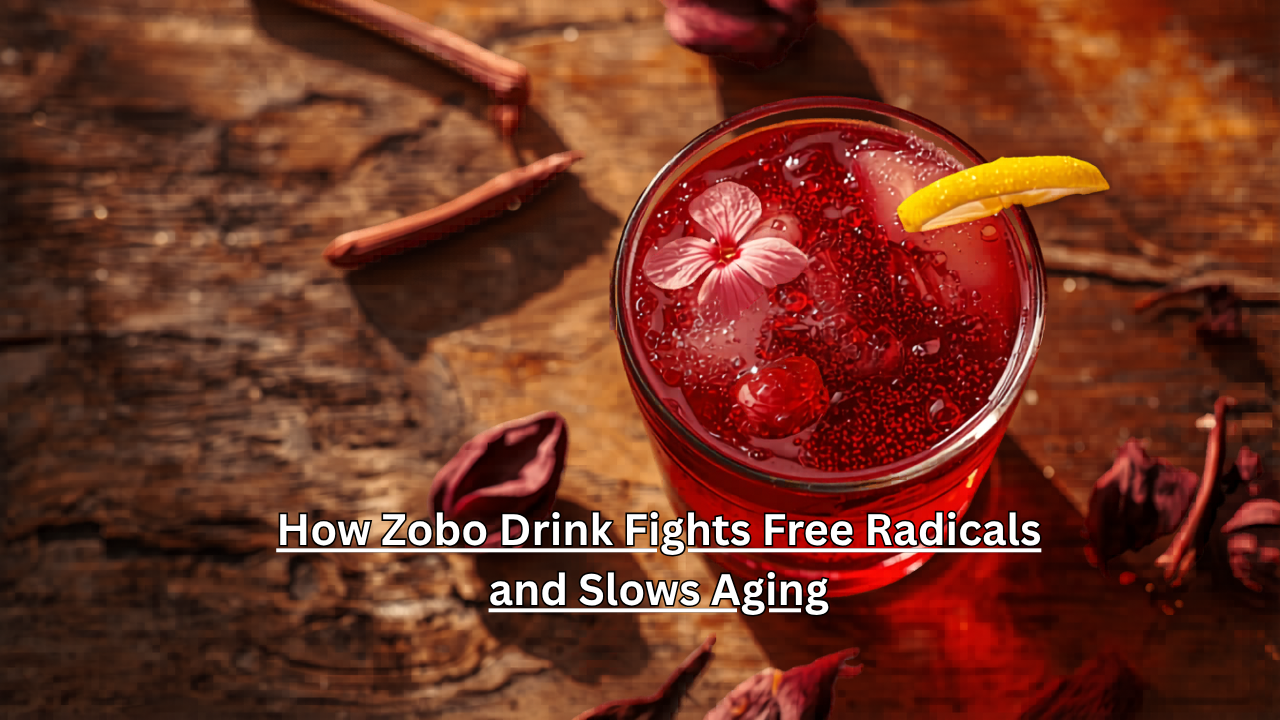


You’ve probably seen it before: a deep, ruby-red liquid poured over ice, sweetened just enough to balance its tart bite, and shared at family gatherings, street stalls, and wellness cafes across West Africa, the Caribbean, and Latin America.
Known as zobo in Nigeria, bissap in Senegal, sorrel in Jamaica, and agua de jamaica in Mexico, this beloved beverage is made from the dried calyces of Hibiscus sabdariffa.
But beneath its vibrant color and cultural charm lies something far more powerful than refreshment. Zobo is a scientifically recognized antioxidant powerhouse, quietly working at the cellular level to neutralize free radicals, reduce oxidative stress, and help slow the biological clock.
What Exactly Is Zobo (and Why Is It So Red?)
Zobo isn’t brewed from hibiscus flowers. It’s steeped from the plant’s fleshy, cup-like calyces—the protective structures that remain after the petals fall.
When dried and brewed, these calyces release a cocktail of water-soluble pigments, phenolic acids, and polyphenols that give zobo its signature crimson hue.
That color? It’s your first clue to its antioxidant potential.
The red-to-purple spectrum comes primarily from anthocyanins, plant compounds that evolved to protect Hibiscus sabdariffa from UV radiation, pests, and environmental stress.
Dried hibiscus calyces contain roughly 1.5% to 2.5% anthocyanins by dry weight, placing them among the richest dietary sources alongside blueberries, blackberries, and purple corn.
But unlike many fruits, hibiscus delivers these compounds in a highly bioavailable, water-soluble form that your body can absorb quickly.
Meet the Antioxidants: Anthocyanins & Flavonoids
While anthocyanins steal the spotlight, they don’t work alone. Zobo’s antioxidant matrix includes several flavonoids and phenolic acids that synergize to protect your cells:
- Delphinidin-3-sambubioside and cyanidin-3-sambubioside: The dominant anthocyanins in hibiscus, known for their strong electron-donating capacity.
- Quercetin: A well-researched flavonoid that modulates inflammation and supports mitochondrial health.
- Hibiscetin and gossypetin: Hibiscus-specific flavonoids with demonstrated free radical-scavenging activity.
- Protocatechuic acid and chlorogenic acid: Phenolic compounds that enhance cellular detoxification pathways.
In controlled laboratory assays, hibiscus extracts consistently demonstrate antioxidant capacity that rivals or exceeds green tea and many berry varieties.
More importantly, human trials show these compounds survive digestion, enter the bloodstream, and reach tissues where oxidative damage tends to accumulate.
Free Radicals vs. Cellular Defenders: The Science Simplified
To understand why zobo matters, you first need to meet the invisible culprits of aging: free radicals.
These are unstable molecules with unpaired electrons, produced naturally during metabolism, but amplified by stress, pollution, UV exposure, poor sleep, and processed diets.
Left unchecked, they steal electrons from healthy cells in a chain reaction called oxidative stress.
Oxidative stress damages DNA, fragments proteins, and peroxidizes cell membranes. Over time, this wear-and-tear manifests as fine lines, reduced organ resilience, cognitive fog, and chronic low-grade inflammation—the hallmarks of biological aging.
Antioxidants like those in zobo act as cellular peacemakers. They willingly donate electrons to free radicals, neutralizing them without becoming unstable themselves.
Think of free radicals as sparks in a dry forest. Anthocyanins and flavonoids are the firebreaks that contain the blaze before it spreads.
Research published in Oxidative Medicine and Cellular Longevity notes that hibiscus polyphenols can reduce lipid peroxidation markers by 30–50% in human intervention studies, directly reflecting lowered cellular damage.
How Zobo Slows the Clock: Anti-Aging Benefits Backed by Research
Aging isn’t just about calendar years; it’s about cumulative cellular stress. Zobo intervenes at multiple checkpoints:
Skin & Collagen Protection: UV radiation and oxidative stress break down collagen and elastin. Hibiscus anthocyanins have been shown to inhibit matrix metalloproteinases (MMPs), enzymes that degrade skin structure.
A 2022 dermatological pilot study found that participants drinking hibiscus tea daily for 12 weeks experienced improved skin elasticity and reduced transepidermal water loss.
DNA & Telomere Support: While no beverage can stop telomere shortening entirely, reducing oxidative DNA damage slows the rate.
Flavonoids in hibiscus upregulate endogenous antioxidant enzymes like superoxide dismutase (SOD) and glutathione peroxidase, your body’s built-in defense system.
Inflammation Modulation: Chronic, low-grade inflammation (“inflammaging”) accelerates tissue degeneration.
Hibiscus polyphenols downregulate NF-κB, a master switch for inflammatory cytokines, helping maintain cellular homeostasis.
In short, zobo doesn’t promise immortality. It offers something more practical: a daily habit that helps your cells age gracefully.
Beyond the Glass: Heart, Brain & Gut Health
The anti-aging ripple effect of zobo extends well beyond skin-deep benefits:
Cardiovascular Resilience:
Oxidized LDL cholesterol is a primary driver of arterial plaque. Hibiscus antioxidants reduce LDL oxidation and improve endothelial function.
Multiple meta-analyses (including a 2023 review in Phytomedicine) confirm that 1–3 cups of hibiscus tea daily can lower systolic blood pressure by 7–10 mmHg in mildly hypertensive adults.
Neuroprotection:
Flavonoids cross the blood-brain barrier and enhance cerebral blood flow. Animal and early human studies link hibiscus polyphenols to improved memory retention and reduced neuroinflammation, potentially delaying age-related cognitive decline.
Gut Microbiome Harmony:
Only about 5–10% of hibiscus polyphenols are absorbed in the small intestine. The rest reach the colon, where gut bacteria ferment them into bioactive metabolites like urolithins and phenolic acids.
These compounds nourish beneficial microbes and strengthen the intestinal barrier, linking zobo to improved nutrient absorption and immune regulation.
How to Brew, Enjoy & Maximize the Benefits
Science meets tradition in your kitchen. To preserve zobo’s delicate antioxidants:
- Use warm, not boiling water. Steep dried calyces in water heated to 185–195°F (85–90°C) for 10–15 minutes. Boiling degrades heat-sensitive anthocyanins and can extract bitter tannins.
- Cold-brew for maximum pigment retention. Soak calyces in room-temperature water for 6–8 hours. You’ll get a lighter, more floral infusion with higher intact anthocyanin levels.
- Pair with vitamin C. A squeeze of lemon or a slice of ginger boosts polyphenol absorption and stabilizes color.
- Skip the refined sugar. Sweeten lightly with raw honey, dates, or a pinch of stevia. Excess sugar triggers glycation, which directly counteracts zobo’s anti-aging effects.
- Store properly. Keep brewed zobo refrigerated and consume within 3 days. Anthocyanins degrade with prolonged exposure to light and oxygen.
A Note on Balance & Who Should Be Cautious
Zobo is food, not medicine, and it shines when consumed as part of a varied, nutrient-dense diet. That said, a few evidence-based precautions are worth noting:
- Blood pressure medications: Due to its mild hypotensive effect, zobo may amplify the action of antihypertensives or diuretics. Monitor your levels and consult your provider.
- Pregnancy & fertility: High doses of hibiscus have emmenagogue properties in traditional use. Pregnant individuals or those undergoing fertility treatments should limit intake or seek medical guidance.
- Drug metabolism: Hibiscus may mildly inhibit CYP2C9 and CYP3A4 enzymes, potentially altering how certain medications (like acetaminophen or statins) are processed. Space consumption from prescription doses by 2–3 hours if concerned.
For most healthy adults, 1–3 cups (240–720 ml) daily aligns with clinical research and delivers meaningful antioxidant exposure without risk.
The Bottom Line: Sip With Intention
Zobo has survived centuries not just because it tastes good, but because it works. Modern science is finally catching up to what generations of herbalists, grandmothers, and traditional healers already knew: the dried calyces of Hibiscus sabdariffa are a potent, accessible shield against the daily barrage of oxidative stress.
Its anthocyanins and flavonoids don’t just color your cup—they protect your DNA, preserve your collagen, calm inflammation, and support the organs that keep you thriving as you age.
Aging isn’t about stopping time. It’s about giving your cells the tools to repair, adapt, and flourish. So the next time you pour that ruby-red glass, take a moment before the first sip. You’re not just quenching thirst. You’re handing your cells a standing ovation.