
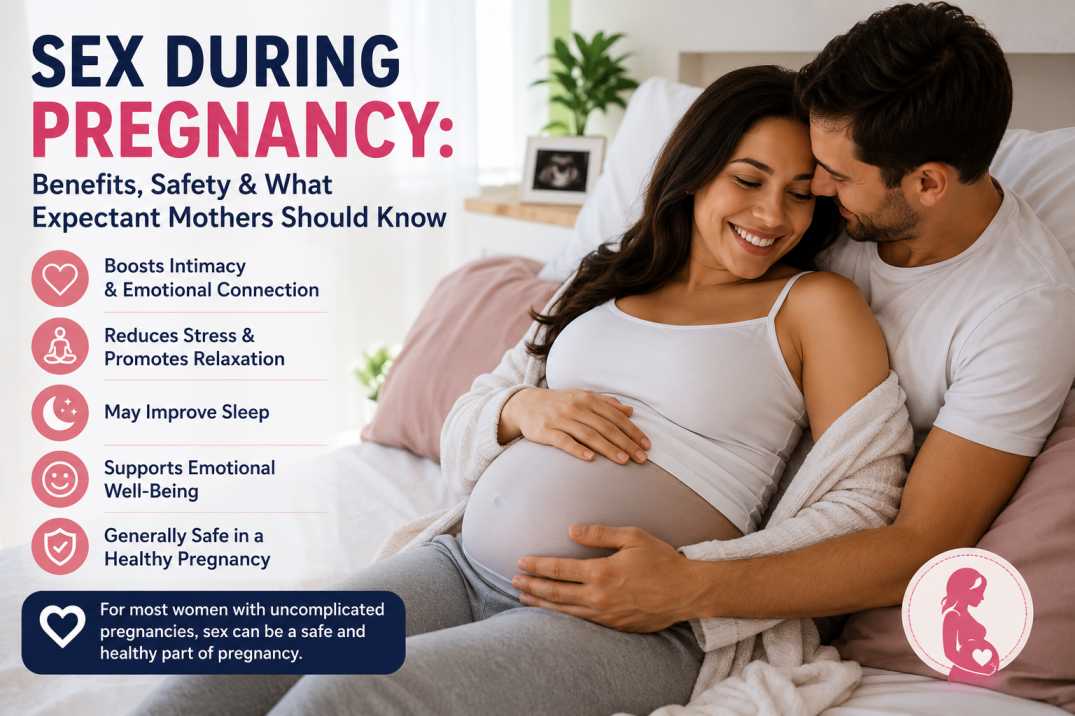
What Happens to a Woman’s Body When She Stops Having Sex for a Long Time?
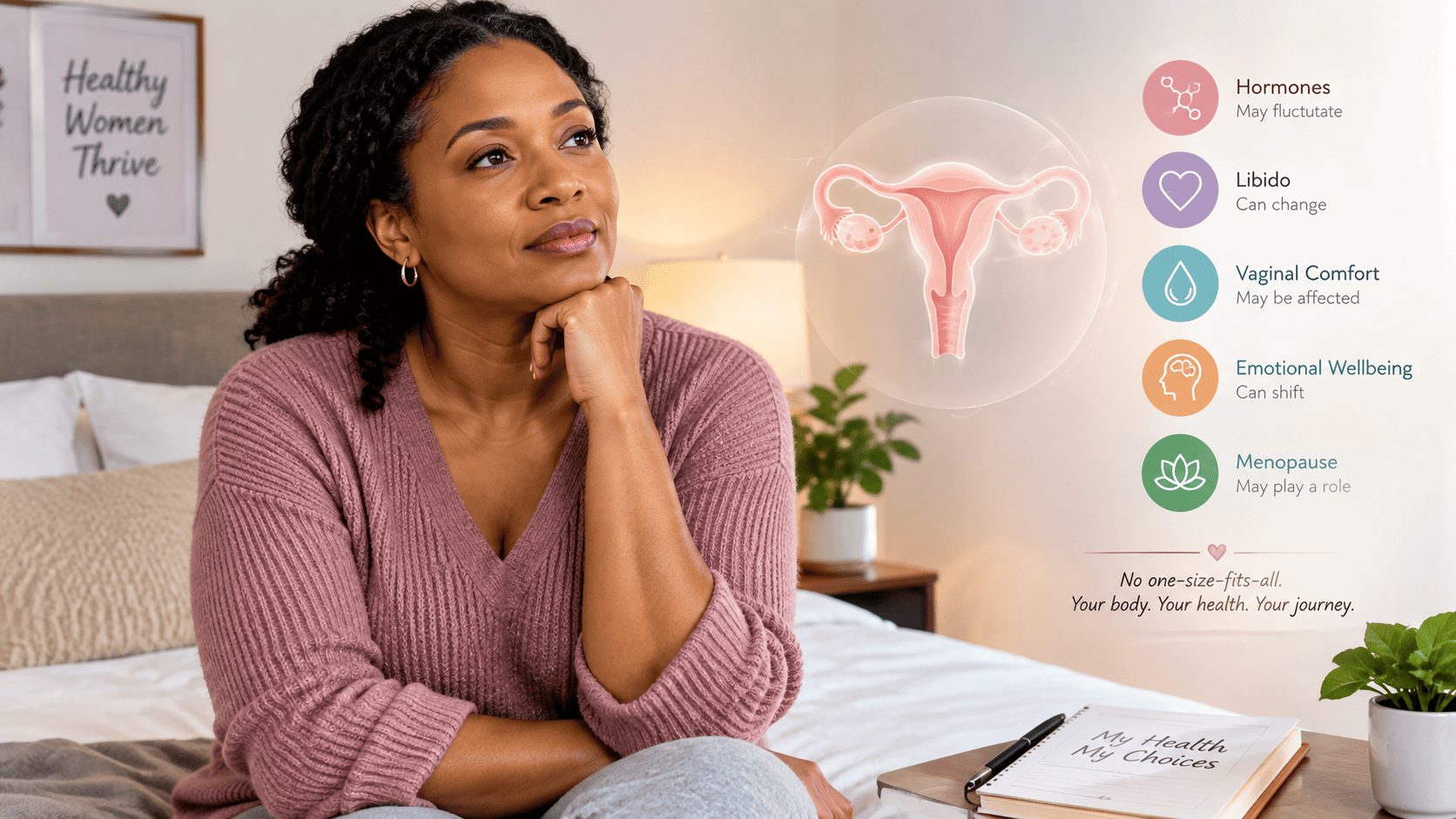
There is a lot of misinformation about what happens when a woman stops having sex. Some people say the vagina becomes “tight”; others claim that the body “needs sex” to remain healthy, while some believe that losing sexual activity permanently changes a woman’s hormones or reproductive system.
For many women, going without sex for months or even years causes no harmful physical change at all. A woman does not become unhealthy simply because she is not sexually active.
Her menstrual cycle does not stop because she is not having sex, and her reproductive organs do not shut down because she is single or abstinent.
However, sexual activity is connected to several aspects of physical and emotional wellbeing. If sexual inactivity occurs alongside hormonal changes, menopause, stress, relationship difficulties, illness, medication use, or other health conditions, a woman may notice changes in her sexual desire, arousal, vaginal comfort, or emotional well-being.
So, what actually happens to the body when a woman stops having sex for a long time?
1. Your Body Does Not Suddenly “Need” Sex
One of the biggest misconceptions is that a woman’s body becomes unhealthy simply because she stops having sex.
Women can live healthy, fulfilling lives without sexual intercourse. There is no medically established timetable saying that a woman must have sex every week, every month or even every year to maintain her general health.
Sexual health is more than intercourse. It includes physical, emotional, and psychological well-being, as well as the ability to experience intimacy and sexuality in ways that are comfortable and satisfying for the individual.
Sexual desire also varies considerably from one woman to another and can change throughout life.
A woman may choose abstinence because she is single, recovering from childbirth, focusing on other priorities, grieving a relationship, observing personal or religious values, or simply because she does not currently desire sexual activity.
None of these things means something is wrong with her body.
2. Your Sexual Desire May Change
One of the things some women notice during a prolonged period without sex is a change in sexual desire. But this does not mean that the body becomes permanently incapable of wanting sex.
Sexual desire is influenced by a complicated combination of factors, including hormones, stress, mental health, medications, physical health, relationships, body image, life circumstances, and personal experiences.
For some women, not having sex for a long period may mean that sex becomes less prominent in their thoughts and daily lives.
For others, desire may remain the same. Some women may even experience an increase in sexual desire during a period of abstinence.
There is no universal female response. This is important because women sometimes worry: “I haven’t had sex in two years. Has something happened to me?”
A change in libido deserves attention when the change bothers you, affects your quality of life or occurs alongside other symptoms. It does not automatically mean that your body has stopped functioning normally.
3. You May Notice More Difficulty Becoming Aroused When You Eventually Have Sex Again
After a long period without sexual activity, some women may find that becoming sexually aroused feels different when they eventually resume sexual activity.
This can involve taking longer to become aroused, producing less lubrication, or feeling less immediately responsive. But abstinence is not necessarily the sole cause.
Hormonal changes, stress, anxiety, medications, relationship factors and medical conditions can all affect sexual arousal.
Lower estrogen, particularly around and after menopause, can reduce blood flow to genital tissues and contribute to changes in sensitivity and arousal. In other words, timing matters.
A 25-year-old woman who stops having sex for two years may have a completely different experience from a 55-year-old woman who stops having sex during menopause.
4. Vaginal Lubrication Can Change
One of the most noticeable changes some women experience when they resume sex after a long period is vaginal dryness. This requires some clarification.
Not having sex does not automatically cause vaginal dryness.
The most important hormonal influence on vaginal moisture is estrogen. Estrogen levels can fall during perimenopause and menopause, as well as during breastfeeding and in certain other medical circumstances. Some medications and health conditions can also contribute to dryness.
When estrogen levels decline, vaginal tissues can become thinner and less elastic, and vaginal lubrication can decrease.
That is why a woman who has not had sex for several years and is also going through menopause may experience significant dryness when she resumes sexual activity.
It may be tempting to blame the lack of sex. But the underlying issue may actually be hormonal changes.
5. The Vagina Does Not Become Permanently “Closed”
Some people believe that if a woman does not have sex for a long time, her vagina will somehow close up.
The vagina is a muscular canal, and its tissues naturally change throughout life. Hormonal changes—particularly the reduction in estrogen associated with menopause—can cause the vaginal tissues to become thinner, drier and less elastic.
In some women with genitourinary syndrome of menopause (GSM), the vaginal canal can also become shorter or tighter.
But this is not the same thing as the vagina “closing” because a woman hasn’t had sex. Age, hormones, and overall health are important considerations.
6. Resuming Sex May Initially Feel Uncomfortable
For some women, returning to sexual intercourse after a long period can feel uncomfortable.
There are several possible reasons. Vaginal dryness can make penetration painful. Pelvic-floor muscles can also become tense, and anxiety about pain can cause a woman to unconsciously tighten these muscles further.
This can create a cycle: fear of pain → muscle tension → discomfort → more fear of pain.
Pain during sex is medically known as dyspareunia, and it should not simply be accepted as something a woman has to endure.
Mayo Clinic notes that vaginal dryness, pelvic-floor muscle tension, and hormonal changes can all contribute to painful sex.
If sex becomes painful, there is a reason to talk to a healthcare professional rather than simply forcing yourself through the discomfort.
7. Sexual Activity Can Increase Blood Flow to the Genital Area
Sexual arousal produces physiological changes in the body.
Blood flow to the genital tissues increases, the vaginal tissues become lubricated, and the pelvic floor participates in the sexual response.
This is one reason sexual activity—including masturbation—may help maintain vaginal tissue health, particularly for some women experiencing genitourinary syndrome of menopause.
Mayo Clinic notes that sexual activity or masturbation can increase blood flow and help keep vaginal tissues healthy.
However, this should not be misunderstood as meaning that every woman must have intercourse to protect her vagina.
Sexual activity is only one factor affecting vaginal health.
8. Your Menstrual Cycle Does Not Stop Because You Stop Having Sex
Not having sex does not cause menstruation to stop.
A woman’s menstrual cycle is primarily regulated by hormonal processes involving the brain, ovaries and reproductive system—not by whether she is sexually active.
If a woman stops having periods, other explanations should be considered, including pregnancy, perimenopause or menopause, breastfeeding, significant weight changes, intense exercise, certain medications, hormonal conditions and other medical issues.
So if your period disappears after you stop having sex, don’t assume the two are automatically connected.
9. Your Fertility Does Not Disappear Because You Are Not Having Sex
Going without sex does not make a woman infertile. A woman’s fertility is primarily influenced by factors such as age, ovulation, ovarian reserve, reproductive health, and other medical factors.
In fact, abstinence temporarily removes the possibility of becoming pregnant through intercourse—but it does not reduce the body’s ability to conceive because you haven’t had sex.
10. Your Risk of Sexually Transmitted Infections Can Decrease
There is also a very practical consequence of not having sexual intercourse.
If a woman is not engaging in sexual activity, she is not being exposed to new sexually transmitted infections (STIs).
Sexual activity can transmit infections including chlamydia, gonorrhoea, syphilis, genital herpes and HPV.
However, the risk depends on the type of sexual intimacy. A previous infection can remain in the body even during a period of abstinence.
When sexual activity resumes, appropriate protection and testing may again become important depending on the circumstances. Use of condoms can reduce the risk of many STIs.
11. Your Emotional Experience May Change
Sex isn’t only a physical activity. For many people, sexual intimacy is connected to affection, closeness, reassurance, companionship, and emotional connection.
When that disappears from a woman’s life, she may miss more than intercourse. She may miss:
- physical affection;
- cuddling;
- emotional closeness;
- feeling desired;
- companionship;
- intimacy with a partner; or
- the confidence that comes from feeling connected to someone.
But again, this depends on the individual. Some women feel lonely without sexual intimacy. Others feel completely content. Some experience relief after leaving an unhealthy relationship.
There is no single emotional response to sexual abstinence. Stress, anxiety, depression, relationship difficulties and body-image concerns can all influence sexual desire and satisfaction.
12. You May Become More Aware of What You Actually Want
There can also be a psychological benefit to taking a break from sexual activity.
Without the expectations of a partner or relationship, some women use the time to reflect on their boundaries, preferences, and emotional needs.
They may begin by asking important questions:
What do I actually want from intimacy? What makes me feel safe? What kind of relationship do I want? What are my boundaries? Am I seeking sex because I genuinely desire it—or because I feel pressured to provide it?
Sexual well-being isn’t only about frequency. It’s also about choice, consent, comfort, safety, and satisfaction.
13. What About the Claim That “The Longer You Go Without Sex, the Tighter You Become”?
There is no simple rule that says abstinence automatically makes a woman’s vagina tighter.
The vagina is an elastic, muscular structure. Its condition can be affected by hormones, pelvic-floor muscle activity, childbirth, aging and other factors.
In postmenopausal women, reduced estrogen can cause the vaginal tissues to become less elastic and can contribute to narrowing or shortening of the vaginal canal.
At the same time, pelvic-floor muscle tension can make penetration feel tight or painful.
So “tightness” is not a straightforward measure of sexual activity.
And a woman’s sexual history cannot reliably be determined by how her vagina looks or feels.
14. What Happens During Menopause Is Different
A woman who stops having sex during her 30s may experience little or no physical effect from the absence of sexual activity.
But a woman who stops having sex during perimenopause or after menopause may experience changes related to declining estrogen. These can include:
- vaginal dryness;
- reduced vaginal elasticity;
- discomfort during penetration;
- burning or irritation;
- reduced genital sensation;
- urinary symptoms; and
- increased susceptibility to some vaginal or urinary problems.
These symptoms are associated with genitourinary syndrome of menopause (GSM), which is caused by hormonal changes rather than simply by a lack of sex.
The good news is that these symptoms can often be treated.
Women do not simply have to “put up with” painful sex because they are getting older.
15. The Body Can Adjust When Sexual Activity Resumes
If a woman decides to become sexually active again after a long break, she does not need to rush. The body may need time to become comfortable again.
Adequate arousal, communication, relaxation and lubrication can make a significant difference.
For women experiencing vaginal dryness, vaginal moisturizers and lubricants may help. Depending on the cause, healthcare professionals may also recommend medical treatments, including hormone-based treatments in appropriate cases.
So, Is It Unhealthy for a Woman to Go Without Sex for a Long Time?
A woman does not become physically unhealthy simply because she hasn’t had sex for a long time. She does not automatically lose her fertility. Her vagina does not permanently close.
Her body does not become “full of toxins.” Her hormones do not stop working. And she does not need to have sex simply because someone tells her that her body requires it.
At the same time, sexual activity can have physical and emotional benefits, and some women may experience changes in desire, arousal or vaginal comfort when sexual activity stops—particularly when other factors such as menopause, stress, medications or health conditions are involved.
The important question isn’t: “How long has it been since you had sex?” A better question is:
“How do you feel about your sexual health, and are there any changes or symptoms that are of concern to you?”
When Should You Talk to a Doctor?
A change in sexual activity isn’t necessarily a reason to see a doctor. But certain symptoms deserve professional attention.
Consider speaking with a healthcare professional if you experience:
- persistent pain during sex;
- unexplained vaginal bleeding, particularly after menopause;
- persistent vaginal dryness or burning;
- unusual vaginal discharge or odor;
- genital sores or lesions;
- significant changes in sexual desire that concern you;
- urinary burning, urgency or recurrent urinary problems;
- symptoms that are affecting your relationship or quality of life.
These symptoms can have many possible causes, and proper evaluation can help identify the underlying issue.
Conclusion
Going without sex for a long time does not automatically harm a woman’s body. For some women, nothing significant changes.
For others, sexual desire may change. Resuming sex may initially feel different. Vaginal dryness or discomfort may occur, particularly when hormonal changes such as perimenopause or menopause are involved.
But the biggest lesson is this: A woman’s health should never be measured by how frequently she has sex.
Sex can be an enjoyable and meaningful part of physical and emotional well-being, but it is not a compulsory prescription for being healthy.
What matters is understanding your body, paying attention to changes, respecting your boundaries and seeking appropriate medical advice when something doesn’t feel right.
Your body does not stop being healthy because you stopped having sex.
And your sexual well-being is about far more than how often you have intercourse.
It is about comfort, choice, consent, connection, confidence, and being able to understand and care for your body at every stage of life.
Disclaimer
This article is intended for general educational purposes and should not replace individual medical advice. Persistent pain, unusual bleeding, vaginal symptoms or significant changes in sexual health should be discussed with a qualified healthcare professional.