Sex After Pregnancy: When Is It Safe to Resume?


After months of pregnancy and the physical demands of childbirth, many new mothers wonder when it is safe to have sex again. The answer is more nuanced than simply counting the weeks after delivery.
There is no universal date when every woman is medically ready to resume sexual intercourse. Recovery varies depending on the type of delivery, whether there were tears or other complications, healing of any surgical incision, postpartum bleeding, pain, breastfeeding, hormonal changes, and—equally important—the mother’s emotional readiness.
Many obstetricians traditionally recommend waiting about six weeks after childbirth, and this timing often coincides with a postpartum assessment. However, six weeks should not be viewed as an automatic “all-clear.” A woman may be physically ready earlier, while another may need considerably more time.
When Is It Safe to Have Sex After Giving Birth?
For most women, vaginal intercourse should be postponed until the body has had enough time to heal and there is no significant pain, heavy bleeding, or untreated complication.
The Mayo Clinic notes that there is no mandatory waiting period for everyone, but recommends considering a postpartum medical assessment before resuming sex. This applies after both vaginal birth and cesarean delivery.
The NHS similarly states that there are no fixed rules about when to restart sex after childbirth. The key considerations are whether the woman feels ready and whether she has recovered sufficiently.
Why Waiting May Be Important
Childbirth can leave the body temporarily sore and vulnerable while tissues heal. After vaginal delivery, the perineum—the area between the vagina and anus—may have swelling, bruising, tears, or an episiotomy wound.
After a cesarean birth, the abdominal incision requires healing, and the mother may continue to experience discomfort for several weeks.
Postpartum bleeding, known as lochia, is also common. It can continue for several weeks and usually decreases gradually.
Having intercourse too soon, particularly when there is significant pain or incompletely healed tissue, can be uncomfortable and may interfere with recovery.
Is Sex After a Vaginal Birth Different From Sex After a C-Section?
Yes, recovery can be different, although there is no single timetable for either type of delivery.
Women who have vaginal births may experience:
- Perineal soreness
- Vaginal or perineal tears
- Episiotomy-related discomfort
- Pelvic-floor changes
- Vaginal dryness
- Pain during penetration
Women recovering from cesarean birth may experience abdominal or incision pain and may need to find positions that do not place pressure on the healing area.
A cesarean birth does not necessarily mean that vaginal intercourse is safe sooner simply because the vagina was not used for delivery. The entire body is recovering from pregnancy and major abdominal surgery.
What If Sex Hurts?
Pain during sex after childbirth is relatively common, but persistent pain should not simply be accepted as something every new mother must endure.
Hormonal changes after delivery can cause vaginal dryness. This can be particularly noticeable during breastfeeding because hormonal changes may reduce vaginal lubrication. Tears, scar tissue, pelvic floor problems, and healing tissues can also contribute to discomfort.
Several approaches may help:
Take It Slowly
There is no need to rush. Begin with affection, kissing, touching, massage, or other forms of intimacy before attempting penetration.
Use Lubricant
A water-based or silicone-based lubricant can reduce friction and make penetration more comfortable. ACOG specifically recommends lubricants as one option for reducing discomfort associated with vaginal dryness and painful sex.
Communicate
Tell your partner what feels comfortable and what hurts. Pain is a reason to stop, not something to be endured.
Try Different Positions
Positions that allow the woman to control depth and movement may be more comfortable during recovery. If a particular position causes pain, choose another.
Seek Medical Help if Pain Persists
Ongoing pain can sometimes be related to pelvic-floor dysfunction, scar tissue, vaginal dryness, infection, or another treatable condition. Healthcare professionals can evaluate the cause and recommend appropriate treatment, including pelvic-floor physical therapy when indicated.
What Happens to Sexual Desire After Pregnancy?
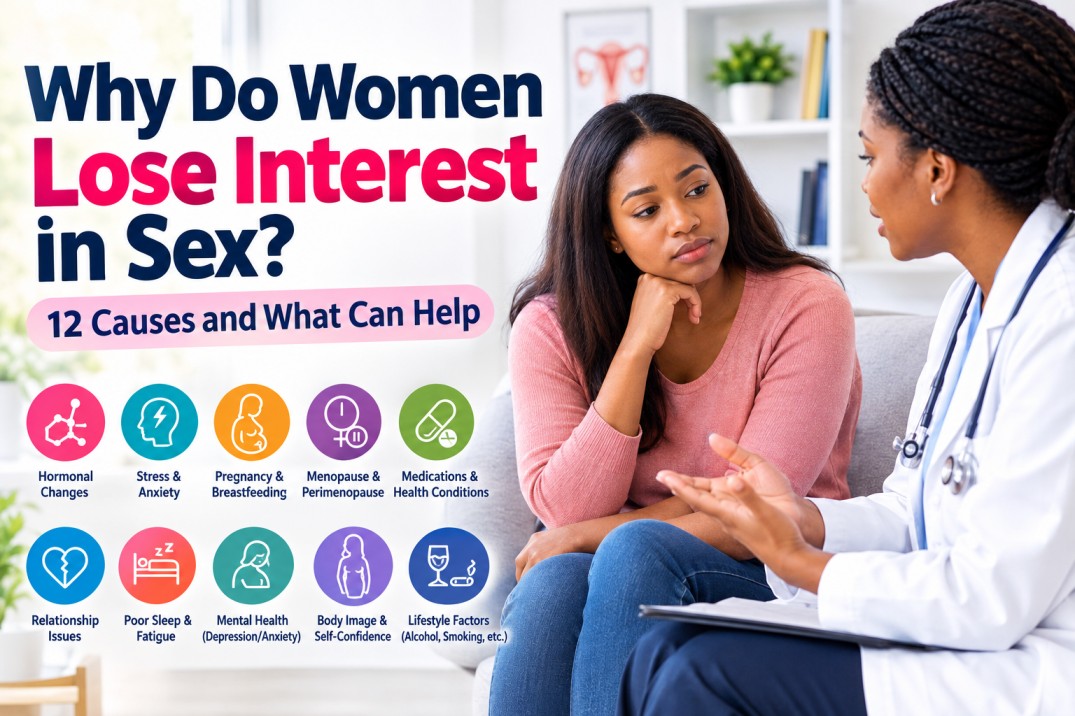
A reduced sex drive after childbirth is common and does not necessarily mean something is wrong.
The postpartum period can involve:
- Sleep deprivation
- Physical exhaustion
- Pain
- Breastfeeding
- Hormonal changes
- Stress
- Body-image concerns
- Emotional adjustment to parenthood
ACOG notes that pregnancy and breastfeeding, inadequate sleep, medications, relationship difficulties, and other factors can influence sexual desire and sexual function.
Some women may want sex relatively soon after birth, while others may have little interest for months. Both experiences can occur during normal postpartum adjustment.
There is no medically required deadline for feeling sexually interested again.
Can You Get Pregnant Soon After Giving Birth?
Yes. This is one of the most important facts new parents should know.
A woman can become pregnant before her first postpartum period because ovulation occurs before menstruation. The NHS states that pregnancy can occur as early as three weeks (21 days) after childbirth, including in women who are breastfeeding.
Therefore, if another pregnancy is not desired, contraception should be discussed early—ideally before resuming sexual intercourse.
Does Breastfeeding Prevent Pregnancy?
Breastfeeding can provide some contraceptive protection under specific conditions through a method called the lactational amenorrhea method (LAM). However, it is not simply the fact of breastfeeding that prevents pregnancy.
According to the NHS, LAM is most effective when the baby is under six months old, the mother has not resumed menstruation, and breastfeeding is exclusive or nearly exclusive with sufficiently frequent feeds. Changes such as introducing formula or solid foods, reducing breastfeeding, or the return of menstruation can reduce its effectiveness.
Women who do not want another pregnancy should discuss a reliable contraceptive method with their healthcare professional.
Which Contraception Can Be Used After Birth?
Several contraceptive options can be started soon after childbirth, including condoms, progestogen-only methods and some intrauterine contraceptives. The appropriate method depends on individual health circumstances, breastfeeding status, preferences and timing.
ACOG recommends discussing contraception during pregnancy or soon after delivery because fertility can return quickly.
If you are breastfeeding, ask your healthcare provider which contraceptive options are appropriate for you.
When Should You Avoid Sex and Contact a Doctor?
Do not ignore symptoms that could indicate a postpartum complication.
Contact your healthcare provider promptly if you have:
- Heavy or increasing vaginal bleeding
- Fever
- Foul-smelling vaginal discharge
- Worsening abdominal or pelvic pain
- Increasing pain around a perineal tear, episiotomy, or cesarean incision
- Redness or discharge from a surgical or perineal wound
- Significant pain during intercourse that does not improve
ACOG identifies fever, heavy bleeding, worsening pain, and foul-smelling vaginal discharge among symptoms requiring medical attention after childbirth.
Seek emergency care for severe symptoms such as sudden heavy bleeding accompanied by dizziness or faintness, chest pain, difficulty breathing, seizures, or severe lower-abdominal pain.
What About Intimacy Without Intercourse?
Sexual intimacy does not have to begin with penetration.
Couples can reconnect through:
- Kissing
- Cuddling
- Massage
- Holding hands
- Talking
- Non-penetrative sexual activity
- Spending private time together
These forms of intimacy can be particularly valuable when a new mother is physically recovering or simply does not feel ready for intercourse.
ACOG emphasizes that it is normal for new parents to have little interest in sex, even for several months after childbirth.
What Does the Postpartum Checkup Have to Do With Sex?
Postpartum care is more than checking whether physical wounds have healed.
ACOG recommends postpartum care that addresses physical recovery, emotional well-being, sleep, feeding, contraception, sexuality, and future pregnancy planning. ACOG recommends contact with an obstetric care provider within the first three weeks and a comprehensive postpartum visit no later than 12 weeks after birth.
This makes postpartum appointments an excellent opportunity to ask questions about painful sex, vaginal dryness, contraception, libido, pelvic-floor symptoms, or concerns about healing.
The Bottom Line
There is no single date when every woman should resume sex after pregnancy. Many healthcare professionals recommend waiting around six weeks, but the more important question is whether the woman has healed adequately, has no concerning symptoms, feels comfortable, and genuinely wants to resume sexual activity.
For some women, sex may feel comfortable relatively soon after recovery. For others, it may take several months. Neither situation automatically indicates a problem.
The most important rules are simple: do not rush, do not ignore pain, communicate with your partner, use contraception if pregnancy is not desired, and seek medical advice when something does not feel right.
Postpartum sexual health is part of postpartum health—and women deserve accurate information and compassionate medical support as their bodies recover and their lives change.