


Abortion: What It Is, Why It Happens, Risks, Laws, and the Ongoing Debate
Abortion is one of the most widely discussed and emotionally charged topics in healthcare and society. For some, it represents a fundamental aspect of reproductive healthcare and bodily autonomy. For others, it raises profound ethical, moral, and religious concerns about the beginning of human life.
Despite these differing perspectives, one fact remains clear: millions of women around the world are affected by abortion-related decisions every year.
Understanding abortion requires looking beyond opinions and examining the medical facts, reasons people seek abortions, potential risks, legal considerations, and available alternatives. Informed decisions are best made when people have access to accurate, evidence-based information.
What Is Abortion?
Abortion is the termination of a pregnancy before the fetus can survive outside the uterus. It may occur naturally or be induced through medical or surgical procedures. There are two main types:
1. Spontaneous Abortion (Miscarriage)
A spontaneous abortion, commonly called a miscarriage, occurs naturally without medical intervention. Most miscarriages happen during the first trimester and are usually caused by chromosomal abnormalities that prevent normal fetal development.
2. Induced Abortion
An induced abortion is a medical procedure or medication used intentionally to end a pregnancy. Depending on the stage of pregnancy, it may involve medication or a minor surgical procedure performed by trained healthcare professionals.
Why Do People Seek Abortions?
Every pregnancy is unique, and so are the reasons behind abortion decisions. Some of the most common include:
- Unplanned or unintended pregnancy
- Serious health risks to the pregnant woman
- Severe fetal abnormalities
- Pregnancy resulting from rape or incest
- Financial hardship
- Lack of emotional or social support
- Existing family responsibilities
- Personal life circumstances, education, or career considerations
Often, multiple factors contribute to the decision rather than a single reason.
Types of Induced Abortion
Medical Abortion
Medical abortion involves taking prescribed medications to end an early pregnancy. It is typically used during the first several weeks of pregnancy under appropriate medical guidance. The process generally includes:
- Medication to stop the pregnancy from developing.
- A second medication that causes the uterus to contract and expel the pregnancy tissue.
Women usually experience bleeding and cramping similar to, or heavier than, a menstrual period.
Surgical Abortion
Surgical abortion is performed in a healthcare facility by qualified medical professionals. The method used depends largely on the stage of pregnancy. Common procedures include:
- Vacuum aspiration
- Dilation and evacuation (D&E)
These procedures are generally completed within a short period, although recovery varies from person to person.
Is Abortion Safe?
When performed by qualified healthcare professionals using approved methods, abortion is generally considered a safe medical procedure.
However, like all medical procedures, it carries potential risks, including:
- Heavy bleeding
- Infection
- Incomplete abortion requiring further treatment
- Injury to the uterus or cervix (rare)
- Reactions to medications or anesthesia
Unsafe abortions performed by untrained individuals or in unhygienic environments significantly increase the risk of severe complications, infertility, and maternal death.
Emotional Effects of Abortion
People respond differently after an abortion. Some experience: Relief, a sense of closure. Others may experience: Sadness, guilt, anxiety, grief, and depression
Many individuals experience a combination of emotions that change over time. Emotional support from trusted family members, friends, counselors, or mental health professionals can be valuable when needed.
Can Abortion Affect Future Fertility?
For most women, a safe and uncomplicated abortion performed by qualified healthcare providers does not affect future fertility.
However, complications from unsafe abortions—particularly untreated infections or damage to reproductive organs—may increase the risk of infertility or future pregnancy complications.
Preventing Unintended Pregnancy
Reducing unintended pregnancies can also reduce the need for abortion. Effective preventive measures include:
- Comprehensive sexual education
- Access to reliable contraception
- Family planning services
- Open communication between partners
- Regular healthcare consultations
Legal Status of Abortion
Abortion laws vary widely across countries and even within regions of the same country.
Some countries permit abortion on request during the early stages of pregnancy, while others allow it only under specific circumstances, such as:
- Risk to the mother’s life
- Serious fetal abnormalities
- Pregnancy resulting from rape or incest
In some jurisdictions, abortion is heavily restricted or prohibited except in limited medical emergencies.
Anyone considering abortion should seek information about the laws and regulations that apply in their location and consult qualified healthcare providers.
Ethical and Religious Perspectives
Abortion remains one of the most debated ethical issues worldwide. Supporters often emphasize:
- Women’s reproductive rights
- Bodily autonomy
- Personal choice
- Access to healthcare
Opponents frequently emphasize:
- The value and protection of unborn human life
- Moral and religious beliefs
- Adoption as an alternative
Different cultures, religions, and philosophical traditions hold varying views, and respectful dialogue is essential when discussing the topic.
When to Seek Immediate Medical Attention
Anyone who has had an abortion should seek urgent medical care if they experience:
- Heavy bleeding that soaks multiple sanitary pads within a short time
- Severe abdominal pain that does not improve
- High fever
- Foul-smelling vaginal discharge
- Persistent dizziness or fainting
These symptoms may indicate complications requiring prompt medical treatment.
The Importance of Reliable Medical Advice
The internet contains a vast amount of information about abortion, but not all of it is accurate. Individuals facing decisions about pregnancy should consult qualified healthcare professionals rather than relying solely on social media or unverified sources.
Access to accurate information helps people make informed decisions that prioritize their health, safety, and well-being.
Conclusion
Abortion is a complex issue involving medicine, ethics, law, religion, and personal circumstances. There is no single experience or viewpoint that represents everyone.
Understanding the medical facts, recognizing the potential risks, and respecting the diversity of personal beliefs can help foster more informed and compassionate discussions.
Whether someone supports or opposes abortion, promoting access to accurate health information, quality healthcare, and respectful dialogue remains essential.
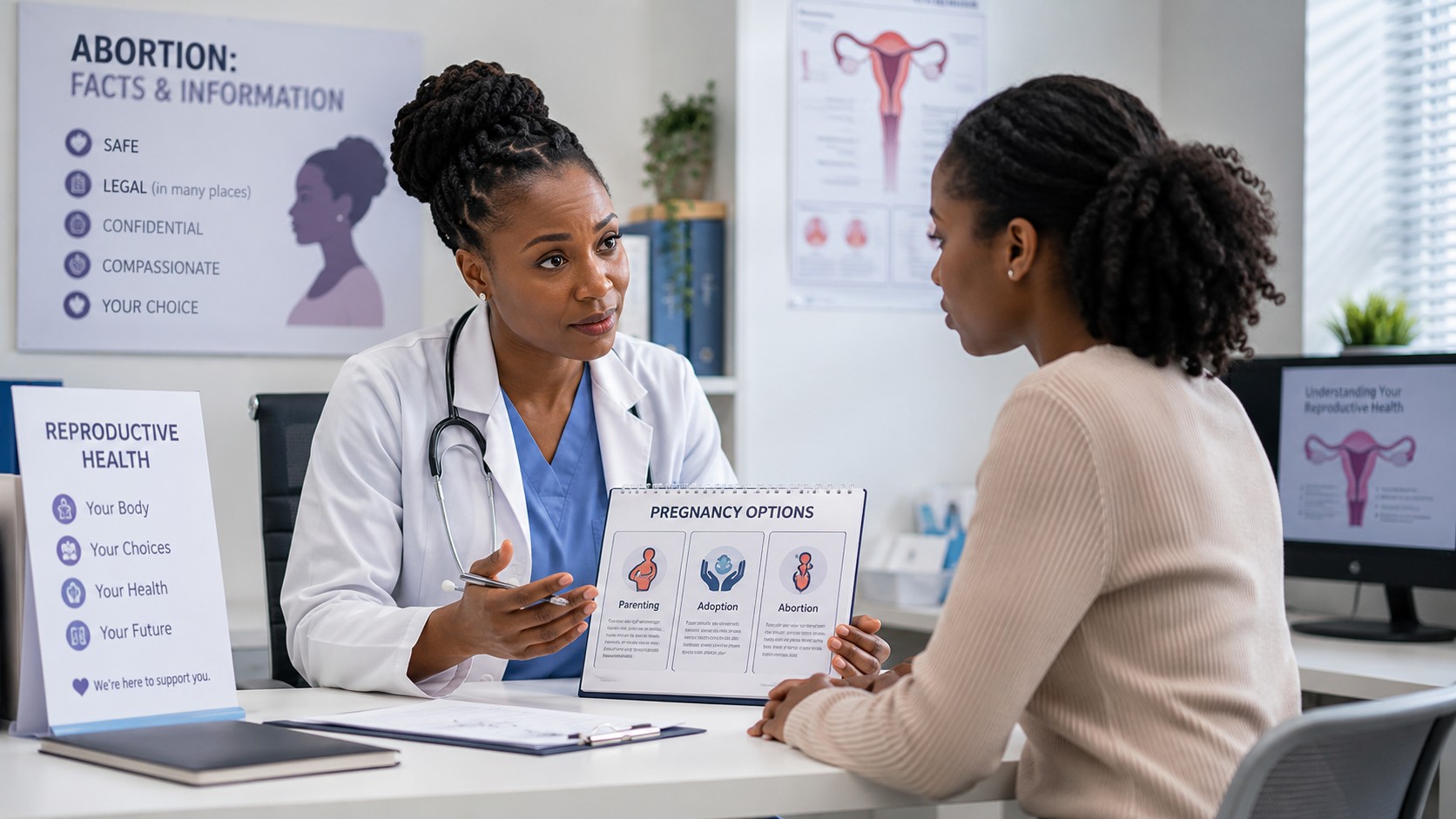
Individuals facing an unplanned pregnancy should seek guidance from qualified healthcare providers to understand their options and receive appropriate care.