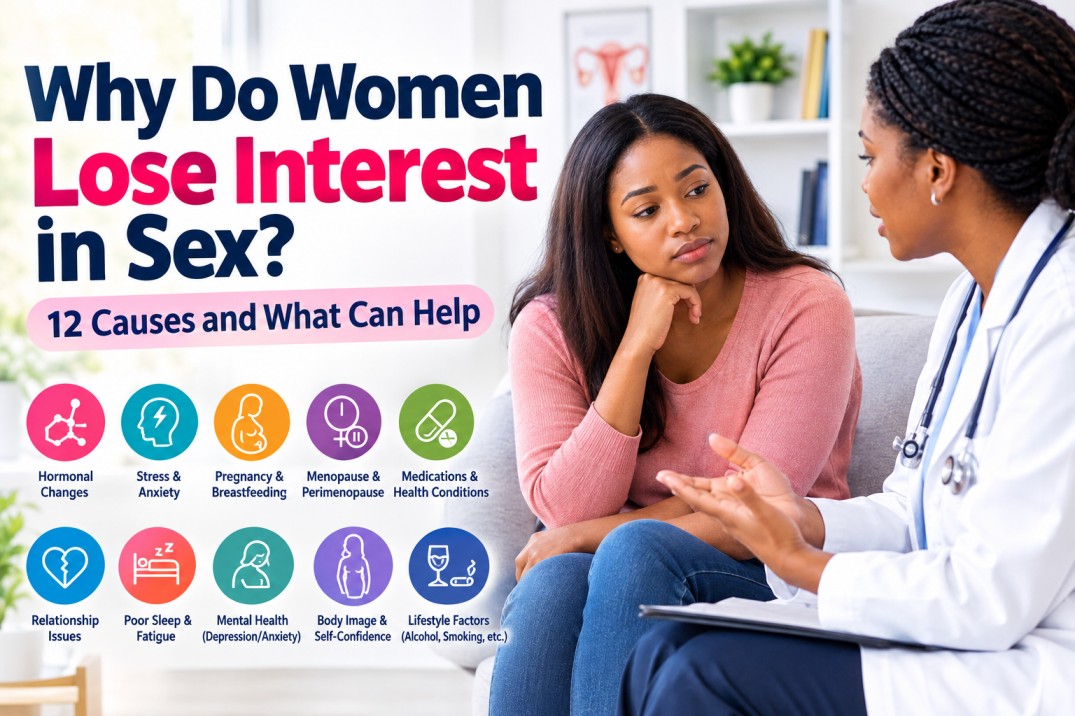
Why Do Women Lose Interest in Sex? 12 Causes and What Can Help
- What Is Low Sexual Desire in Women?
- 12 Reasons Women May Lose Interest in Sex
- 1. Hormonal Changes
- 2. Stress, Anxiety, and Emotional Pressure
- 3. Pregnancy, Childbirth, and Breastfeeding
- 4. Menopause and Perimenopause
- 5. Pain During Sexual Intercourse
- 6. Relationship Problems and Loss of Emotional Intimacy
- 7. Certain Medications
- 8. Fatigue, Poor Sleep, and Exhaustion
- 9. Depression, Anxiety, and Previous Traumatic Experiences
- 10. Underlying Medical Conditions
- 11. Body Image and Changes in Self-Confidence
- 12. Alcohol, Smoking, and Other Lifestyle Factors
- Is It Normal for a Woman to Lose Interest in Sex?
- When Should a Woman See a Gynecologist?
- How Do Doctors Evaluate Low Sexual Desire?
- How Can Women Improve Low Sexual Desire?
- Are There Medicines to Increase Sexual Desire in Women?
- Frequently Asked Questions
- 1. Does losing interest in sex mean a woman no longer loves her partner?
- 2. Can hormonal imbalance cause low libido?
- 3. Does breastfeeding reduce a woman’s sex drive?
- 4. Can low sexual desire be treated?
- 5. Is low libido always a sign of illness?
- 6. At what age do women lose interest in sex?
- 7. Can a woman regain her sexual desire?
- Low Libido Is a Health Concern Worth Discussing
- References
A woman’s interest in sex can change throughout her life. She may experience strong sexual desire at one stage and little interest at another. For some women, the change is temporary and related to stress, fatigue, pregnancy, breastfeeding, or relationship difficulties. For others, it may be associated with hormonal changes, painful intercourse, medication side effects, or an underlying health condition.
But what causes a woman to lose interest in sex, even when she loves her partner? Can hormonal imbalance reduce sexual desire? Is low libido a sign of illness? And when should a woman seek medical attention?
These are important questions because physical health, hormones, emotional well-being, personal experiences, and relationship circumstances all influence a woman’s sexual desire. There is rarely one explanation that applies to every woman
In this medically informed guide, we examine 12 possible reasons women experience reduced sexual desire, the signs that may accompany it, and evidence-based ways to address the problem.
Medical note: This article provides general health information based on established medical guidance. It is not a substitute for an individual consultation with a qualified healthcare professional.
READ ALSO The Importance of Sex to Women’s Health: Beyond Pleasure, Into Wellness
What Is Low Sexual Desire in Women?
Low sexual desire, commonly called low libido, refers to having less interest in sexual activity than a woman would like or than she previously experienced.
It may involve:
- Having sexual thoughts or fantasies less frequently.
- Not feeling interested in initiating sexual activity.
- Feeling little spontaneous desire for sex.
- Experiencing reduced interest in sexual stimulation.
- Feeling less motivated to engage in sexual intimacy.
- Experiencing distress about a change in sexual desire.
However, there is no single level of sexual desire that every woman should have.
Some women experience spontaneous desire, meaning they feel interested in sex before sexual activity begins. Others experience what is known as responsive desire, in which interest develops after affectionate contact, emotional connection, or sexual stimulation begins.
Responsive desire is not necessarily abnormal. It is important to distinguish between a woman’s natural pattern of desire and a persistent change that causes her distress.
Clinicians may diagnose a sexual desire disorder when specific symptoms persist and cause significant distress. The assessment considers the woman’s circumstances, medical history, and individual experience rather than relying on a universal frequency of sexual activity.
12 Reasons Women May Lose Interest in Sex
1. Hormonal Changes
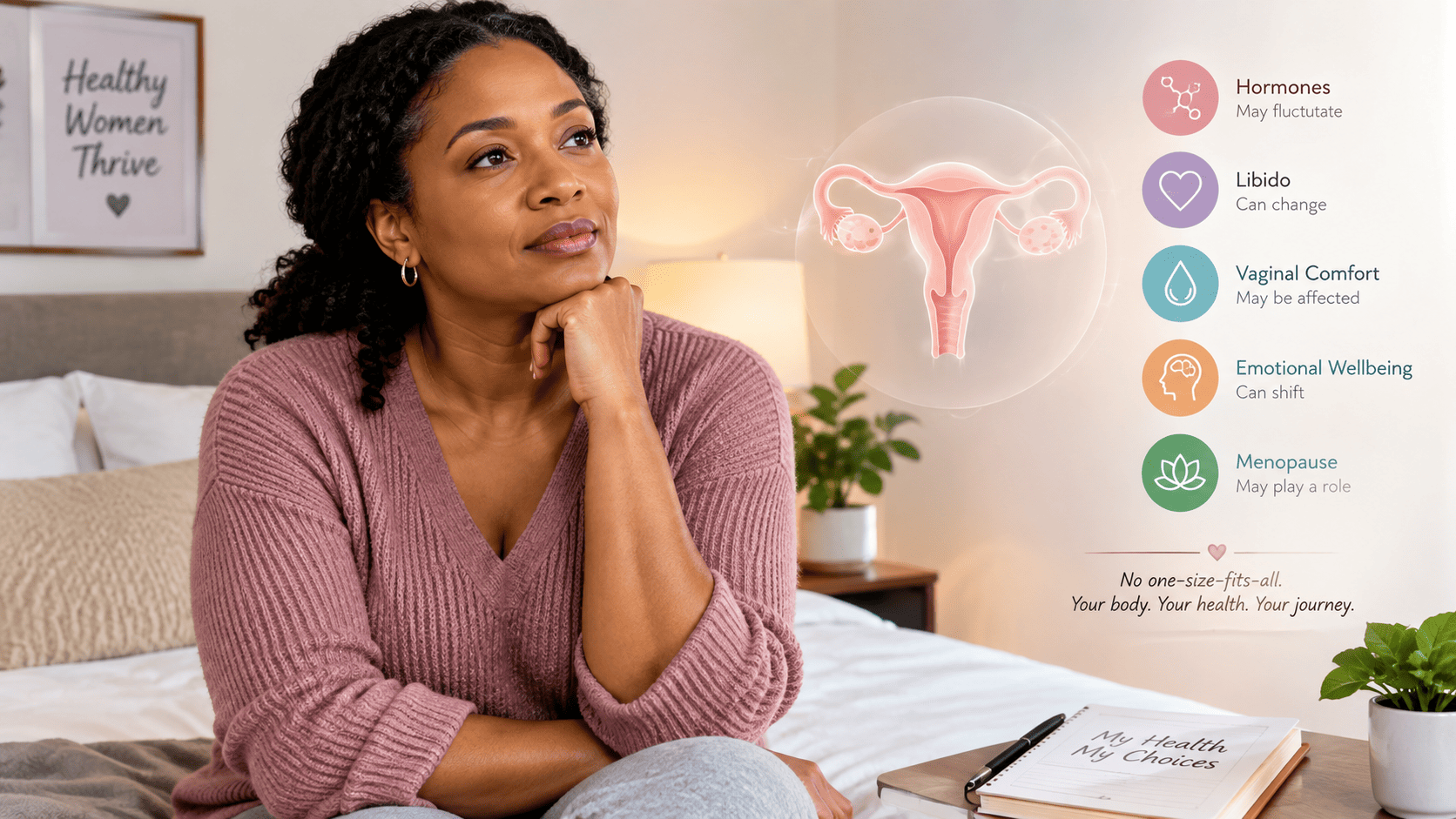
Hormones play important roles in sexual function, but their effects are complex. Changes in estrogen, testosterone, and other hormones can influence vaginal comfort, arousal, and sexual desire.
During perimenopause and menopause, declining estrogen levels can contribute to vaginal dryness, thinning of vaginal tissues, and pain during sexual activity. When sex becomes uncomfortable, a woman may understandably begin to avoid it.
Hormonal changes can also occur during pregnancy, after childbirth, and while breastfeeding.
However, it is important not to assume that every woman with low libido has a hormonal imbalance. Sexual desire is affected by many factors, and hormone levels alone do not necessarily explain how much interest a woman has in sex.
What can help?
A healthcare professional can assess whether symptoms suggest a hormonal or gynecological problem. Treatment may include addressing vaginal dryness, managing menopausal symptoms, or treating another underlying condition.
2. Stress, Anxiety, and Emotional Pressure
Stress is a common contributor to reduced sexual desire.
When a woman is worried about finances, work, family responsibilities, pregnancy, or personal problems, sexual activity may become a low priority.
Anxiety can also make it difficult to relax and concentrate on intimacy. A woman may love her partner and still struggle to feel sexually interested when her mind is overwhelmed.
Depression may affect sexual desire, energy, motivation, and the ability to experience pleasure. Anxiety and depression can also coexist with physical or relationship problems that affect sexual function.
What can help?
Addressing the source of stress may improve overall well-being and, in some cases, sexual desire. Strategies include adequate rest, physical activity, emotional support, counseling, and treatment for anxiety or depression when appropriate.
A qualified healthcare professional should assess persistent depression.
3. Pregnancy, Childbirth, and Breastfeeding
Pregnancy and the postpartum period can bring substantial changes to a woman’s body, sleep, hormones, and emotional life.
After childbirth, some women experience reduced sexual desire because of physical recovery, exhaustion, concerns about body image, or the demands of caring for a newborn.
Breastfeeding can contribute to lower estrogen levels, which may cause vaginal dryness and discomfort during intercourse. Interrupted sleep and the constant demands of infant care may further reduce interest in sexual activity.
Some women regain their previous level of desire relatively quickly, while others need more time.
A reduced interest in sex after childbirth does not automatically mean that something is wrong with the relationship.
If sex is painful, bleeding continues unexpectedly, or recovery is difficult, a woman should seek medical advice rather than forcing herself to resume sexual activity.
4. Menopause and Perimenopause
Perimenopause is the transition leading up to menopause, while menopause is established after 12 consecutive months without a menstrual period when there is no other explanation.
During this stage, hormonal changes can affect several aspects of sexual health.
Some women experience:
- Reduced sexual desire.
- Vaginal dryness.
- Burning or irritation around the vagina.
- Pain during penetration.
- Changes in arousal.
- Sleep disturbances or hot flashes that affect energy and comfort.
These symptoms can occur together. For example, a woman who repeatedly experiences painful intercourse may begin to associate sex with discomfort and become less interested in it.
Nevertheless, menopause does not mean the end of a satisfying sex life. Many women continue to enjoy sexual intimacy throughout midlife and beyond. Treatment can help when menopausal symptoms interfere with comfort or desire.
5. Pain During Sexual Intercourse
Pain is an important but sometimes overlooked reason women lose interest in sex.
If sexual activity repeatedly causes discomfort, a woman may begin avoiding it to prevent further pain.
Possible causes include vaginal dryness, pelvic floor muscle problems, endometriosis, certain ovarian conditions, vulvovaginal disorders, and other gynecological conditions.
Pain may occur at the vaginal opening, deeper within the pelvis, or during particular sexual activities.
Some women also experience involuntary tightening of the pelvic floor muscles, which can make penetration difficult or painful.
Pain during sex should not be dismissed as something every woman must tolerate.
Persistent or severe pain warrants medical evaluation to identify the cause and determine appropriate treatment. Depending on the diagnosis, management may include lubricants, treatment for a gynecological condition, pelvic floor physiotherapy, or other targeted care.
6. Relationship Problems and Loss of Emotional Intimacy
Sexual desire does not exist independently of a woman’s emotional and relationship circumstances.
Unresolved arguments, a lack of trust, poor communication, resentment, and feeling emotionally disconnected can affect sexual interest.
Some women need emotional closeness to express sexual desire. When they feel ignored, unsupported, criticized, or pressured, their interest in sexual intimacy may decline.
Differences in sexual desire between partners are also common. One partner may want sex more frequently than the other, potentially creating frustration if the difference is handled without understanding.
However, low desire should not automatically be interpreted as evidence that a woman no longer loves her partner or is being unfaithful.
A change in sexual desire is not proof of a change in love or commitment.
Open communication, mutual respect, and relationship counseling when needed can help couples understand and address the underlying issues. Relationship difficulties are recognized contributors to sexual problems in women.
7. Certain Medications
Some medications can affect sexual desire, arousal, lubrication, or the ability to reach orgasm.
Examples include:
- Certain antidepressants, particularly selective serotonin reuptake inhibitors (SSRIs).
- Some medicines used to treat high blood pressure.
- Certain hormonal contraceptives.
- Some antipsychotic medications.
- Certain opioid pain medicines.
- Some treatments used for cancer and other serious illnesses.
The effect varies between individuals. A medicine may reduce sexual desire in one woman but have little effect on another.
Hormonal contraception may affect sexual desire in some women, although the effects are not the same for everyone and research findings vary by method and individual.
If reduced libido begins after starting a medication or changing its dose, discuss the timing with the prescribing clinician.
Do not stop prescribed medication or contraception without medical guidance. A clinician may determine whether the medicine is contributing to the problem and whether a suitable alternative is available.
8. Fatigue, Poor Sleep, and Exhaustion
Sexual desire can be difficult to maintain when the body is physically exhausted.
Women balancing employment, childcare, household responsibilities, caregiving, or demanding work schedules may have little energy left for intimacy.
Sleep deprivation can affect mood, concentration, emotional regulation, and general well-being. New mothers may be particularly affected because newborns often wake repeatedly during the night.
A woman who feels exhausted may prefer sleep to sexual activity. This does not necessarily indicate a sexual disorder.
If fatigue is persistent or unusually severe, however, it should not automatically be attributed to a busy lifestyle. Medical conditions, including anemia, thyroid disorders, sleep disorders, and depression, may contribute to tiredness.
What can help?
Improving sleep opportunities, sharing responsibilities, reducing avoidable stress, and discussing expectations with a partner may help. Assess persistent fatigue when it interferes with daily life.
9. Depression, Anxiety, and Previous Traumatic Experiences
Mental health and sexual health are closely connected.
Depression may reduce interest in activities that previously brought pleasure, including sex. Anxiety may cause excessive worry about performance, pregnancy, physical appearance, or a partner’s expectations.
Previous experiences of sexual abuse, coercion, or other trauma may also affect a woman’s sense of safety and comfort during intimacy.
These experiences do not affect every woman in the same way, and a woman should never be pressured to disclose personal trauma before she feels ready.
When mental health difficulties are contributing to reduced sexual desire, appropriate treatment may help. Depending on the circumstances, this could include psychological therapy, trauma-informed care, medication, or a combination of approaches.
It is important to recognize that some medications used to treat depression can also cause sexual side effects. Clinicians should consider both the effects of the condition and the effects of treatment when discussing options.
10. Underlying Medical Conditions
Some medical conditions can affect sexual desire indirectly by causing fatigue, pain, hormonal changes, emotional distress, or other symptoms.
Conditions that may contribute include:
- Thyroid disorders: An underactive thyroid can cause fatigue and other symptoms that affect well-being.
- Diabetes: Diabetes may contribute to nerve damage, circulation problems, and changes in sexual function.
- Heart disease: Cardiovascular illness can affect physical stamina and sexual function.
- Chronic pain conditions: Ongoing pain may reduce energy and interest in intimacy.
- Cancer and its treatment: Some treatments can affect hormones, body image, vaginal comfort, and sexual function.
- Certain neurological conditions: These may affect sensation, arousal, or other aspects of sexual response.
Having one of these conditions does not automatically mean a woman will experience low libido. The impact depends on the condition, its severity, treatment, and individual circumstances.
A healthcare professional may recommend tests when the symptoms or medical history suggest a possible underlying condition.
11. Body Image and Changes in Self-Confidence
A woman’s perception of her body can influence how comfortable she feels during intimacy.
Weight changes, pregnancy, childbirth, surgery, aging, skin changes, or concerns about appearance may affect confidence.
Some women worry about whether their partners find them attractive. Others may feel uncomfortable being touched or seen naked because they are dissatisfied with their bodies.
These concerns can make it harder to relax and focus on pleasurable experiences.
However, body image is only one possible contributor to low sexual desire. A woman should not be made to feel that her body must look a particular way before she can enjoy intimacy.
Supportive communication, realistic expectations, and professional counseling when appropriate may help address persistent concerns.
12. Alcohol, Smoking, and Other Lifestyle Factors
Lifestyle habits may also influence sexual health.
Excessive alcohol consumption can affect sexual response, judgment, mood, and general health. Smoking can impair blood vessel function, while some recreational drugs may affect sexual function or interact with medication.
Physical inactivity, inadequate sleep, and ongoing stress may also contribute to poor general well-being.
However, it would be inaccurate to assume that every woman with low libido has an unhealthy lifestyle.
A balanced approach is more appropriate: regular physical activity, adequate sleep, moderation or avoidance of alcohol, smoking cessation, and management of chronic conditions can support overall health and may improve aspects of sexual well-being.
Is It Normal for a Woman to Lose Interest in Sex?
Yes. Changes in sexual desire are common and can occur at different stages of life.
A woman may experience reduced desire during a stressful period, after childbirth, during breastfeeding, while recovering from an illness, or during the transition to menopause.
Some women naturally have less interest in sex than others. Others experience desire only under particular emotional or physical circumstances.
The key question is not simply whether a woman wants sex frequently. It is whether the change is concerning to her, causes distress, affects her quality of life, or occurs alongside symptoms that suggest a medical problem.
The American College of Obstetricians and Gynecologists notes that sexual problems are common and that many can be addressed with appropriate support or treatment.
When Should a Woman See a Gynecologist?
Consider arranging an appointment with a gynecologist or another qualified healthcare professional if:
- Your sexual desire has changed significantly and the change concerns you.
- Low desire persists or repeatedly returns and causes distress.
- Sex has become painful or uncomfortable.
- You experience persistent vaginal dryness, irritation, or burning.
- Your symptoms began after starting a medication or contraceptive.
- You have persistent fatigue or other symptoms that may indicate an underlying condition.
- Changes in sexual desire are affecting your emotional well-being or relationship.
Seek prompt medical assessment for unexplained vaginal bleeding, unusual discharge accompanied by other symptoms, or significant pelvic pain. Severe or sudden pelvic pain, particularly with fainting, fever, or heavy bleeding, may require emergency care.
You dont have to wait until a problem becomes severe to seek help. A clinician can help assess the cause even if your symptoms do not meet the formal criteria for a sexual desire disorder.
How Do Doctors Evaluate Low Sexual Desire?
A professional assessment begins with listening to the woman’s concerns and understanding what has changed.
A gynecologist may ask:
- When did you first notice the change?
- Was the change sudden or gradual?
- Is your interest in sex lower in all circumstances or only in particular situations?
- Do you experience pain, dryness, or difficulty becoming aroused?
- Have you recently given birth, started breastfeeding, or entered perimenopause?
- Have you started a new medication or contraceptive?
- Are stress, anxiety, depression, or relationship difficulties affecting you?
- Do you have other symptoms or existing medical conditions?
Depending on the answers, the clinician may perform a physical or pelvic examination, review medications, or order selected tests.
Blood tests are not automatically necessary for every woman with low libido. They may be appropriate when symptoms suggest conditions such as thyroid disease, diabetes, or another medical problem.
Similarly, a single hormone test cannot always explain a woman’s sexual desire. Her medical history the investigation and treatment.
How Can Women Improve Low Sexual Desire?
The most effective approach depends on the underlying cause. There is no single treatment that works for everyone.
1. Address the Underlying Cause
If low desire is associated with a medical condition, painful intercourse, medication side effects, or menopausal symptoms, treating the contributing problem may help.
A clinician can determine which treatments are appropriate.
2. Improve Communication With Your Partner
Discuss concerns without blame, pressure, or criticism.
It may help to explain what makes you feel comfortable, what you find difficult, and whether there are emotional or practical barriers to intimacy.
Partners should respect each other’s boundaries and understand that sexual activity must always be consensual.
3. Make Time for Rest and Emotional Connection
Adequate sleep, opportunities to relax, and a fairer distribution of household or caregiving responsibilities may reduce exhaustion.
Some couples also benefit from spending time together without assuming that affection must lead to sex.
4. Address Vaginal Dryness and Pain
Water-based or silicone-based lubricants can reduce friction during sexual activity. Vaginal moisturizers may help with ongoing dryness.
If dryness or pain persists, a clinician can assess the cause and discuss additional options, including treatments for menopausal changes when appropriate.
5. Seek Counseling When Appropriate
Individual therapy, sex therapy, or couples counseling may help when anxiety, depression, trauma, communication difficulties, or relationship concerns contribute to the problem.
Counseling does not mean the problem is imaginary. Sexual function involves both physical and psychological processes.
6. Review Medications With Your Doctor
If you suspect that a medication is affecting your libido, discuss the timing and symptoms with your prescriber.
Depending on your circumstances, the clinician may consider adjusting treatment or choosing an alternative. Never make changes independently.
These approaches reflect the principle that treatment should be individualized rather than based on the assumption that every woman needs medication or hormone therapy.
Are There Medicines to Increase Sexual Desire in Women?
Certain prescription treatments are available for selected women with a diagnosed sexual desire disorder. Their suitability depends on factors such as age, menopausal status, medical history, other medications, and the nature of the symptoms.
However, these medicines are not appropriate for every woman with low libido.
Treatment may instead involve addressing pain, improving vaginal comfort, changing a medication that causes sexual side effects, treating depression or another medical condition, or receiving counseling.
Hormone treatment may be appropriate for certain menopausal symptoms, but it should not be used indiscriminately to increase sexual desire. Testosterone treatment in women also requires specialist discussion because evidence, safety considerations, and regulatory approvals vary by treatment and country.
Be cautious of products advertised as instant libido boosters or hormone-balancing remedies. Supplements may have limited evidence of effectiveness and can interact with prescribed medicines.
The safest treatment is one selected after the likely cause of the problem has been assessed.
Frequently Asked Questions
1. Does losing interest in sex mean a woman no longer loves her partner?
No. Sexual desire can be affected by stress, illness, medication, hormonal changes, fatigue, pain, and many other factors. A reduction in libido does not, by itself, establish how a woman feels about her partner.
2. Can hormonal imbalance cause low libido?
Hormonal changes can contribute to reduced sexual desire, particularly when they cause symptoms such as vaginal dryness or painful intercourse. However, low libido does not automatically mean a woman has a hormonal imbalance. A clinical assessment can help determine whether hormonal changes are relevant.
3. Does breastfeeding reduce a woman’s sex drive?
It can. Breastfeeding-related hormonal changes may contribute to vaginal dryness, while interrupted sleep and the demands of caring for a baby may reduce interest in sex. The effect varies between women.
4. Can low sexual desire be treated?
Yes, in many cases the contributing factors can be addressed. Treatment depends on whether the main issue involves physical discomfort, medication, hormonal changes, mental health, relationship circumstances, or another medical condition.
5. Is low libido always a sign of illness?
No. Sexual desire varies naturally, and some women have little interest in sex without experiencing distress. Medical evaluation is especially useful when the change is unwanted, persistent, painful, or accompanied by other concerning symptoms.
6. At what age do women lose interest in sex?
There is no specific age at which women are expected to lose interest in sex. Desire can change at any age and may be influenced by relationships, health, medication, pregnancy, childbirth, breastfeeding, and menopause.
7. Can a woman regain her sexual desire?
Yes. When reduced desire is related to a treatable problem, addressing that problem may improve sexual interest. The outcome depends on the cause, the woman’s circumstances, and the treatment chosen.
Low Libido Is a Health Concern Worth Discussing
A woman may lose interest in sex for many reasons, ranging from stress and exhaustion to hormonal changes, painful intercourse, medication side effects, and relationship difficulties.
The most important lesson is that low sexual desire is not a personal failure, and it should not be treated as a problem that every woman must solve in the same way.
Some women need more rest or emotional support. Others may benefit from treatment for vaginal dryness, a medication review, psychological counseling, or assessment for an underlying medical condition.
If a change in sexual desire is troubling you, you deserve to have your concerns taken seriously. A qualified healthcare professional can help identify possible causes and discuss appropriate options without judgment.
Sexual health is part of overall well-being. Women should feel able to ask questions, seek care, and make informed decisions about their bodies.
Disclaimer
This article is intended for educational purposes and does not replace a consultation with a qualified healthcare professional. Diagnosis and treatment should be based on an individual’s symptoms, medical history, and clinical assessment
References
- American College of Obstetricians and Gynecologists: Your Sexual Health
- Mayo Clinic: Female Sexual Dysfunction—Symptoms and Causes
- Mayo Clinic: Low Sex Drive in Women—Symptoms and Causes
- NHS: Low Sex Drive (Loss of Libido)
- American College of Obstetricians and Gynecologists: When Sex Is Painful