




Folic Acid and Pregnancy: The One Vitamin That Could Protect Your Baby Before Birth
Disclosure: This page contains affiliate links. If you purchase a product through one of these links, we may earn a small commission at no additional cost to you. We only recommend products that we believe may be useful to our readers.
However, the information provided on this website is for educational purposes only and should not replace professional medical advice. Always consult your doctor or another qualified healthcare provider before starting any dietary supplement, especially during pregnancy, breastfeeding, or if you have an underlying medical condition.


When planning for pregnancy, many women focus on eating healthy foods, exercising, and attending prenatal checkups. However, one of the most important steps for protecting a baby’s health often begins even before conception: taking folic acid.
Folic acid is a B vitamin that plays a critical role in the healthy development of a baby’s brain and spinal cord. Medical experts around the world recommend that women who may become pregnant take folic acid daily because it can significantly reduce the risk of serious birth defects.
What is folic acid?
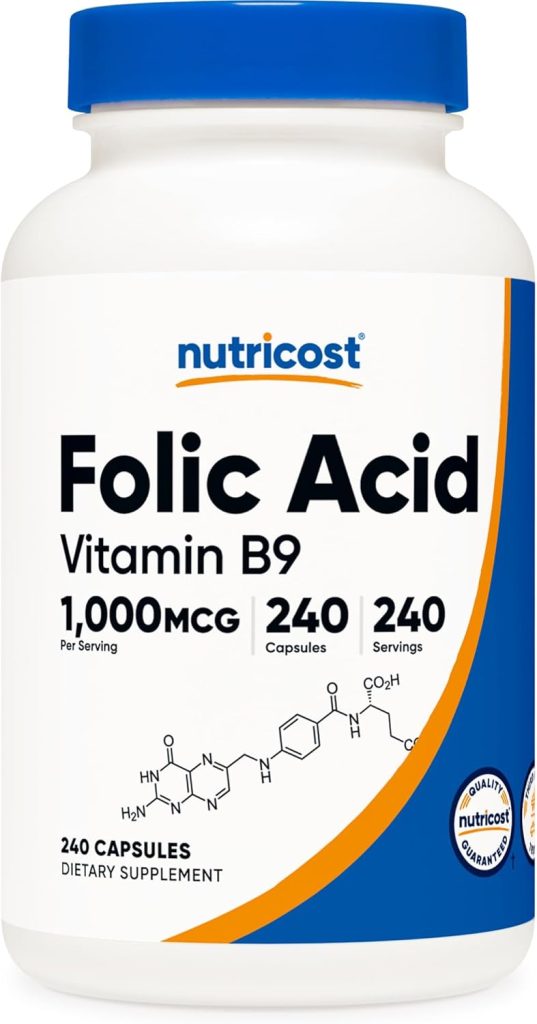
Folic acid is the synthetic form of folate, also known as vitamin B9. Folate occurs naturally in many foods, while folic acid is found in supplements and fortified foods.
The body uses folate to make DNA, produce healthy red blood cells, and support rapid cell growth. During pregnancy, these functions are especially important because the baby is developing quickly.
Why is folic acid important during pregnancy?
Folic acid is most important during the first few weeks of pregnancy, often before a woman knows she is pregnant. During this time, the baby’s neural tube forms. The neural tube later develops into the brain and spinal cord.
Adequate folic acid intake can help prevent neural tube defects (NTDs), which are serious birth defects affecting the brain and spine.
The two most common neural tube defects are:
- Spina bifida: A condition where the spinal cord does not develop properly.
- Anencephaly: A severe condition in which parts of the brain and skull do not form correctly.
Research shows that taking folic acid before conception and during early pregnancy can reduce the risk of neural tube defects by up to 70%.
How much folic acid is needed?
The general recommendation for most women who may become pregnant is:
- 400 micrograms (mcg) daily before pregnancy and during early pregnancy.
- 600 mcg daily during pregnancy, according to many prenatal guidelines.
Women who have previously had a baby with a neural tube defect or who have certain medical conditions may need a higher dose. This should only be taken under a doctor’s supervision.
When should you start taking folic acid?
Ideally, women should begin taking folic acid at least one month before conception and continue through the first trimester.
Because many pregnancies are unplanned, health experts often recommend that all women of childbearing age take 400 mcg of folic acid daily.
Foods rich in folate
Although supplements are recommended, eating folate-rich foods can also support pregnancy health.
Good sources include:
- Leafy green vegetables such as spinach and kale
- Beans and lentils
- Oranges and citrus fruits
- Avocados
- Broccoli
- Asparagus
- Nuts and seeds
- Fortified cereals and bread
Cooking can reduce the natural folate content of some foods, which is why supplements remain important.
Benefits of folic acid beyond preventing birth defects
Folic acid offers several additional benefits during pregnancy:
- Supports healthy growth and development of the baby.
- Helps produce healthy red blood cells.
- Reduces the risk of certain types of anemia.
- Supports proper DNA formation.
- May reduce the risk of preterm birth in some cases.
Who may need extra folic acid?
Some women may require a higher dose of folic acid, including those who:
- Have had a previous pregnancy affected by a neural tube defect.
- Have diabetes.
- Take certain anti-seizure medications.
- Have obesity.
- Have conditions that affect nutrient absorption, such as celiac disease.
A healthcare provider can determine the appropriate dose based on individual health needs.
Can you get too much folic acid?
Folic acid is generally safe when taken in recommended amounts. However, taking very high doses without medical advice is not recommended.
Excessive folic acid intake may mask symptoms of vitamin B12 deficiency, which can lead to nerve damage if untreated.
Common myths about folic acid
Myth: Folic acid is only needed after pregnancy is confirmed.
Fact: Folic acid is most effective when taken before conception and during the first weeks of pregnancy.
Myth: Eating healthy foods provides enough folate.
Fact: While a healthy diet is important, it may not provide the recommended amount of folate needed to prevent neural tube defects.
Myth: Folic acid only benefits the baby.
Fact: Folic acid also supports the mother’s health by helping prevent anemia and supporting cell growth.
Tips for taking folic acid
- Choose a prenatal vitamin that contains folic acid.
- Take it at the same time each day to build a routine.
- Continue taking it as recommended by your healthcare provider.
- Combine supplements with a balanced diet rich in folate-containing foods.
Conclusion
Folic acid is one of the simplest and most effective ways to support a healthy pregnancy. By taking the recommended amount before conception and during early pregnancy, women can significantly reduce the risk of serious birth defects and support their baby’s healthy development.
If you are planning to become pregnant or could become pregnant, talk to your healthcare provider about the right folic acid supplement for you. A small daily vitamin can make a life-changing difference for both mother and baby.