


High-Risk Pregnancy: The Warning Signs Every Expectant Mother Should Never Ignore


Pregnancy is often a joyful and life-changing experience, but for some women, it comes with additional medical concerns that require closer attention. A high-risk pregnancy means that the mother, baby, or both have a greater chance of health complications before, during, or after delivery. With proper prenatal care, monitoring, and medical support, many women with high-risk pregnancies go on to have healthy babies.
Understanding what makes a pregnancy high-risk can help expectant mothers recognize warning signs early and seek timely medical care.
What is a high-risk pregnancy?
A high-risk pregnancy is one in which the mother or baby has an increased likelihood of complications compared to a typical pregnancy. This does not mean that complications will definitely occur, but it does mean that the pregnancy requires closer monitoring by healthcare professionals.
High-risk pregnancies may be identified before conception, during pregnancy, or even during labor.
Common causes of high-risk pregnancy
Several factors can increase the risk of complications during pregnancy. These include:
- Maternal age: Women under 17 or over 35 may have higher pregnancy risks.
- Chronic health conditions: Diabetes, high blood pressure, kidney disease, thyroid disorders, and heart disease can affect pregnancy.
- Obesity: Excess weight increases the risk of gestational diabetes, preeclampsia, and delivery complications.
- Multiple pregnancies: Carrying twins, triplets, or more increases the risk of preterm birth and other complications.
- Previous pregnancy complications: A history of miscarriage, preterm birth, stillbirth, or cesarean section may raise risk.
- Infections: Certain infections during pregnancy can affect both mother and baby.
- Lifestyle factors: Smoking, alcohol use, and illicit drug use significantly increase pregnancy risks.
- Genetic conditions: Some inherited disorders may require specialized prenatal care.
Types of high-risk pregnancy conditions
Gestational diabetes
This is diabetes that develops during pregnancy. It can lead to excessive birth weight, premature birth, and complications during delivery if not properly managed.
Preeclampsia
Preeclampsia is characterized by high blood pressure and signs of organ damage, usually after 20 weeks of pregnancy. It can be dangerous for both mother and baby if untreated.
Placenta previa
This occurs when the placenta covers part or all of the cervix, which can cause severe bleeding during pregnancy or delivery.
Preterm labor
Labor that begins before 37 weeks of pregnancy can lead to premature birth and health challenges for the baby.
Rh incompatibility
This occurs when the mother’s blood type is Rh-negative and the baby’s blood type is Rh-positive, potentially causing complications in future pregnancies if not treated.
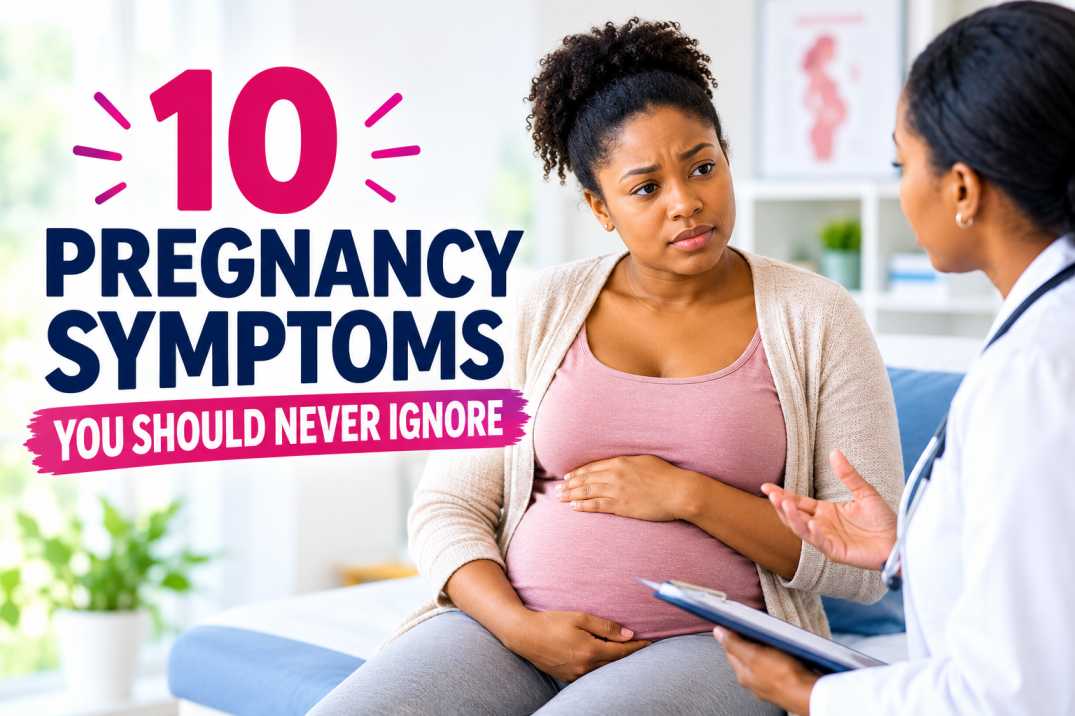
Warning signs to watch for
Pregnant women should seek immediate medical attention if they experience:
- Severe abdominal or pelvic pain
- Heavy vaginal bleeding
- Severe headaches
- Blurred vision or vision changes
- Sudden swelling of the face, hands, or feet
- High fever
- Decreased fetal movement
- Persistent vomiting
- Difficulty breathing
- Leakage of fluid from the vagina
These symptoms may indicate serious complications that require urgent care.
How high-risk pregnancy is diagnosed
Doctors use several methods to identify and monitor high-risk pregnancies:
- Medical history: Reviewing previous pregnancies, health conditions, and family history.
- Physical examinations: Monitoring blood pressure, weight, and overall health.
- Blood tests: Checking for anemia, infections, diabetes, and other conditions.
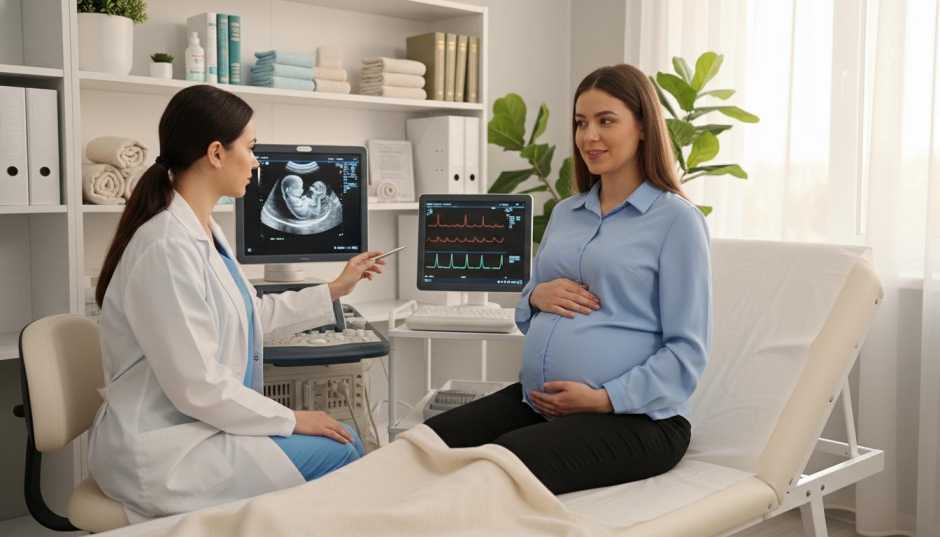
- Ultrasound scans: Assessing the baby’s growth, development, and placenta position.
- Fetal monitoring: Tracking the baby’s heart rate and movement.
Managing a high-risk pregnancy
Management depends on the specific condition, but common approaches include:
- More frequent prenatal visits
- Regular ultrasounds and fetal monitoring
- Blood pressure and blood sugar control
- Specialized medications when necessary
- Dietary and lifestyle changes
- Bed rest in some cases, though it is not always recommended
- Early delivery if the mother or baby’s health is at risk
A team of specialists, including obstetricians, maternal-fetal medicine doctors, and pediatricians, may be involved in care.
Tips for a healthier high-risk pregnancy
Women with high-risk pregnancies can improve outcomes by:
- Attending all prenatal appointments
- Taking prescribed medications as directed
- Eating a balanced, nutritious diet
- Staying physically active if approved by their doctor
- Avoiding smoking, alcohol, and recreational drugs
- Managing stress through relaxation techniques
- Monitoring fetal movements
- Reporting any unusual symptoms immediately
ALSO READ: Miscarriage: Causes, Symptoms, Treatment, and Recovery
Can high-risk pregnancy be prevented?
Not all high-risk pregnancies can be prevented, but some risks can be reduced through preconception care and healthy lifestyle choices. Women planning pregnancy should:
- Have a medical checkup before conception
- Manage chronic health conditions
- Achieve a healthy weight
- Take folic acid supplements
- Avoid harmful substances
- Discuss medications with their doctor
Conclusion
A high-risk pregnancy can feel overwhelming, but it does not mean that a healthy pregnancy and delivery are impossible. Early diagnosis, regular prenatal care, and close communication with healthcare providers are essential for protecting both mother and baby.
If you are pregnant or planning to become pregnant, understanding the risk factors and warning signs can help you make informed decisions and seek care promptly. With the right medical support, many high-risk pregnancies result in healthy mothers and healthy babies.