




Nigeria’s Security Crisis Fuels State Policing Calls
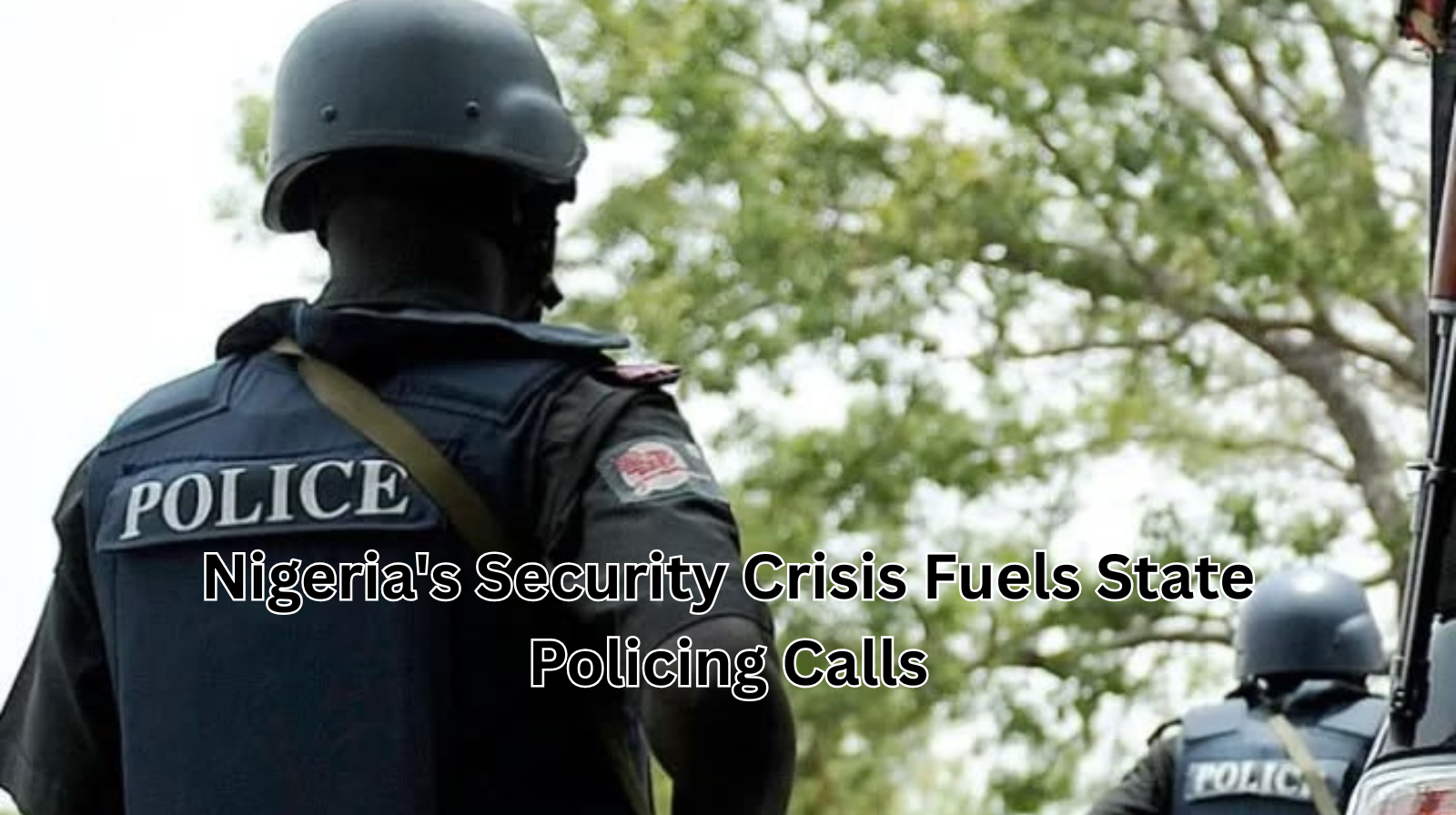


Nigeria’s security challenges continue to escalate despite ongoing military operations, with fresh incidents of kidnappings, communal violence, and renewed demands for stronger intelligence gathering and state policing.
In Borno State, families of students abducted by Boko Haram and ISWAP have accused authorities of failing to provide updates on efforts to secure the release of hundreds still believed to be in captivity.
Relatives have staged protests, urging the government to intensify rescue operations and improve communication with affected families.
Meanwhile, communal clashes in Niger State have left several people dead and forced many residents to flee their communities. The violence adds to persistent threats posed by banditry and farmer-herder conflicts, which continue to displace thousands across northern and central Nigeria.
The latest attacks have reignited calls from security analysts, civil society groups, and opposition figures for intelligence-driven policing and the creation of state police forces to enable faster responses to local security threats.
Also Read: US Withdraws Troops from Nigeria
Many argue that a decentralized approach would strengthen community-based intelligence and improve public safety.
While the administration of President Bola Tinubu maintains that security forces have neutralized numerous terrorists and rescued many captives in recent operations, critics say greater transparency and sustained reforms are needed to restore public confidence.
Analysts believe lasting peace will depend on combining military action with intelligence reforms, stronger collaboration between federal and state authorities, and active community participation in tackling insecurity.