
Prenatal Care in the First Trimester: Why the First 12 Weeks Can Shape Your Baby’s Future
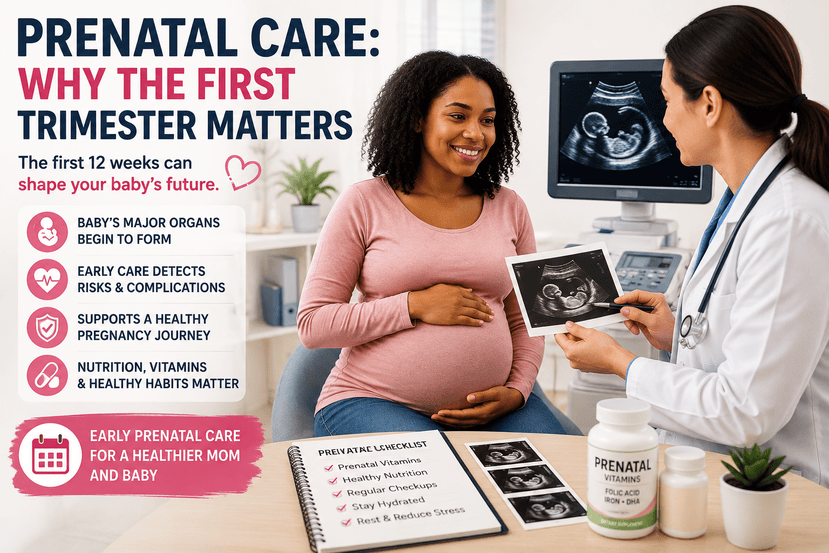


The first trimester of pregnancy is one of the most important stages of your baby’s development. Although many women may not yet have a noticeable baby bump, remarkable changes are taking place inside the womb. During these first 12 weeks, your baby’s brain, heart, spinal cord, and major organs begin to form, making proper prenatal care essential.
Early prenatal care not only helps monitor your baby’s growth but also allows healthcare providers to identify and manage potential complications before they become serious. Whether you’re planning a pregnancy or have just seen a positive pregnancy test, understanding why the first trimester matters can help give your baby the healthiest possible start.
What Is Prenatal Care?
Prenatal care is the medical care a woman receives throughout pregnancy to protect her health and support the baby’s development. It includes regular medical checkups, screening tests, nutritional guidance, vaccinations, and advice on maintaining a healthy pregnancy.
Experts recommend scheduling your first prenatal visit as soon as you know you are pregnant—ideally within the first eight weeks.
Why the First Trimester Is So Important
The first trimester lasts from week 1 to week 12 of pregnancy. During this period:
- The baby’s heart begins beating.
- The brain and spinal cord develop rapidly.
- Major organs such as the lungs, kidneys, liver, and intestines begin to form.
- The placenta develops to provide oxygen and nutrients.
- The risk of miscarriage is highest during this stage.
Because the baby’s organs are developing, exposure to harmful substances, infections, or nutritional deficiencies can affect healthy growth.
Benefits of Early Prenatal Care
1. Confirms a Healthy Pregnancy
Your healthcare provider confirms the pregnancy, estimates your due date, and checks whether the pregnancy is developing normally inside the uterus.
2. Detects Health Problems Early
Prenatal visits help identify conditions that could affect pregnancy, including:
- High blood pressure
- Diabetes
- Thyroid disorders
- Anemia
- Sexually transmitted infections
Early treatment reduces the risk of complications for both mother and baby.
3. Monitors Baby’s Development
Ultrasound examinations help confirm fetal growth, detect multiple pregnancies, and identify certain developmental concerns.
4. Reduces Pregnancy Risks
Regular monitoring can help detect complications such as:
- Ectopic pregnancy
- Miscarriage risk
- Gestational diabetes
- Preeclampsia
- Chromosomal abnormalities
Early diagnosis often leads to better outcomes.
What Happens During the First Prenatal Visit?
Your healthcare provider will usually:
- Review your medical and family history.
- Calculate your expected due date.
- Perform a physical examination.
- Measure your weight and blood pressure.
- Order blood and urine tests.
- Discuss your medications and supplements.
- Recommend prenatal vitamins containing folic acid.
- Answer questions about pregnancy and lifestyle.
Depending on your pregnancy, an ultrasound may also be performed.
Essential Nutrients During the First Trimester
Proper nutrition is critical because your baby’s organs are forming.
Important nutrients include:
- Folic acid: Helps prevent neural tube defects.
- Iron: Supports healthy red blood cell production.
- Calcium: Helps build strong bones and teeth.
- Vitamin D: Supports bone and immune health.
- Iodine: Essential for brain development.
- Protein: Supports fetal growth and maternal health.
A balanced diet combined with prenatal vitamins helps meet these nutritional needs.
Healthy Habits for a Safe Pregnancy
To support a healthy first trimester:
- Attend every prenatal appointment.
- Take prenatal vitamins daily.
- Eat a balanced diet rich in fruits, vegetables, whole grains, and lean protein.
- Stay hydrated.
- Get adequate rest.
- Engage in moderate exercise if approved by your healthcare provider.
- Avoid smoking, alcohol, and recreational drugs.
- Limit caffeine according to medical advice.
- Practice good hygiene to reduce infection risk.
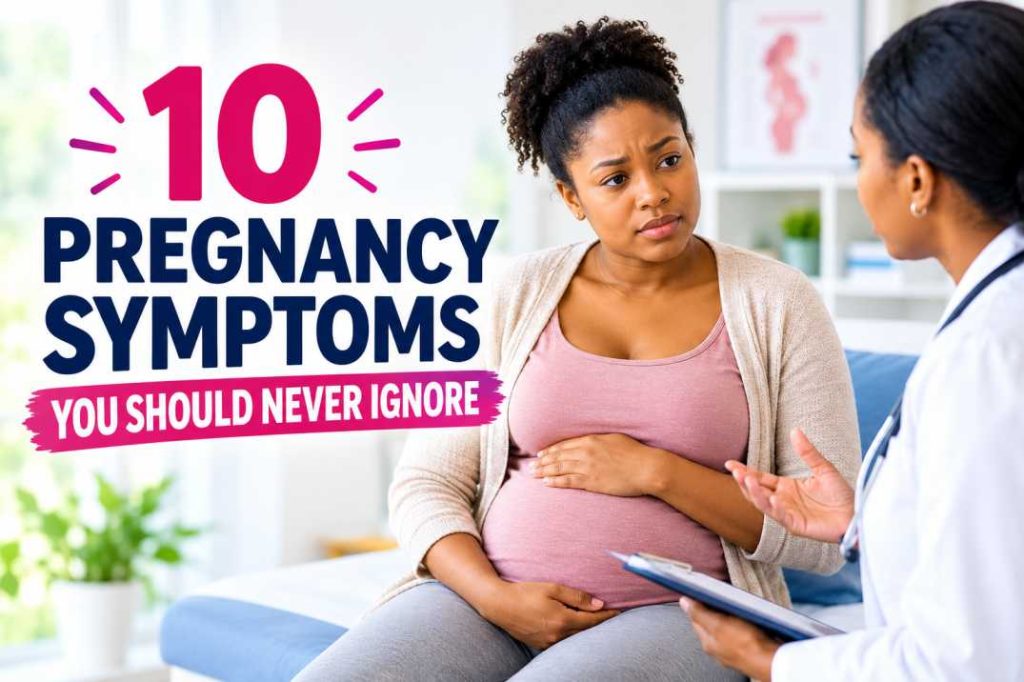
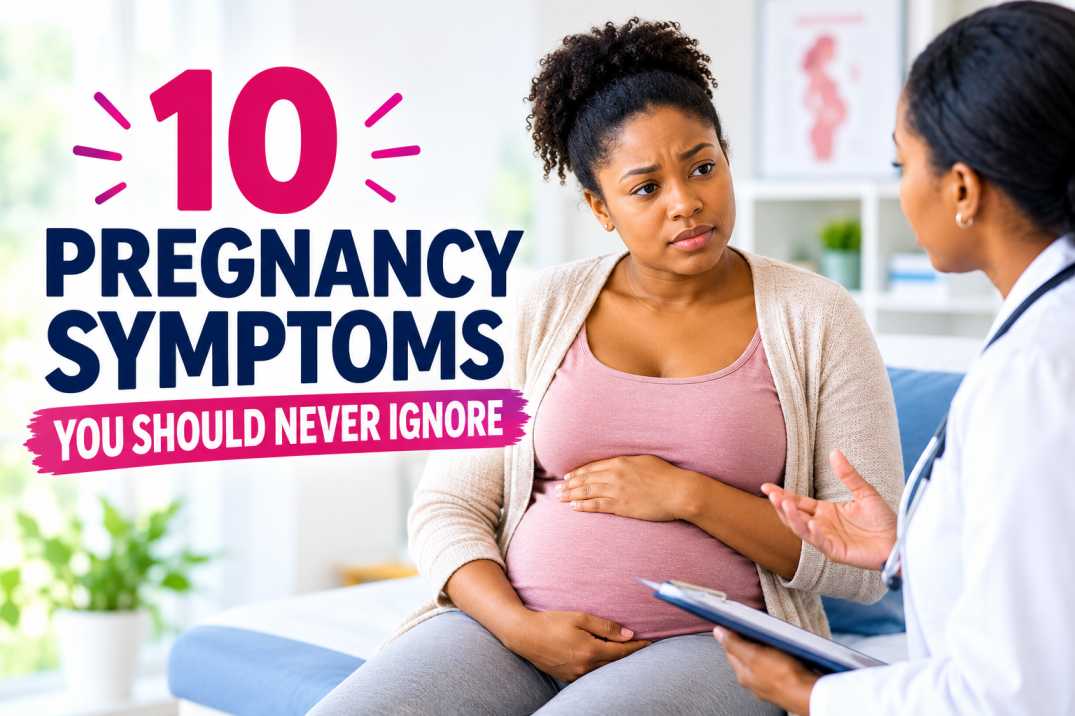
Warning Signs You Should Never Ignore
Seek immediate medical attention if you experience:
- Heavy vaginal bleeding
- Severe abdominal pain
- Persistent vomiting causing dehydration
- High fever
- Severe headaches
- Blurred vision
- Fainting
- Leakage of fluid from the vagina
Prompt medical care can help protect both mother and baby.
Common First-Trimester Symptoms
Many women experience:
- Morning sickness
- Fatigue
- Breast tenderness
- Frequent urination
- Mood changes
- Food cravings or aversions
- Mild cramping
These symptoms are often normal, but severe or persistent symptoms should be discussed with your healthcare provider.
Can Prenatal Care Improve Pregnancy Outcomes?
Yes. Studies consistently show that women who receive regular prenatal care are more likely to have healthier pregnancies and babies. Early care helps reduce the risk of premature birth, low birth weight, maternal complications, and certain preventable birth defects.
Conclusion
The first trimester lays the foundation for a healthy pregnancy. Although it is the shortest stage in terms of visible changes, it is one of the most critical periods for your baby’s growth and development. Early prenatal care, healthy lifestyle choices, and regular medical checkups can significantly improve outcomes for both mother and baby.
If you think you may be pregnant, don’t wait for symptoms to progress. Schedule your first prenatal appointment as early as possible and begin taking prenatal vitamins, including folic acid, if recommended by your healthcare provider. The care you receive during the first 12 weeks can have a lasting impact on your child’s future health.