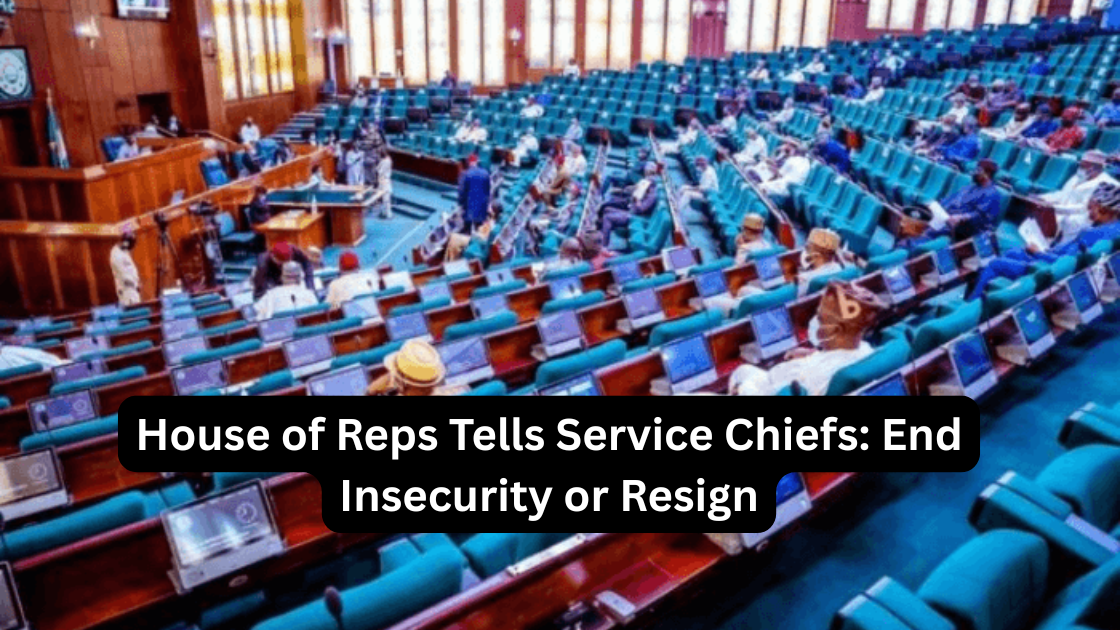




Akpabio: Senate Won’t Be Held Hostage by Individual Senator
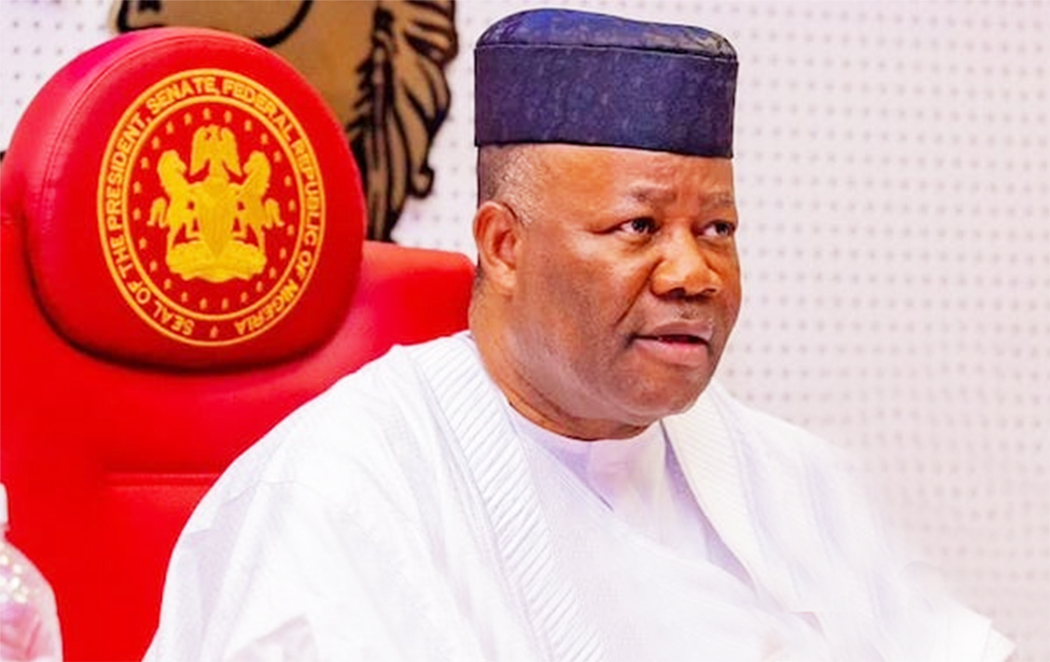


Senate President Godswill Akpabio has firmly declared that the National Assembly will not tolerate any member attempting to hold the legislature “hostage,” stressing that adherence to institutional rules and internal discipline is vital to the health of Nigeria’s democracy.
In a statement issued Saturday by his media aide, Eseme Eyiboh, titled “The Trials and Triumphs of a Resilient Nigeria’s 10th Senate,” Akpabio emphasized that the Senate’s enforcement of its Standing Orders is not aimed at stifling dissent but at preserving order and upholding the integrity of democratic processes.
“The Nigerian Senate stands among the world’s parliaments that understand chaos as the seed of anarchy and order as the foundation of democracy,” Akpabio stated. “Its commitment to internal discipline and respect for leadership is neither personal nor punitive; it is an act of institutional self-preservation.”
He clarified that the Senate’s stance against disruptive behavior by any individual member reflects a broader principle: that collective responsibility must always outweigh personal theatrics. “When the chamber asserts it will not be held hostage by the disruptive impulses of a single senator, it reaffirms that legislative strength lies in unity, not in individual grandstanding,” he said. “Strong legislatures endure not by silencing opposing views, but by ensuring those views are expressed within the bounds of procedure and decorum.”
Akpabio used global democratic norms to emphasize his argument, citing parliamentary practices in established democracies. He noted that in the United Kingdom’s House of Commons, the Speaker’s authority is absolute, and defiance of rulings carries consequences regardless of a member’s political standing. In Canada, he added, even the most contentious debates are conducted within a framework of procedural respect. Similarly, Australia’s Senate maintains its oversight role over the executive through strict adherence to legislative rules, not political convenience.
“Parliamentary discipline is a hallmark of political maturity,” Akpabio asserted. “The true test of any democracy is not the absence of dissent, but how it manages internal conflict. The Tenth Senate has faced its share of provocations and personality clashes, yet it has consistently chosen principle over populism.”
He concluded by framing the Senate’s enforcement of its rules as a demonstration of democratic resilience. “Every time the Senate upholds its Standing Orders, it sends a clear message: Nigeria’s democracy is strong enough to govern itself and disciplined enough to thrive.”