


TikTok Ban: Nigeria FG Crackdown on “Immoral Content”
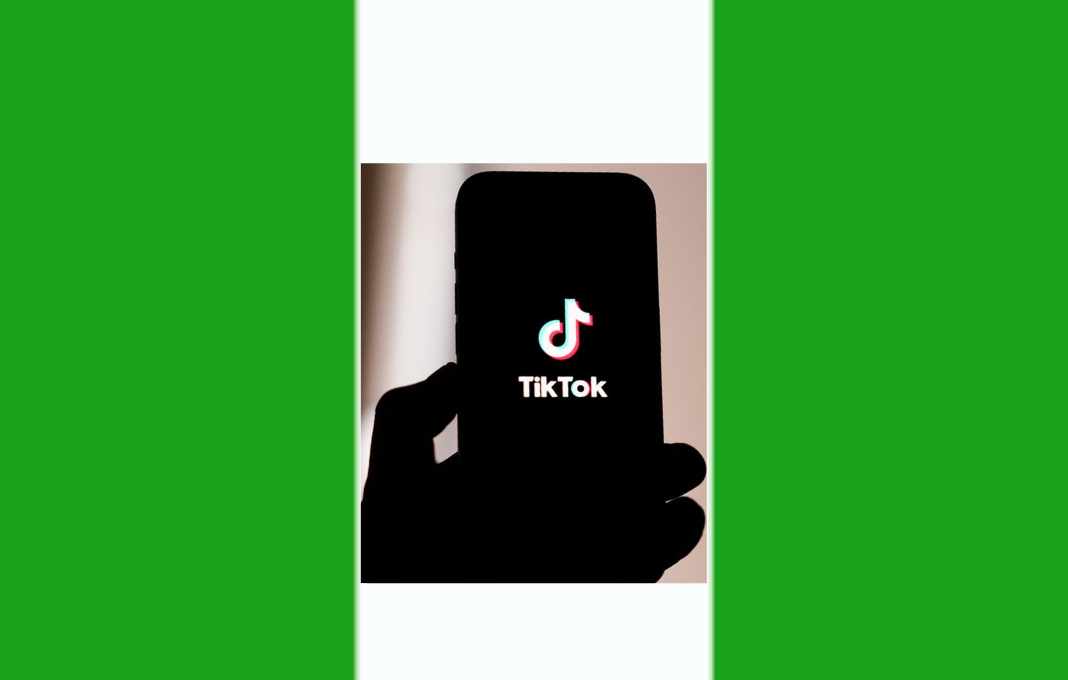
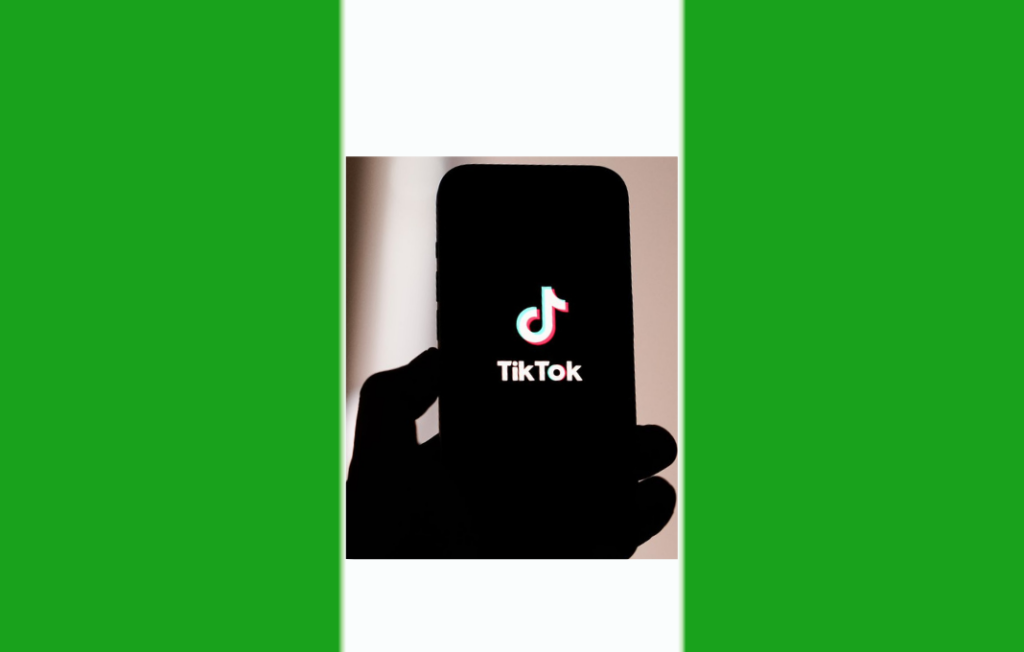
The Federal Government of Nigeria has reignited fears of a TikTok ban, with top officials warning of a possible crackdown over what they describe as the platform’s proliferation of “immoral, indecent, and subversive content.”
The threat emerged during a press briefing by the Ministry of Information and National Orientation, where Minister Mohammed Idris condemned what he called a “growing tide of filth” on social media, particularly TikTok.
“We cannot stand by while our cultural values are eroded by explicit content that glorifies nudity, promiscuity, and anti-social behavior,” Idris stated. “The government is reviewing the operations of TikTok and other platforms that serve as conduits for moral decay. Appropriate actions, including possible restrictions, are being considered.”
The statement has sparked widespread backlash, especially among Nigeria’s youth, who make up over 70% of the population and rely heavily on TikTok for entertainment, education, and income.
Youth Livelihoods at Risk
For many young Nigerians, TikTok is more than a social app; it’s a source of livelihood. From content creators to digital marketers, thousands earn income through brand deals, live gifts, and online businesses promoted on the platform.
“I’ve built a following of 120,000 people in 10 months. I make money from ads and selling skincare products,” said 23-year-old Chidinma Eze, a content creator based in Enugu. “If they ban TikTok, they’re not just blocking a site, they’re killing jobs.”
According to a 2024 report by DataReportal, Nigeria has over 30 million TikTok users, the highest in Africa. The platform has become a launchpad for music, fashion, comedy, and entrepreneurship.
Government Concerns: Morality vs. Censorship
While the government cites morality and national security as reasons for the proposed ban, critics argue it’s a veiled attempt to suppress dissent and control digital expression.
Human rights group Media Rights Agenda condemned the move, calling it “a disproportionate response that violates freedom of speech.”
“Instead of banning platforms, the government should invest in digital literacy and enforce existing laws,” said its executive director, Edetaen Ocholi. “Censorship is not the answer.”
The current threat echoes the 2020 ban of Twitter (now X), which was eventually lifted after global outcry and legal challenges.
READ ALSO: Peter Obi, Atiku, and Others condemn alleged withholding of Uguamaye’s NYSC discharge certificate
Mixed Public Reaction
Public opinion is divided. While some parents and religious leaders support the crackdown, others see it as outdated and ineffective.
“I support protecting our children,” said Pastor Samuel Adeyemi in Ibadan. “But banning TikTok won’t stop access. We need better parental guidance.”
Meanwhile, tech experts warn that a ban could prompt users to migrate to unregulated platforms, thereby increasing the risks of misinformation and cybercrime.
As of now, no official ban has been implemented. However, the Nigerian Communications Commission (NCC) has confirmed it is “in discussions with social media platforms on content moderation.”
With youth unemployment at record highs and digital platforms offering one of the few avenues for visibility and income, the proposed TikTok ban could deepen the trust gap between the government and Nigeria’s largest demographic.
For now, millions of Nigerian creators are watching closely, hoping the government chooses regulation over restriction, and dialogue over shutdown.