




How Nigeria’s Current Economic Policies Are Reshaping Citizens’ Daily Lives
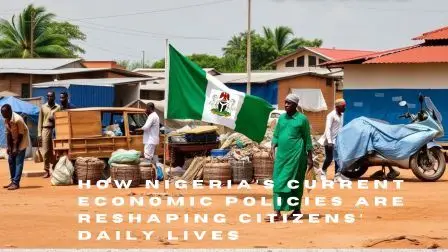
Nigeria, Africa’s largest economy, is at a crossroads. While the government continues to implement policies aimed at stabilizing and growing the economy, these measures have had profound—and often adverse—effects on the daily lives of its citizens. Nigerians are grappling with the harsh realities of economic decisions that seem disconnected from their everyday struggles, from skyrocketing inflation to reduced purchasing power. In this post, we’ll explore how Nigeria’s current economic policies are reshaping citizens’ daily lives.
The Rising Cost of Living: A Strain on Households
One of the most immediate effects of Nigeria’s current economic policies is the high cost of living. Over the past few years, inflation has tripled, leaving many cash-strapped families struggling to afford necessities like food, housing, and transportation
The removal of fuel subsidies—a move intended to reduce fiscal burdens—has led to sharp increases in fuel prices, which drive up transport costs and the prices of goods and services. For ordinary Nigerians, this means longer queues at petrol stations, higher commuting expenses, and pricier groceries.
Adding to this burden is the tightening of monetary policy. The Central Bank of Nigeria (CBN) raised interest rates dramatically—from 15.5% in October 2023 to 27.25% in September 2024.
However, instead of alleviating financial strain, these measures have further squeezed household incomes, making loans inaccessible and increasing the cost of borrowing for businesses. As a result, job creation has slowed, leaving many unemployed or underemployed amid soaring living costs.
Exchange Rate Policies and Their Ripple Effects
Another critical area where citizens feel the pinch is foreign exchange policy. Nigeria’s new administration has sought to narrow the gap between official and black-market exchange rates, aiming to stabilize the naira
While well-intentioned, this approach has created significant volatility in currency values, affecting import-dependent industries such as manufacturing and agriculture. Businesses reliant on imported raw materials now face higher operational costs, which they pass on to consumers through increased product prices.
For example, staples like rice, wheat, and cooking oil—already expensive due to global supply chain disruptions—are becoming even less affordable for average Nigerians. This worsening affordability crisis has pushed millions below the poverty line, with some analysts describing it as the worst cost-of-living crisis in nearly three decades
Security Challenges Exacerbating Economic Hardships
Compounding these issues is Nigeria’s ongoing insecurity problem. Insurgency, banditry, and farmer-herder conflicts continue to disrupt agricultural production and distribution networks, leading to food shortages and inflated prices.
When combined with economic policies that fail to address income inequality or provide adequate social safety nets, these security challenges deepen the suffering of vulnerable populations. Families already struggling to make ends meet find themselves caught in a vicious cycle of poverty and instability.
Impact on Education, Healthcare, and Quality of Life
Economic growth typically improves access to better education, healthcare, and overall quality of life. However, Nigeria’s current trajectory tells a different story. With disposable incomes shrinking and public spending constrained by fiscal deficits, essential services are taking a hit.
Schools lack resources, hospitals struggle to meet patient needs, and infrastructure development stagnates—all of which hinder long-term progress and exacerbate existing inequalities.
Moreover, rising energy prices and erratic electricity supply add another layer of difficulty for households and businesses alike 8. Without reliable power, productivity suffers, further stifling economic opportunities and perpetuating hardship.
A Call for Equitable Reforms
While Nigeria’s policymakers grapple with complex macroeconomic challenges, there is an urgent need to prioritize the welfare of ordinary citizens. Economic reforms must be accompanied by robust safeguards—such as targeted subsidies, expanded social programs, and investments in critical sectors—to cushion the impact on low-income households. Transparent governance and inclusive decision-making will also go a long way toward restoring public trust and fostering sustainable development.
In conclusion, Nigeria’s current economic policies have undeniably reshaped the daily lives of its citizens, often for the worse. From spiraling inflation and unemployment to escalating insecurity and dwindling access to essential services.
As the country looks toward the future, leaders must strike a balance between macroeconomic stability and the well-being of the people. After all, true prosperity can only be achieved when every Nigerian—not just a privileged few—can live with dignity and hope for a brighter tomorrow.