




Yelwata Market Controversy: Missionary Accuses Benue Government of ₦300M Inflated Bill
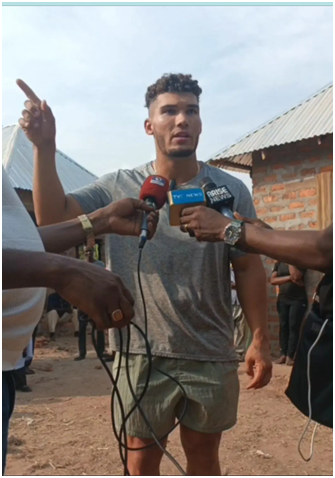
A viral video featuring American humanitarian worker Alex Barbir has ignited public debate after he alleged that Benue State officials obstructed his efforts to rebuild a market for survivors of the devastating Yelwata massacre—and subsequently presented an inflated ₦300 million construction bill for work he estimates should cost ₦50–60 million.
Barbir, founder of the U.S.-based nonprofit Building Zion, gained attention on Nigerian social media this week after sharing footage of his organization’s humanitarian intervention in Yelwata, a farming community in the Guma Local Government Area that suffered one of Nigeria’s deadliest attacks in 2025.
The Yelwata Tragedy
On June 13–14, 2025, gunmen descended upon Yelwata village, killing an estimated 150–200 residents in what human rights groups described as a coordinated assault on Christian farming communities.
The attack left the settlement nearly deserted, with survivors displaced and critical infrastructure—including homes and the community market—destroyed.
Since the massacre, Building Zion has reconstructed 35 homes for displaced families, working directly with community leaders to bypass bureaucratic delays.
However, Barbir claims his organization encountered resistance when attempting to rebuild the destroyed market, a vital economic lifeline for the agrarian community.
The Allegations
In the widely shared video, Barbir states he was initially “told not allowed to rebuild the market” by state officials who insisted the government would handle reconstruction.
He alleges that weeks later, officials forwarded architectural blueprints at a ₦300 million price tag—nearly six times the ₦60 million he believes sufficient for the project, based on comparable market rates in rural Benue communities.
“They later presented a proposal to build market shops for ₦300 million, which made no sense,” Barbir said in footage circulating on Facebook and Instagram reels.
He suggested the inflated figure reflects systemic inefficiencies in public project costing rather than actual construction requirements.
Government Response Pending
As of publication, the Benue State Government has not issued an official statement addressing Barbir’s specific allegations regarding project obstruction or cost inflation.
The state’s Rural Access and Agricultural Marketing Project (RAAMP)—a World Bank-supported initiative—continues infrastructure development across the state, though Yelwata reconstruction details remain unclear in recent public briefings.
Humanitarian Context
The allegations emerge amid broader concerns about aid delivery to Nigeria’s Middle Belt conflict zones. International organizations, including the European Union, have pledged humanitarian support for the Benue displacement crisis, while local NGOs report challenges coordinating with state agencies on reconstruction timelines.
Community advocates emphasize that timely market restoration is critical for Yelwata survivors’ economic recovery. “Without a functional market, rebuilt homes alone cannot restore dignity or livelihoods,” noted one local development worker who requested anonymity.
Conclusion
While Barbir’s housing reconstruction efforts have been visually documented and acknowledged by community members, his allegations regarding government obstruction and cost inflation remain unverified by independent auditors or state authorities.
Social media amplification of the video has intensified calls for transparent project costing and faster humanitarian response in Nigeria’s violence-affected regions.
Residents and humanitarian observers await official clarification from Benue State authorities on project approval processes and budget allocations for Yelwata’s full reconstruction.