




Dangote Refinery Raises Petrol Price by ₦100
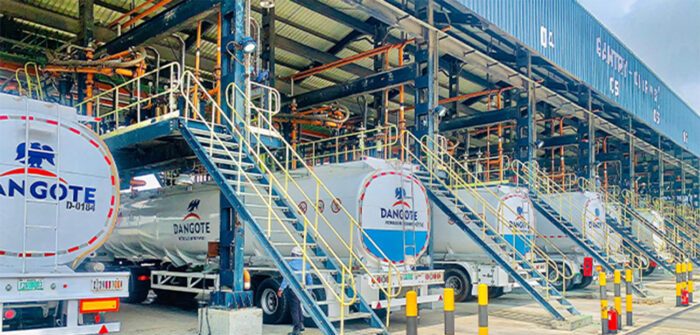
Dangote Petroleum Refinery has increased its ex-gantry price for Premium Motor Spirit by ₦100 per liter from ₦699 to ₦799 effective January 26, ending a temporary festive-season pricing arrangement that had held since mid-December.
The adjustment, confirmed by multiple fuel distribution sources, reflects rising operational costs, including crude oil prices and foreign exchange pressures. Bonny Light crude traded at $69.65 per barrel in January, exceeding Nigeria’s 2026 budget benchmark of $64.85.
Industry analysts note the refinery had maintained the lower price through the December holidays as a goodwill measure, but market realities necessitated the correction.
Crucially, Dangote sets only the ex-gantry price—the rate at which it sells fuel to marketers at its Lekki facility. It does not control nationwide retail pump prices, which are determined by marketers like MRS Oil, Ardova, and others who add transportation, depot fees, dealer margins, and local logistics costs before selling to consumers.
Following the adjustment, MRS Oil—the refinery’s primary retail partner—has reportedly set pump prices at ₦839 per litre at its outlets nationwide, reflecting a ₦40 margin between ex-gantry and retail levels. Independent marketers are expected to align prices in the coming days, though regional variations will persist based on distance from depots and local competition.
The increase arrives as Nigeria’s transport sector continues grappling with the aftermath of the 2023 subsidy removal, which saw pump prices surge from ₦185 to over ₦600 overnight. For commercial drivers and logistics operators, each ₦100 increment translates directly to higher transport fares and goods movement costs.
“Every ₦100 matters when you’re moving goods across states,” said Chinedu Okoro, a commercial driver in Oshodi. “This will definitely push fares higher before the week’s end.”
Since commencing full commercial operations in 2024, Dangote Refinery has supplied 40–50% of Nigeria’s daily petrol consumption, producing approximately 50 million litres of PMS daily. Its pricing decisions now carry outsized influence on the national fuel market—a reality drawing both praise for enhancing supply stability and criticism when prices rise.
The Central Bank of Nigeria recently projected average pump prices could hover around ₦950 per litre throughout 2026, citing crude volatility and naira depreciation. Dangote’s latest adjustment moves the market closer to that forecast, though still below projected averages.
As marketers absorb the price change and pass it to consumers, millions of Nigerians brace for another uptick in a cost-of-living crisis that shows little sign of abating—reminding citizens that in Nigeria’s deregulated fuel market, refinery gate prices and pump prices remain inextricably linked