



How to Start an Online Store in Nigeria (With Less Than ₦1 Million) and Make Real Money
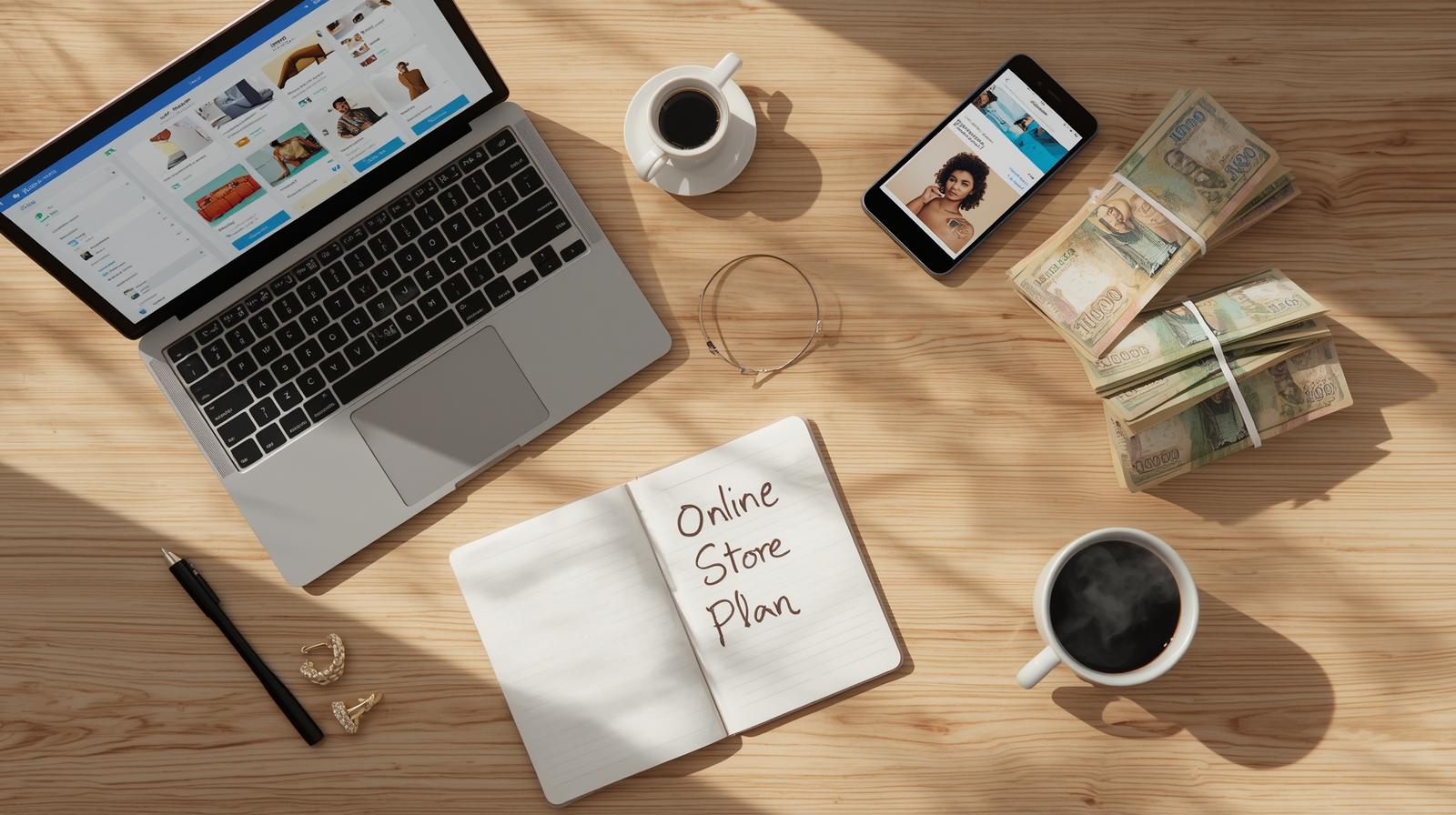
Imagine this: You’re sitting at home in Lagos, Abuja, or even a small town in Oyo—and you make your first ₦50,000 sale… without ever opening a physical shop.
Sounds too good to be true? It’s not.
Thanks to smartphones, social media, and growing internet access, e-commerce in Nigeria is booming—and you don’t need a big office, expensive rent, or even a warehouse to get started. With less than ₦1 million, you can launch an online store that earns a steady income, scales over time, and even becomes your full-time business.
What Is E-Commerce?
E-commerce simply means selling products online. That could be through Instagram, WhatsApp, Facebook, Jumia, or your own simple website. You show people what you’re selling, they pay you (via bank transfer, POS, or online payment), and you deliver it—by bike, bus, or courier.
No fancy degree needed. Just a phone, a good idea, and the willingness to serve customers well.
Why Online Selling Works in Nigeria Right Now
- Over 100 million Nigerians are online, and millions shop digitally every month.
- People are tired of traffic, crowded markets, and unreliable sellers. They want convenience.
- You can start small, test ideas, and grow without huge risk.
- Many successful online sellers began with just ₦50,000–₦200,000!
The Secret? Start With a Niche
Don’t try to sell “everything.” Instead, pick one product category that solves a real problem or meets a strong desire. Here are 3 proven, low-cost niches to consider:
1. Phone Accessories
Think power banks, cords, earphones, phone cases, and screen protectors.
- Why it works: Almost every Nigerian owns a phone, and accessories break, burnt or get lost.
- Startup Cost: ₦100,000 – ₦300,000 (buy in bulk from Alaba International Market or online suppliers like Alibaba.
- Profit Margin: 40–100%! A ₦12,000 power bank can sell for ₦20,000–₦24,000.
2. Beauty & Personal Care
Natural soaps, hair oils, skincare kits, or nail kits.
- Why it works: Nigerians spend heavily on appearance, and trust recommendations from Instagram or WhatsApp.
- Startup Cost: ₦150,000 – ₦400,000 (you can even partner with local producers).
- Tip: Offer before-and-after photos or customer testimonials—they build trust fast.
3. Home & Kitchen Essentials
Reusable bags, kitchen gadgets, LED bulbs, or cleaning tools.
- Why it works: These are practical, repeat-purchase items. Once someone likes your product, they’ll come back.
- Startup Cost: ₦200,000 – ₦500,000.
- Bonus: Bundle items (e.g., “Kitchen Starter Pack”) to increase order value.
How to Start—Step by Step (Without Wasting Money)
Step 1: Choose Your Product
Pick something you understand or use yourself. Passion helps you sell better.
Step 2: Find Reliable Suppliers
Visit markets like Computer Village (Lagos), Ariaria (Abia), or use trusted online wholesalers. Always test product quality first!
Step 3: Set Up Your “Store”
- Create a clean Instagram page or WhatsApp catalog.
- Use free tools like Canva to design product photos.
- Write clear descriptions: price, size, color, and delivery info.
Step 4: Price Smartly
Include the cost of the product + delivery + a small profit. Don’t underprice quality; customers pay for value.
Step 5: Promote Without Ads (At First)
- Share in WhatsApp groups, church/mosque groups, or school alumni networks.
- Ask happy customers to refer friends (offer a small discount as thanks).
- Post consistently 3–5 times a week.
Step 6: Deliver Excellent Service
Fast replies, honest updates, and neat packaging turn first-time buyers into loyal fans.
Real Talk: Challenges & How to Beat Them
- “People won’t pay before delivery.” → Start with cash-on-delivery in your area. Build trust first.
- “Competition is high.” → Stand out with better service, faster replies, or unique bundles.
- “I don’t know tech.” → You don’t need a website! 90% of small e-commerce businesses in Nigeria run on WhatsApp and Instagram.
Your phone isn’t just for scrolling; it’s your future storefront.
Your network isn’t just friends; it’s your first customer base.
And ₦1 million isn’t just savings, it’s your launchpad.
E-commerce isn’t about being the biggest. It’s about being consistent, reliable, and helpful. Do that, and the sales will follow.
Ready to take action?
Pick one product this week. Send a message to three suppliers. Post your first photo.
Small steps lead to big results, and your online business journey begins with just one click.
Stay with us for more practical guides: