


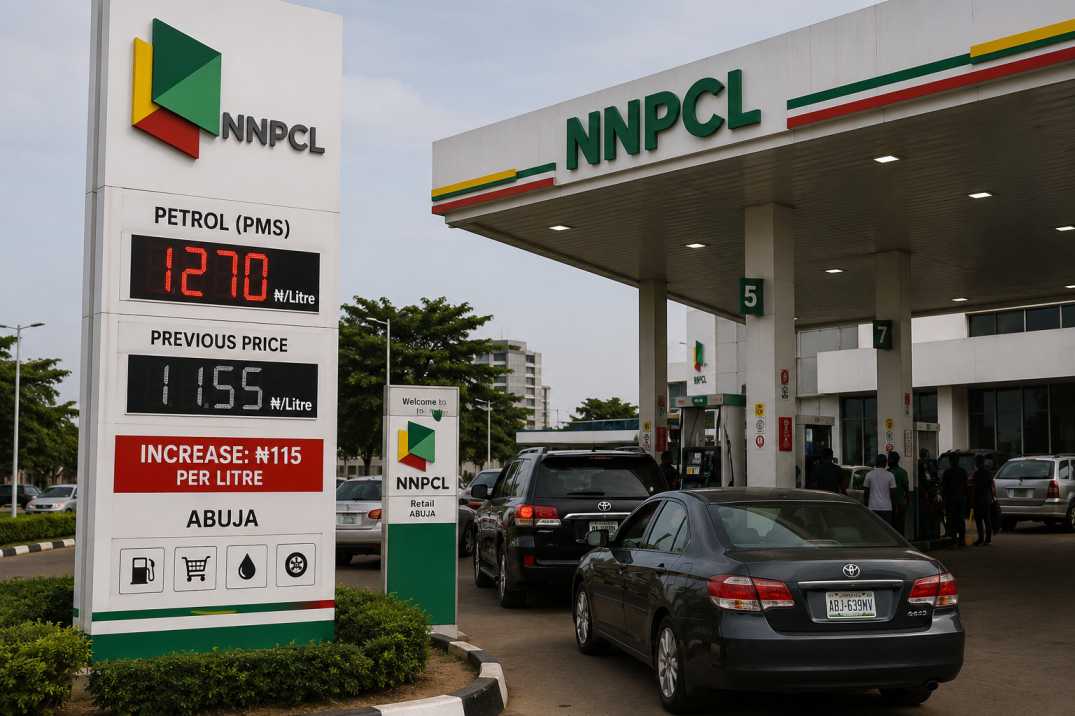

Cooking Gas Crisis Deepens: Households Struggle as Prices Soar to ₦25,000
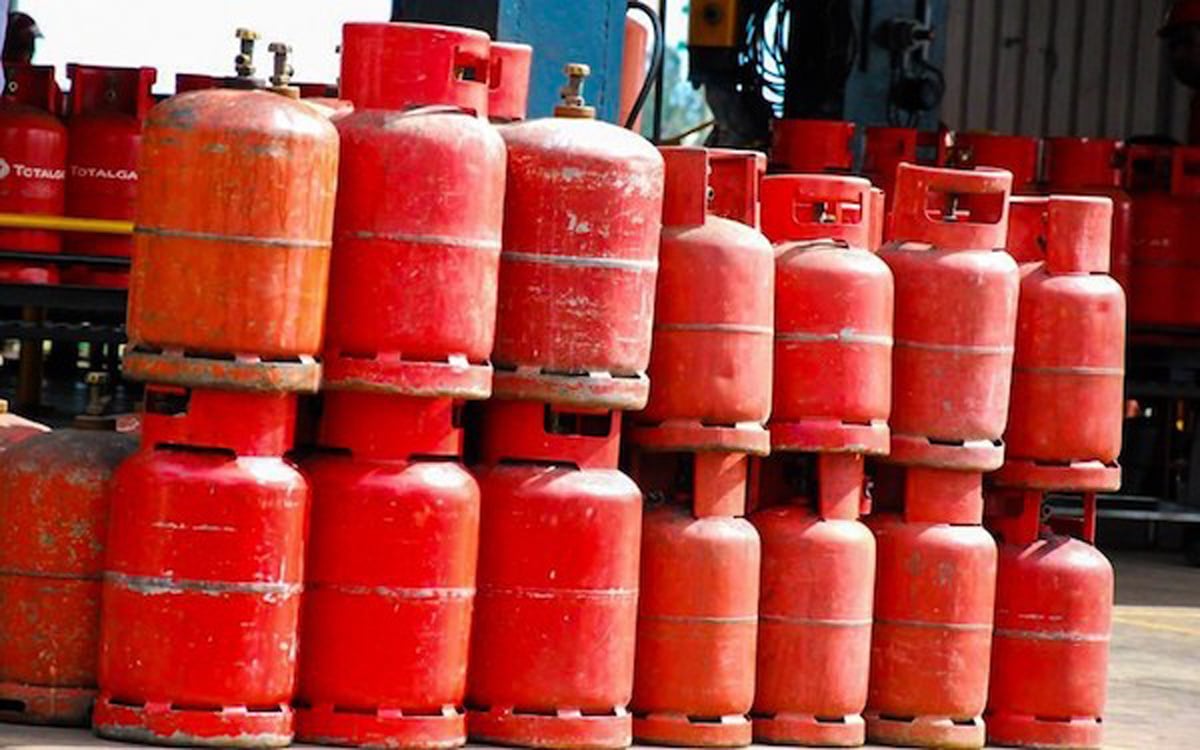
The recent spike in cooking gas prices and widespread shortages across Nigeria have been partly blamed on a disruption in supply caused by industrial action, according to industry insiders.
Bassey Essien, Executive Secretary of the Nigerian Association of Liquefied Petroleum Gas Marketers (NALPGAM), explained that the strike by the Petroleum and Natural Gas Senior Staff Association of Nigeria (PENGASSAN) severely affected distribution channels.
According to his interview with Vanguard, he noted that many retailers were unable to restock during the standoff, worsening an already tight market.
“Dangote Petroleum Refinery is now the biggest local supplier of cooking gas in the country,” Essien said. “But the PENGASSAN crisis disrupted the flow. What we’re seeing now is simply a gap between high demand and limited supply. Thankfully, with the strike resolved, we expect things to stabilise in the coming days.”
His comments come as frustrated consumers in Lagos and surrounding areas reported empty gas plants and fruitless searches across multiple locations. Many depots were completely shut on the day of the strike, forcing households to trek from one vendor to another, often returning home empty-handed.
Amid the chaos, Aliko Dangote, founder of the Dangote Group, revealed that the refinery is already producing 2,000 tonnes of LPG daily and plans to ramp up output further to close Nigeria’s energy gap. Concerned about the nation’s reliance on firewood and kerosene, he warned that if distributors fail to make gas affordable and accessible, the company may begin selling directly to consumers.
Before the Dangote Refinery came online, Nigeria’s cooking gas needs were largely met by Nigeria LNG Limited (NLNG). In a recent statement, NLNG reaffirmed its commitment to powering Nigerian homes with clean energy.
Since 2007, through its Domestic LPG (DLPG) scheme, the company has steadily increased the share of butane reserved for local use—reaching 100% of its butane production dedicated to the domestic market by 2022.
To get the product closer to users, NLNG supplies butane to approved partners through coastal LPG terminals in Lagos and Rivers States, with plans to expand into Delta and other regions. The company has also chartered a dedicated vessel to ensure consistent deliveries, aiming to make cooking gas “more available, accessible, affordable, and acceptable” nationwide.
Yet despite these efforts, the gap between supply and real-time demand remains wide, leaving ordinary Nigerians to bear the brunt as prices climb past ₦25,000 per cylinder. For now, many families are caught between a gas-rich nation and an empty stove.