



Goodluck Jonathan’s 2015 Election Legacy: The Man Who Lost Power but Won Respect
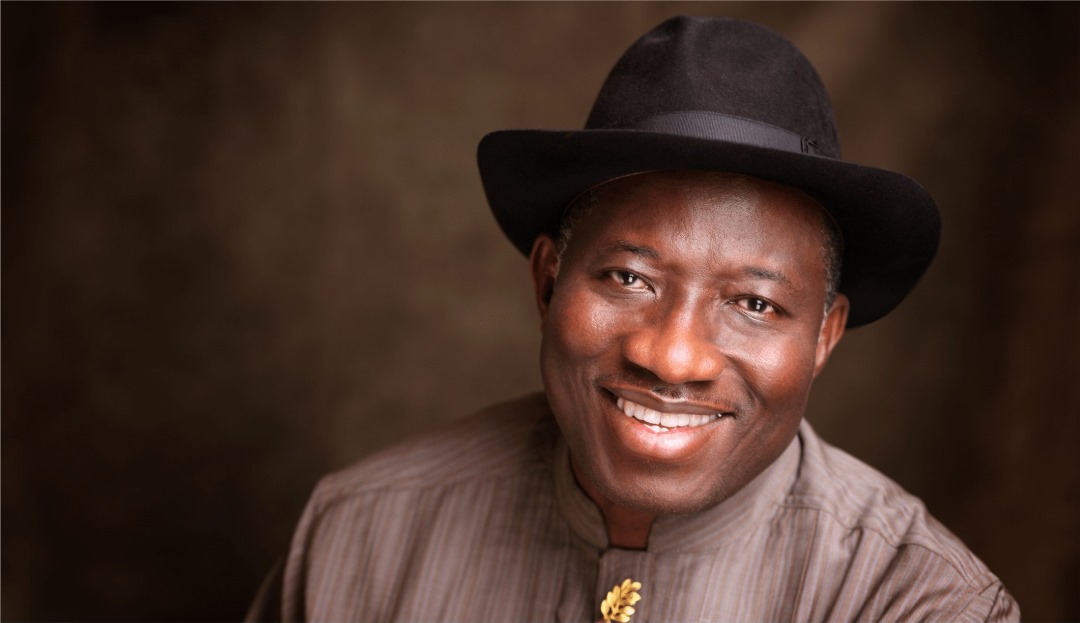
Eleven years after the historic 2015 presidential election, Goodluck Jonathan’s defeat by Muhammadu Buhari remains one of the most defining moments in Nigeria’s democratic journey.
While it marked the end of his presidency, it cemented a legacy far greater than many of his critics predicted.
On March 28, 2015, Buhari of the newly formed All Progressives Congress (APC) defeated the incumbent Jonathan of the Peoples Democratic Party (PDP) with approximately 54% to 45% of the votes.
It was the first time a sitting Nigerian president lost re-election at the ballot.
Why He Lost
Jonathan’s defeat stemmed from several factors: the escalating Boko Haram insurgency (including the Chibok girls’ abduction), widespread perceptions of corruption, economic hardship amid falling oil prices, fuel scarcity, and internal PDP fractures that led to major defections to the APC.
Many voters bought into the APC’s “Change” message, viewing Jonathan as a weak, indecisive leader despite some economic growth under his watch.
Enduring Positive Legacy
Yet, history has been kinder to Jonathan on the democratic front. His actions earned international acclaim and transformed his image from a struggling president to a statesman.
Post-2015, he has been celebrated for promoting credible elections, peace-building, and democracy across Africa through observation missions and advocacy.
In Nigerian politics, where incumbents rarely lose, Jonathan’s 2015 legacy is dual: a reminder of accountability through the ballot and a model of statesmanship in defeat.
As speculation swirls around 2027, many still point to that phone call as his finest hour—one that strengthened Nigeria’s democracy more than his presidency perhaps could.