



Tinubu’s Power Pledge and Nigeria’s Unmet Promises: A Case for Electoral Accountability
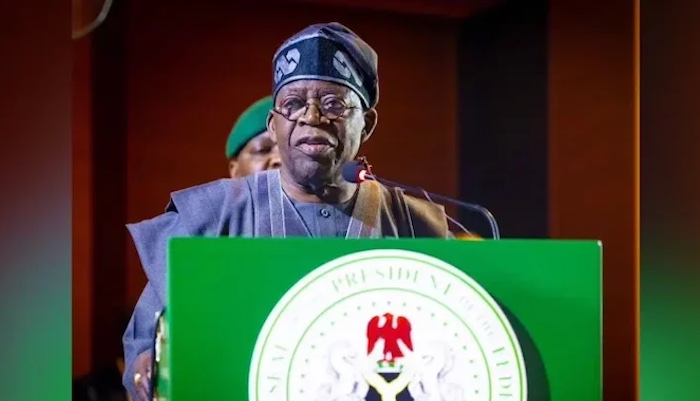


In December 2022, then-presidential candidate Bola Tinubu pledged that he would later become a defining benchmark for his administration: “If I don’t give you constant electricity for 4 years, don’t vote for me when I come back for a second term.”
As Nigeria approaches the 2027 electoral cycle, that promise has resurfaced with renewed urgency amid persistent blackouts and a deteriorating security landscape.
For many Nigerians, the gap between campaign rhetoric and lived reality raises a fundamental question of electoral accountability.
The Power Sector: A Promise Unfulfilled
President Tinubu’s electricity pledge was unequivocal. In the resurfaced campaign video, he stated: “Whichever way, by all means necessary, you will have electricity… If I don’t keep the promise and I come for a second time, don’t vote for me. Unless I give you adequate reasons why I couldn’t deliver.”
The current data present a stark contrast to that commitment. According to the Nigerian Electricity Regulatory Commission (NERC), grid-connected power plants delivered an average of just 4,384 megawatts in February 2026—a mere 32% of Nigeria’s estimated 13,625 MW installed capacity.
This represents a decline from approximately 5,285 MW recorded in February 2024, driven largely by chronic gas supply constraints and a staggering N6.8 trillion debt overhang across the power value chain [[FIJ]].
While the administration has approved a N3.3 trillion payment plan to address sector debts, the Minister of Power cites over $2 billion in new investments; these measures have yet to translate into reliable power for households and businesses. For millions of Nigerians still dependent on costly petrol generators, the promise of “constant electricity” remains an abstraction.
Security: A Crisis of Capacity and Confidence
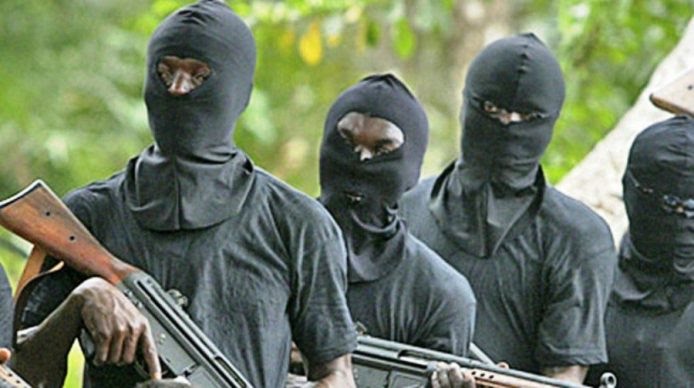
Parallel to the power crisis, Nigeria’s security environment has shown troubling signs of deterioration. An independent assessment by SDGAi, analyzing data from January-February 2026, concludes that the country is “experiencing a pronounced deterioration in its security environment,” marked by intensified attacks deliberately targeting civilian populations.
The report notes that Islamist-related violence accounted for over 85% of such incidents in 2025, with Borno State bearing the heaviest concentration of attacks.
Incidents recorded in early 2026 include the kidnapping of over 160 people from churches in Kaduna State and multiple ambushes on military convoys. The assessment underscores a “fundamental lack of state preparedness” across both counterterrorism operations and civilian protection measures.
While the Tinubu administration has reaffirmed its commitment to tackling insecurity through coordinated national and international efforts, the persistence of attacks on civilians suggests that current strategies have not yet achieved the decisive breakthrough many Nigerians anticipated.
The Accountability Question
Democratic governance rests on the principle that leaders are answerable for their promises. When a candidate explicitly ties their re-election bid to a measurable outcome—such as constant electricity—they invite voters to use that metric as a basis for judgment.
This is not merely about partisan criticism. It is about whether a leader who staked his political future on a specific deliverable has met the standard he himself established. The data on power generation and security incidents does not support a conclusion that the pledge has been fulfilled.
Proponents of the administration rightly point to structural reforms, debt settlement plans, and ongoing investments as evidence of progress. Yet for the average citizen enduring daily blackouts or fearing attacks on their community, policy announcements offer little consolation. Electoral accountability requires evaluating outcomes, not just intentions.
A Choice for 2027
As Nigeria looks toward 2027, the resurfacing of Tinubu’s electricity pledge is more than a political talking point—it is a reminder of the social contract between leaders and citizens. If a president asks to be judged by a specific promise, voters have both the right and the responsibility to apply that standard.
The challenges of power and insecurity are complex, rooted in decades of systemic failure. No single administration can resolve them overnight. But when a leader voluntarily sets a clear, time-bound benchmark for success, and that benchmark remains unmet, the democratic response is not cynicism—it is scrutiny, debate, and ultimately, an informed choice at the ballot box.
Nigerians deserve a future with reliable electricity and safety. Whether that future is best advanced by re-electing the current leadership is a question each voter must answer—not based on rhetoric, but on evidence, experience, and the promises that were made.