


Why “Quiet Luxury” Is Just Privilege in a Cashmere Sweater — And Who It Leaves Behind

In 2025, the pinnacle of men’s fashion style isn’t loud logos or neon sneakers. It’s a perfectly cut navy blazer with horn buttons. It’s buttery-soft calfskin loafers worn without socks. It’s a watch that costs more than a used car but tells time with such understatement you’d never know unless you knew.
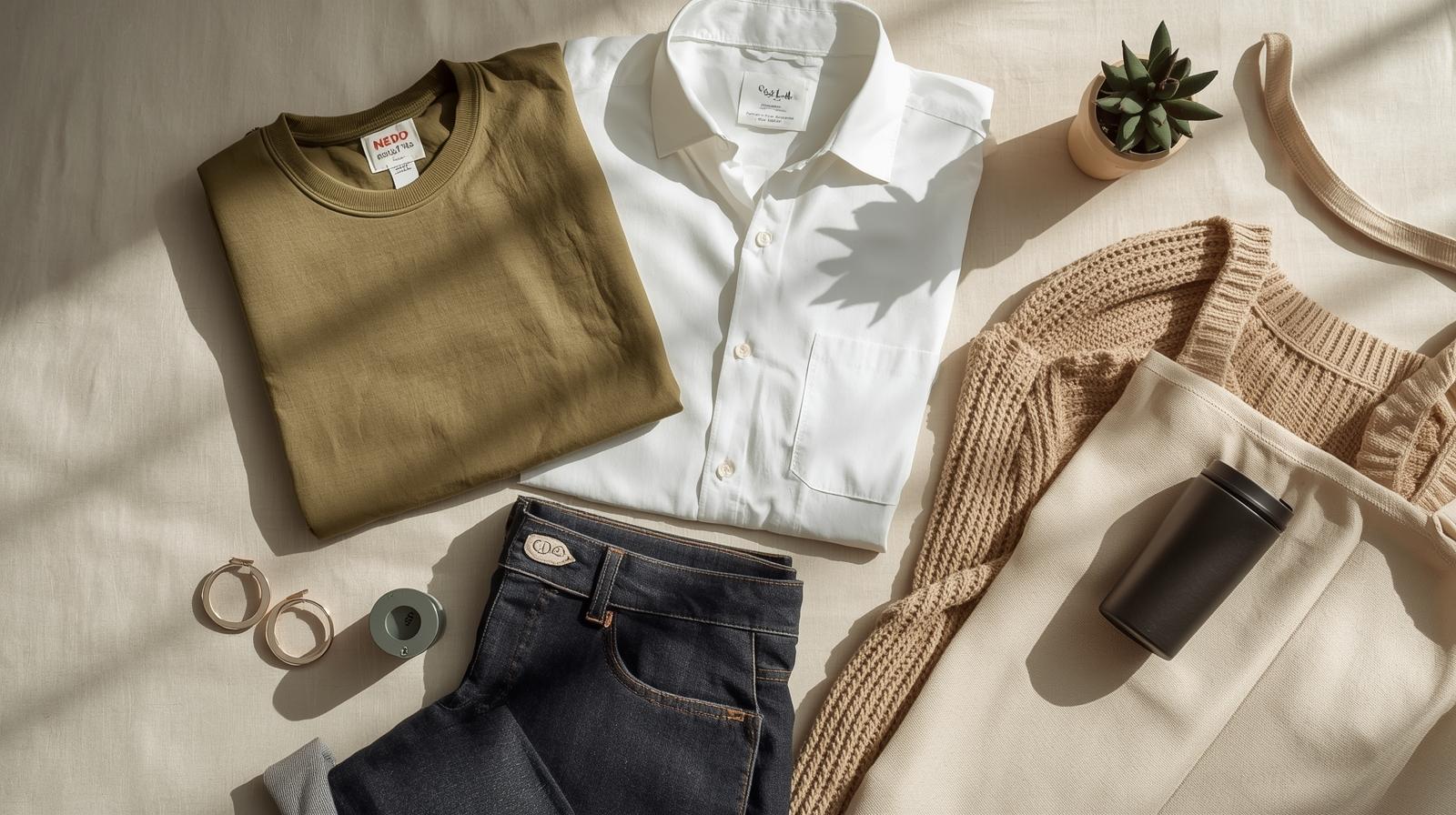
This is the era of quiet luxury, a movement that champions restraint, heritage craftsmanship, and timeless aesthetics over flash. On the surface, it’s admirable: a rejection of fast fashion, a return to quality, a visual language of confidence without clamor.
As someone who values sophistication, comfort, and authenticity in clothing, especially as a man in his late 40s or early 50s, I understand its appeal deeply. My own wardrobe leans into this ethos: a biro blue suit, fine merino knits, shoes that mold to my stride over years, not seasons.
But here’s the uncomfortable truth we rarely discuss: quiet luxury isn’t just a style. It’s a social signal and one that’s increasingly inaccessible, exclusionary, and quietly elitist.
The Myth of Merit in Minimalism
Quiet luxury positions itself as a moral high ground. “I don’t need logos to prove my worth,” the wearer seems to say. “I invest in pieces that last.” There’s integrity in that. But this narrative conveniently ignores the economic reality: true quiet luxury is prohibitively expensive.
A single tailored jacket from a heritage Italian house can cost $3,000. A pair of hand-stitched oxfords is worth $425. Even “entry-level” quiet luxury, like a $350 cotton popover or $200 selvedge jeans, is far beyond the reach of most working men, let alone those raising families or navigating economic uncertainty.
Yet, in fashion media and social discourse, these pieces are often framed not as luxuries but as basics. “Every man should own a well-cut navy blazer,” goes the refrain as if $1,200 were as trivial as a tank of gas. This framing erases the fact that for many, choosing between rent and a suit isn’t hypothetical, it’s a monthly reality.
The Aesthetic of Exclusion
More insidiously, quiet luxury has become a visual code for belonging to a certain class. In boardrooms, country clubs, and private member lounges, dressing “quietly” signals you’re in the know that you understand the unspoken rules of taste, timing, and texture. It’s a gatekeeping mechanism disguised as refinement.
Consider how men who can’t afford this aesthetic are perceived. A man in a well-worn suit from a department store? “Tries too hard.” Someone in clean but affordable chinos and a polo? “Lacks polish.” Never mind that both may be equally competent, dignified, or hardworking. Their clothes are judged not by function or care, but by their deviation from a narrow, expensive ideal.
This is where quiet luxury crosses from personal preference into aesthetic elitism, a system that rewards not just taste, but access to generational wealth, inherited knowledge of tailors, or the leisure to curate a minimalist wardrobe while working one job instead of two.
The Irony of “Effortless” Style
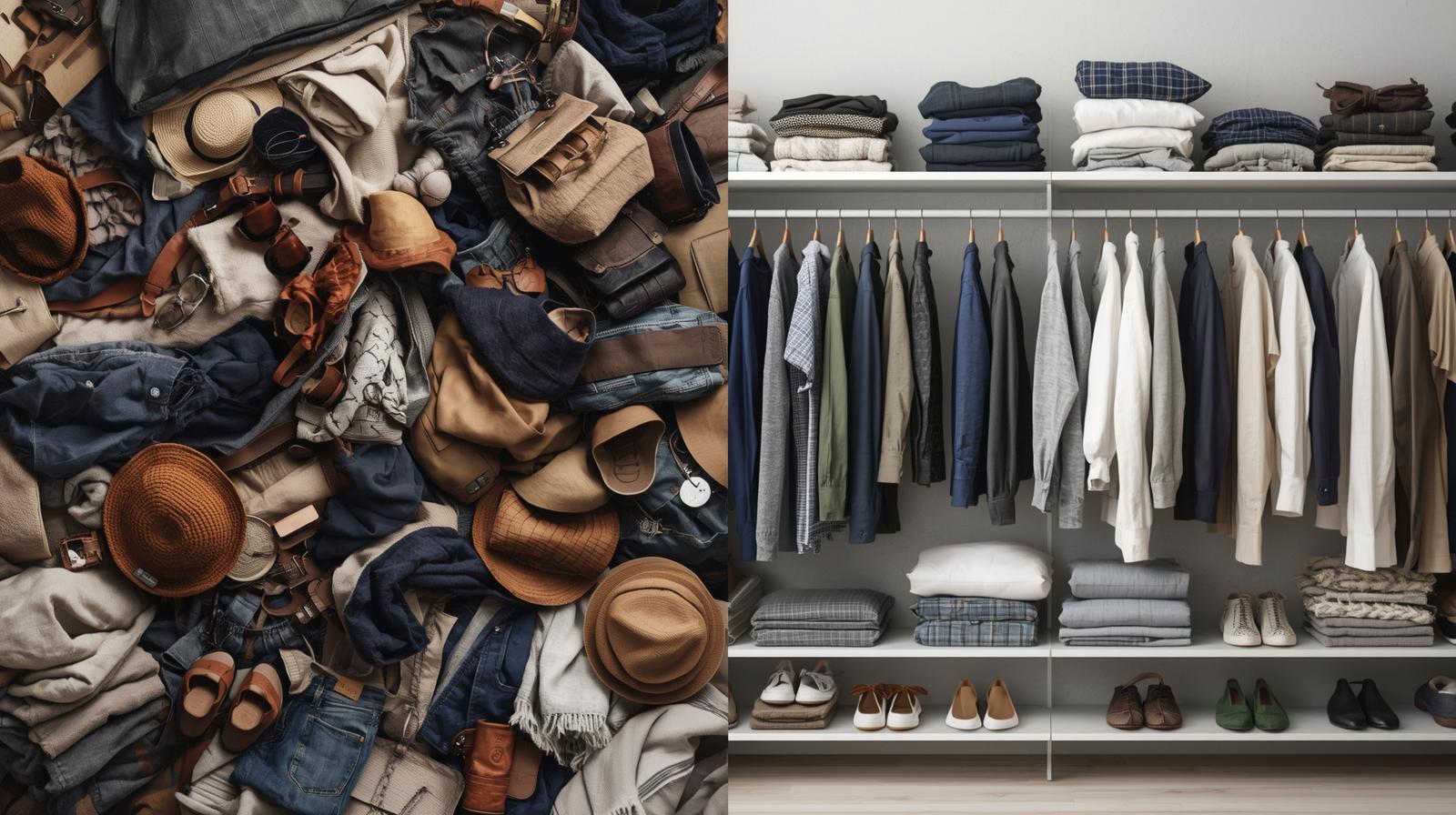
There’s also a profound irony in calling this look “effortless.” Nothing about quiet luxury is effortless. It requires hours of research, fittings, alterations, and maintenance. It demands climate-controlled closets, cedar shoe trees, and cashmere brushes. It assumes laundry isn’t done in a shared basement unit but by a dry cleaner who knows your name.
ALSO READ How to Build a Capsule Wardrobe on a Budget: Smart Picks That Mix & Match
10 Must-Have Wardrobe Staples for Effortless Style in 2025
For the man working a 12-hour shift, raising kids alone, or rebuilding after financial hardship, effortless style is a luxury of time as much as money, and both are in short supply.
The Irony of “Effortless” Style
There’s also a profound irony in calling this look “effortless.” Nothing about quiet luxury is effortless. It requires hours of research, fittings, alterations, and maintenance. It demands climate-controlled closets, cedar shoe trees, and cashmere brushes. It assumes laundry isn’t done in a shared basement unit but by a dry cleaner who knows your name.
For the man working a 12-hour shift, raising kids alone, or rebuilding after financial hardship, effortless style is a luxury of time as much as money and both are in short supply.
Reclaiming Authenticity Without Exclusion
None of this is to say that valuing quality, craftsmanship, or understated elegance is wrong. These are noble ideals. But we must ask: Can quiet luxury evolve beyond being a badge of privilege?
Perhaps the next frontier isn’t just owning fewer, better things but redefining what “better” means. Better could mean:
- Ethical transparency, not just heritage branding
- Adaptive design that fits diverse bodies and lives
- Timeless cuts offered at multiple price points
- Community repair programs that extend garment life
- Celebrating dignity in all forms of care whether you hand-wash a $50 shirt or dry-clean a $1,000 coat
True sophistication isn’t just in the fabric, it’s in the awareness of who gets to wear it, and who doesn’t.
Conclusion
As men who value quiet strength, serenity, and emotional honesty, we have a responsibility to examine the systems our aesthetics uphold. Loving a beautifully made suit doesn’t make you elitist but ignoring who’s excluded from that world does.
Let’s champion quality without condescension. Let’s admire craftsmanship without assuming moral superiority. And let’s remember: the most elegant man in the room isn’t the one in the most expensive clothes, but the one who makes everyone else feel seen.
Because real luxury isn’t silence.
It’s inclusion.
What do you think? Is quiet luxury a worthy ideal or a velvet rope in disguise? Share your thoughts below. (And if you’ve built a dignified wardrobe on a budget, tell us how you might just redefine the movement.)
DISCLOSURE: As an Amazon Associate, I may earn a small commission from qualifying purchases at no additional cost if you click on an affiliate link and make a purchase. These commissions help support the maintenance and growth of this blog, allowing me to continue providing valuable content to my audience.
All the links above are ones I’ve personally checked for fit, fabric, and value, so you can shop with confidence. Thanks for supporting my blog!