




Nurses Strike: Patients Stranded in Nigerian Hospitals
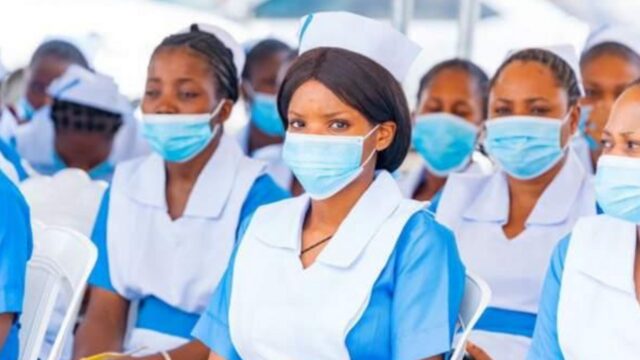
Thousands of patients across Nigeria are caught in the crossfire of a growing healthcare crisis as the Nigerian Association of Nigerian Nurses and Midwives (NANNM) launched a nationwide strike on Thursday, July 30, 2025, over unresolved demands for better working conditions, salary reforms, and improved safety in public hospitals.
This followed the expiration of a 15-day ultimatum issued by the nursing body to the federal government across the country.
The strike, which has affected federal healthcare facilities, has left critically ill patients without access to essential care, raising alarm among medical professionals, families, and human rights advocates.
Hospitals Paralyzed, Patients in Distress
At the Lagos University Teaching Hospital (LUTH), pregnant women sat on benches outside maternity wards, clutching their stomachs in pain.
In the University of Nigeria Teaching Hospital (UNTH), Enugu, dialysis patients were turned away. At Aminu Kano Teaching Hospital, relatives of ICU patients pleaded with security guards for access to nurses who have now joined the protest.
“We’ve been here since 5 a.m. My sister is bleeding. The doctors are around, but there’s no nurse to assist,” said Amina Yusuf, 34, whose younger sister was in labor at a secondary hospital in Kaduna. “They said nurses are on strike. What about our lives?”
The strike follows weeks of failed negotiations between NANNM and the Federal Ministry of Health, with nurses citing overwork, understaffing, delayed salaries, and rising cases of violence against healthcare workers as key reasons for the industrial action.
Nurses Demand Safety, Dignity, and Fair Pay
In a press statement from NANNM National President, Comrade (NR) Haruna Mamman, the union emphasized that the strike was a last resort.
“We are not abandoning our patients lightly. But for too long, nurses in Nigeria have worked in unsafe environments, with outdated equipment, and without fair compensation.
We are demanding a comprehensive review of the nursing salary structure, protection against workplace violence, and the implementation of the 2021 Health Sector Revitalization Plan.”
According to the Nursing and Midwifery Council of Nigeria (NMCN), the country has a nurse-to-patient ratio of 1:2,500, far below the WHO-recommended 1:1,000. Many nurses work 12- to 16-hour shifts with minimal breaks, increasing burnout and medical errors.
Government Responds: “Dialogue, Not Disruption”
Reacting to the strike, the Minister of Health, Prof. Muhammad Ali Pate, urged nurses to return to work while negotiations continue.
“We understand the grievances, but the health of our citizens must not be held hostage. The Federal Government remains committed to resolving all outstanding issues, but we call on NANNM to suspend the strike and resume talks immediately.”
However, NANNM has insisted the strike will continue until a binding agreement is reached with both federal and state governments, as healthcare delivery is a shared responsibility under Nigeria’s constitution.
Regional Impact: From South to North
The strike is being felt nationwide, with varying intensity across states.
READ ALSO: ABORTION: FACT, CHOICES AND CONVERSATION WE ALL NEED
Southwest (Lagos, Oyo, Ogun): Over 70% of public hospitals report minimal nursing staff. Southeast (Enugu, Anambra, Abia): Maternal and child health services severely disrupted. Northwest (Kano, Kaduna, Sokoto): Emergency care is limited; vaccine programs are delayed.
Northeast (Borno, Adamawa): Already fragile health systems are under further strain amid ongoing humanitarian needs.
In Abuja, the National Hospital remains partially operational, with only emergency and intensive care units staffed by skeleton crews. Meanwhile, private hospitals are reporting a surge in patient inflow, but many cannot afford the higher costs.