



Abortion: Facts, Choices, and the Conversation We All Need
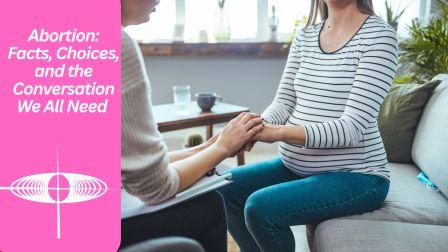
Abortion is one of the most emotionally charged and complex issues in modern society. It touches on deeply personal, medical, ethical, legal, and religious dimensions, making it a topic that often divides rather than unites.
Yet, for millions of women around the world— including in Nigeria — abortion is not just a political debate or moral dilemma; it’s a real-life decision, often made under difficult circumstances.
This post aims to provide an unbiased, informative overview of abortion — what it is, why women choose it, the laws surrounding it (especially in Nigeria), and the broader conversation we all need to be part of.
What Is Abortion?
An abortion is a medical procedure that ends a pregnancy so that it does not result in the birth of a child. There are two main types:
1. Medical Abortion
This involves taking prescribed medications (like mifepristone and misoprostol) to end a pregnancy. This medication can be used up to 10 weeks into pregnancy, and is often referred to as the “abortion pill.“
2. Surgical Abortion
The surgical abortion involves minor surgical procedures such as vacuum aspiration or dilation and curettage (D&C). Trained healthcare professionals in clinics or hospitals perform the procedure.
Surgical abortions can be done during the first or second trimester. Both methods are safe when performed legally and under the proper supervision of a qualified medical professional.
When Is Abortion Legal in Nigeria?
In Nigeria, abortion is heavily restricted under the country’s criminal code, with only a few exceptions: “Abortion is only permitted when the life of the mother is at risk, and even then, it must be carried out by a licensed medical professional.”
However, this law is not uniformly enforced, and many women still seek unsafe, illegal abortions due to lack of access, stigma, or financial constraints.
According to the World Health Organization (WHO), complications from unsafe abortion contribute significantly to maternal deaths in Nigeria, making it a serious public health concern.
Why Do Women Choose Abortion?
The reasons women decide to have an abortion vary widely and are rarely taken lightly. Common factors include:
- Unintended pregnancy due to contraceptive failure or lack of access
- Health risks to the mother or fetus
- Economic hardship or inability to support a child
- Sexual assault or incest
- Personal readiness — feeling unprepared for parenthood
A 2021 study published in The Lancet found that the majority of women who choose abortion do so because they feel it’s the best option given their current life situation.
It is essential to recognize that behind every statistic lies a human story, often marked by fear, pressure, and a desire for a better future.
The Moral and Ethical Debate
Abortion sits at the intersection of personal freedom, bodily autonomy, religious beliefs, and human rights.
Some believe “A woman has the right to make decisions about her own body.” Others argue that “Life begins at conception, and abortion is equivalent to ending a human life.”
These perspectives fuel ongoing debates worldwide, particularly in countries such as the United States, Ireland, and Poland, where laws have undergone significant changes in recent years.
What remains clear is that polarizing views often silence the voices of those directly affected — the women involved.
The Dangers of Unsafe Abortion
Globally, nearly 45% of all abortions are considered unsafe, and 97% of these occur in developing regions like sub-Saharan Africa.
In Nigeria, many women turn to quack doctors, herbal concoctions, or self-induced methods, which can lead to severe complications such as severe bleeding, infections, infertility, organ damage, and even death
Legal restrictions don’t stop abortions; they push them underground, endangering lives.
Supporting Women Through Difficult Decisions
Rather than focusing solely on whether abortion should be legal or not, we should ask, “How can we support women in making informed, safe choices?” Ways to help include:
- Providing comprehensive sex education in schools
- Improving access to affordable contraception
- Offering counseling and mental health support
- Ensuring access to safe, legal medical care
- Reducing stigma through open, non-judgmental conversations
When women are empowered with knowledge, resources, and support, they’re more likely to make healthier decisions for themselves and their families.
A Global Perspective
Abortion laws vary widely across the world
| COUNTRY | ABORTION ACCESS |
| Canada | Abortion Access |
| Germany | Legal on request |
| Brazil | Legal within first trimester |
| Nigeria | Legal only to save the mother’s life |
| South Africa | Legal up to 20 weeks under certain conditions |
As attitudes evolve globally, there’s growing recognition that criminalizing abortion doesn’t prevent it; it only makes it dangerous.
Let’s Talk Openly and Honestly
Abortion is not a black-and-white issue. It’s nuanced, emotional, and deeply personal.
Instead of shouting over each other, let’s start listening to the women who’ve gone through it, the families affected by it, and the healthcare workers trying to keep people safe.
ALSO READ: Miscarriage vs. Abortion – What You Should Know
Let’s talk openly. Let’s talk honestly. And above all, let’s work toward a future where no woman feels forced to risk her life to make a choice.
📢 Join the Conversation: Have thoughts on this topic? Share your perspective below, respectfully and compassionately. Your voice matters.
Leave a comment: What do you think needs to change regarding abortion access and awareness in Nigeria?
DISCLOSURE: As an Amazon Associate, I may earn a small commission from qualifying purchases at no additional cost if you click on an affiliate link and make a purchase. These commissions help support the maintenance and growth of this website, allowing me to continue providing valuable content to my readers.
Please note that I only recommend products or services that I believe are helpful, relevant, and of value to my audience. My opinions are genuine, and all product recommendations are based on my research or personal experience.
Thank you for being so supportive! Your trust means everything to me, and I truly appreciate your visits and purchases through these affiliate links.