


YRC Calls for Nationwide Protest, Urges NLC and TUC to Back Mass Action
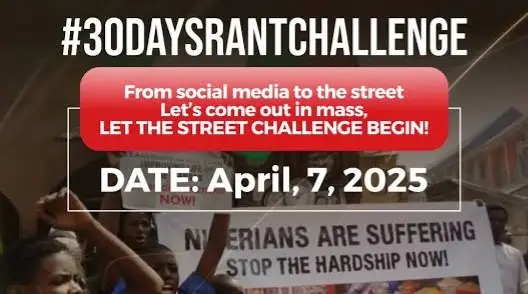
The Youth Rights Coalition (YRC), a prominent youth advocacy group, has called for a nationwide protest against the administration of President Bola Ahmed Tinubu. In a bold move, the coalition has appealed to the Nigeria Labour Congress (NLC) and the Trade Union Congress (TUC) to join forces in organizing mass action to express widespread dissatisfaction with the government’s policies and leadership. The announcement comes amid growing public discontent over rising living costs, unemployment, and perceived mismanagement.
In a press conference, YRC leaders outlined their grievances against the Tinubu government, citing what they described as “anti-people policies” that have exacerbated the economic hardships faced by Nigerians. Key issues highlighted include skyrocketing inflation, fuel shortages, erratic power supply, and the removal of subsidies on petroleum products—policies that the coalition claims disproportionately affect low-income households and the youth population.
“The suffering of Nigerians under this administration has reached an unbearable level,” said Francis Nwapa, National Coordinator of the YRC. “We are calling on all patriotic citizens to rise and demand accountability from a government that seems more interested in serving itself than serving the people.”
The YRC also accused the Tinubu administration of failing to fulfill its campaign promises, particularly those related to job creation, education reform, and infrastructure development. They emphasized that young people, who make up a significant portion of Nigeria’s population, feel abandoned and disillusioned by the current state of affairs.
To amplify their message, the YRC has urged the NLC and TUC—the country’s two largest labor unions—to support the planned protests. These organizations have historically played pivotal roles in mobilizing workers and citizens during periods of national crisis, including strikes against previous administrations over similar socio-economic challenges.
“We cannot fight this battle alone,” Nwapa stated. “The NLC and TUC represent millions of workers across Nigeria. Their support is crucial if we are to send a strong message to the government that enough is enough.”
While neither union had issued an official response at the time of writing, insiders suggest that discussions are underway regarding potential collaboration. Past efforts led by the NLC and TUC have successfully pressured governments into reversing unpopular decisions, most notably during fuel subsidy debates in prior administrations.
If successful, the proposed nationwide protests could mark one of the largest displays of civil resistance since President Tinubu assumed office. Analysts warn that such demonstrations might further strain relations between the government and its citizens, potentially leading to increased tensions or unrest.
Security agencies have already begun preparing for possible disruptions, with reports indicating heightened police presence in major cities ahead of the planned protests. However, human rights groups have cautioned authorities against using excessive force, urging them to engage in dialogue with protesters.
In response to mounting criticism, representatives of the Tinubu administration defended their policies, arguing that difficult but necessary measures were being implemented to stabilize the economy and attract foreign investment. Finance Minister Adebayo Olawale Edun reiterated that subsidy removal was aimed at freeing up resources for critical infrastructure projects, while other initiatives sought to create long-term growth opportunities.
Despite these assurances, many Nigerians remain doubtful, noting the increase in the price of food items in the markets, unaffordable healthcare, and crumbling roads as evidence of systemic failure.
Social media platforms have been abuzz with reactions to the YRC’s call for protests. Hashtags like #ProtestAgainstTinubu and #EnoughIsEnough have trended nationwide, reflecting widespread frustration among citizens. Some users expressed skepticism about the effectiveness of protests, citing past experiences where little tangible change resulted from mass actions. Others, however, voiced optimism that unity among different segments of society—including youths, workers, and civil society organizations—could yield meaningful outcomes.
“This isn’t just about YRC; it’s about every Nigerian who wants a better future,” tweeted Oby Ezekwesili, a popular activist. “Let’s stand together and hold our leaders accountable.”
As momentum builds for the nationwide protests, questions linger about whether the NLC and TUC will heed the YRC’s call and how the government will respond to escalating demands for reform. What is clear, however, is that Nigerians are increasingly unwilling to remain silent in the face of adversity.
For now, the streets await—not only as avenues of protest but as symbols of hope for a nation yearning for change.