




Why Muscle Matters When Taking GLP-1 Medications
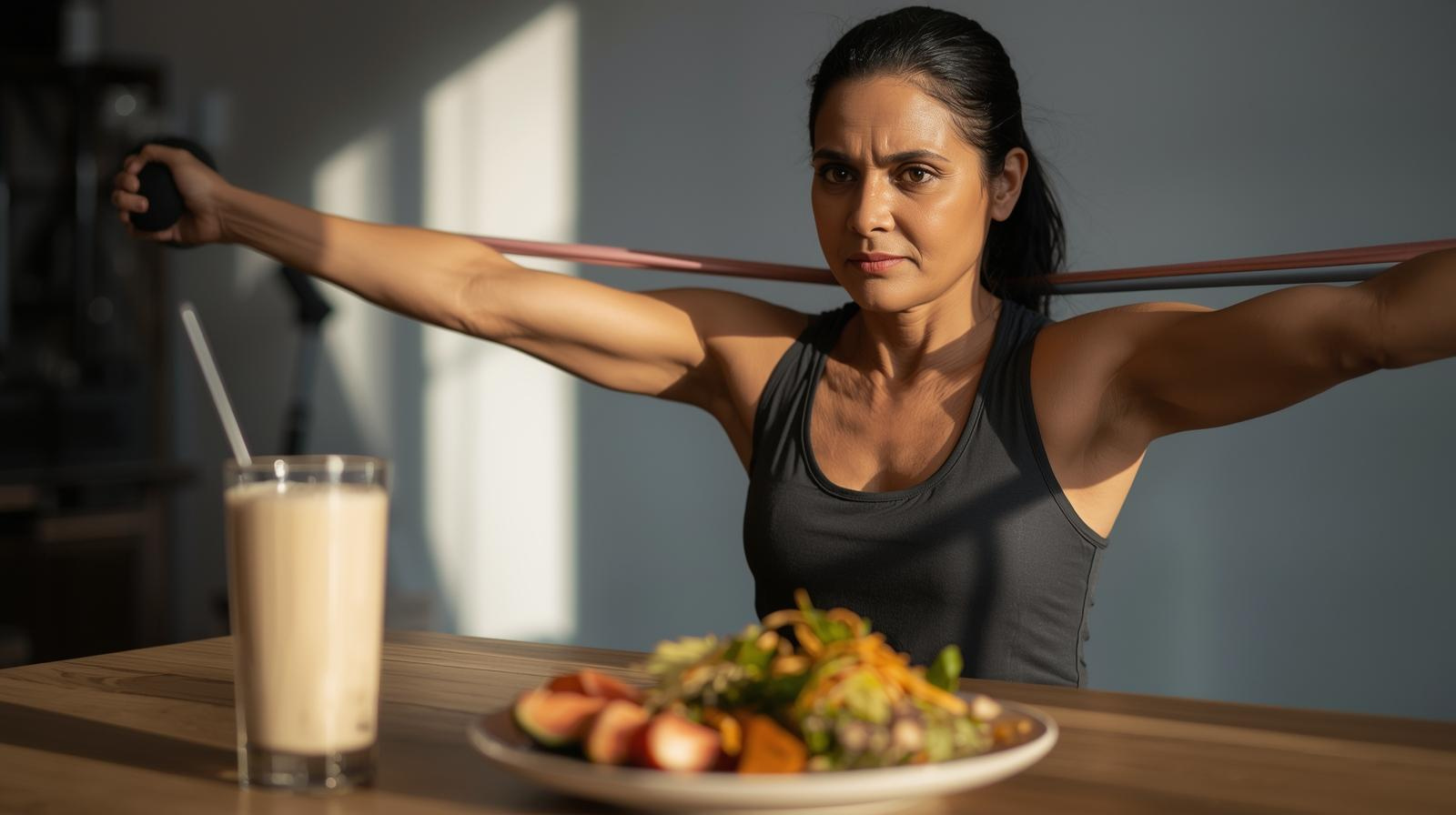
Sarah lost 38 pounds on her GLP-1 medication. Her clothes fit better, her blood sugar stabilized, and her doctor praised her progress. But something felt off. Climbing stairs left her winded. Carrying groceries strained her arms. At 52, she felt weaker—not stronger—despite the number on the scale dropping.
Sarah’s experience reflects a quiet crisis emerging alongside the GLP-1 revolution: unintentional muscle loss. As medications like semaglutide (Ozempic/Wegovy) and tirzepatide (Mounjaro/Zepbound) transform weight management, Google searches for “how to keep muscle on GLP-1s” and “sarcopenia prevention” have surged 210% year-over-year—revealing growing awareness that what you lose matters as much as how much you lose.
The Muscle-Metabolism Connection You Can’t Ignore
Sarcopenia—the age-related loss of muscle mass and function—affects 10–50% of older adults globally. But here’s what few discuss: rapid weight loss accelerates it. When GLP-1s suppress appetite, the body doesn’t distinguish between fat and muscle for fuel. Without intervention, up to 30% of weight lost can be lean muscle—especially in adults over 40 whose natural muscle synthesis already declines.
Why does this matter? Muscle isn’t just for strength. It’s your body’s metabolic engine:
- Each pound of muscle burns 6–10 calories daily at rest—fat burns 2
- Muscle stores glucose, improving insulin sensitivity
- Strong legs and core prevent falls—the leading cause of injury death in adults over 65
- Muscle loss correlates with higher mortality, even after adjusting for BMI
It is important to note that losing fat while preserving muscle improves health. Losing muscle while losing fat trades one problem for another—a softer body, a weaker metabolism, and faster aging.
Three Evidence-Based Strategies to Protect Your Muscles
You don’t have to choose between weight loss and strength. These approaches—backed by 2025 research from the Journal of Cachexia, Sarcopenia and Muscle—create a protective buffer.
1. Prioritize Protein Timing, Not Just Quantity
Aim for 25–30g of high-quality protein per meal—not just daily totals. This “protein pacing” triggers muscle protein synthesis more effectively than loading at dinner.
→ Practical tip: Add Greek yogurt + nuts to breakfast, include fish/chicken/beans at lunch, and prioritize eggs or lean meat at dinner. For plant-based eaters: combine legumes with grains (e.g., beans + rice) for complete amino acids.
2. Lift Something—Not Just Weights
Resistance training 2–3x weekly is non-negotiable. But you don’t need a gym: bodyweight squats, resistance bands, or even carrying groceries with intention count. A 2025 Mayo Clinic study found adults on GLP-1s who did twice-weekly strength work preserved 89% more lean mass than those who didn’t.
→ Start here: 2 sets of 10–12 reps for major movements (sit-to-stand squats, wall push-ups, bent-over rows with water bottles).
3. Don’t Fear Healthy Fats
GLP-1s reduce appetite—but extreme calorie restriction backfires. Consuming <1,200 calories daily signals starvation mode, accelerating muscle breakdown. Include avocado, olive oil, nuts, and fatty fish to support hormone production (including testosterone and growth hormone), which is critical for muscle maintenance.
The Bigger Picture
GLP-1 medications are powerful tools when used responsibly—but they’re not magic. They work with lifestyle, not instead of it. As research evolves, forward-thinking clinicians now prescribe “muscle-preserving protocols” alongside GLP-1 scripts: protein targets, strength benchmarks, and regular body composition scans (not just scale weight).
Sarah, after consulting her doctor, added a daily protein shake and twice-weekly resistance sessions. Three months later? She’d lost 12 more pounds—but this time, her strength returned. “I finally understand,” she reflects. “Health isn’t about shrinking your body. It’s about strengthening what’s inside.”
Disclaimer: Consult your physician before making dietary or exercise changes while on GLP-1 medications. This article provides general education, not personalized medical advice.