




Understanding the Real-Life Impact of Abortion Restrictions on Women’s Health
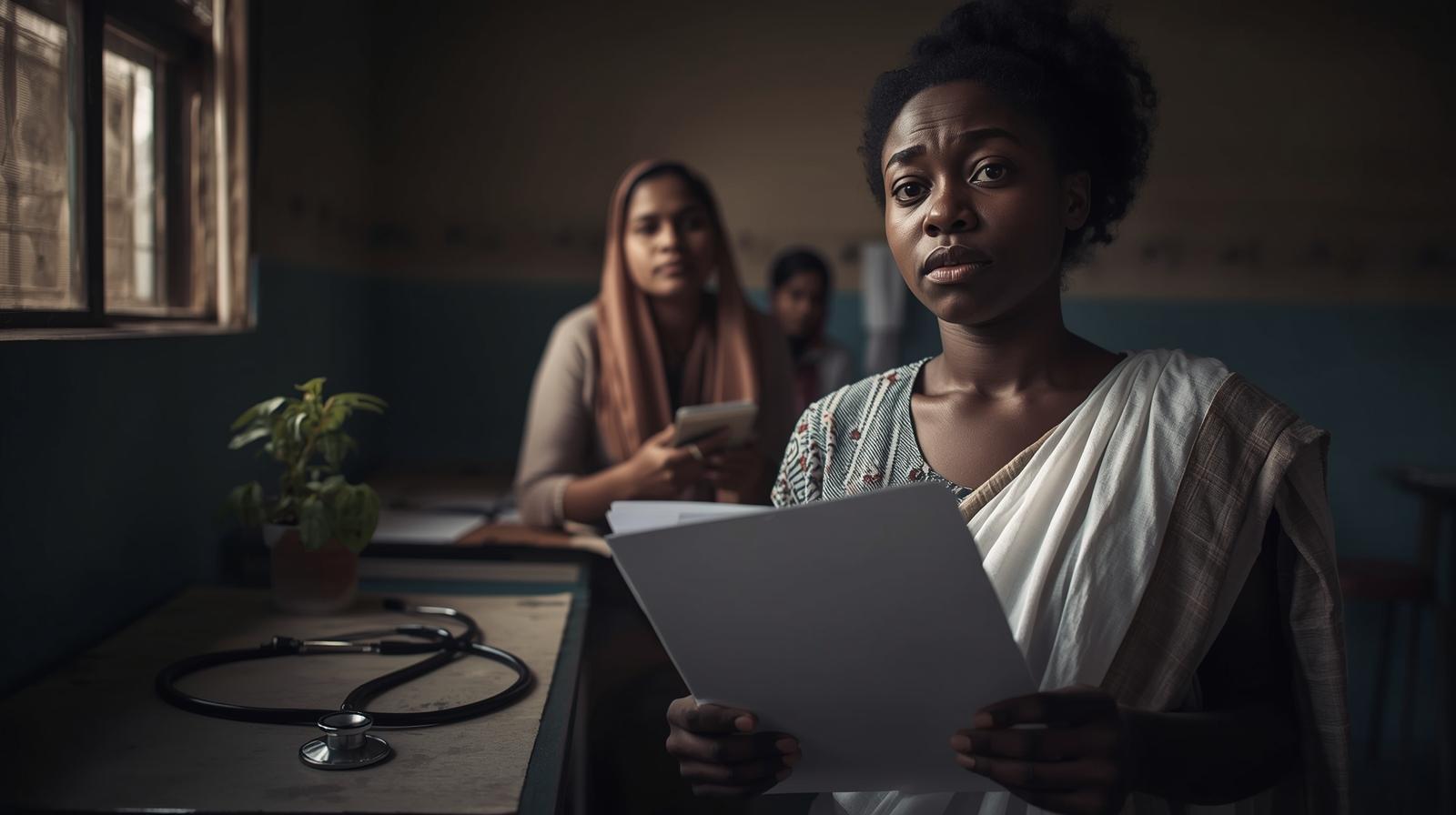


Abortion remains one of the most polarizing issues in global public health and policy. While debates often center on morality or legality, the lived consequences of abortion restrictions on women’s physical, mental, and socioeconomic well-being are profound and often overlooked. Restrictive laws do not eliminate abortions; instead, they drive them underground, placing women’s lives at greater risk.
From Safe to Unsafe: The Public Health Crisis
According to the World Health Organization (WHO), approximately 73% of abortions in Africa are unsafe, largely due to legal restrictions. In countries with highly restrictive abortion laws, including Nigeria, where abortion is only permitted to save the mother’s life, women often resort to clandestine, unregulated procedures performed by untrained providers or through self-induced methods.
These unsafe practices can lead to severe complications such as:
- Hemorrhage (life-threatening bleeding)
- Infection and sepsis
- Uterine perforation
- Infertility
- Death
In fact, unsafe abortion is a leading cause of maternal mortality in Nigeria, accounting for up to 40% of maternal deaths in some regions, per studies by the Guttmacher Institute and local health researchers.
Delayed Care and the “Chilling Effect”
Even in places where abortion is legally permitted under certain conditions, such as rape, fetal anomaly, or risk to the woman’s health, fear of legal repercussions, stigma, or unclear regulations often deters women and healthcare providers from acting. This “chilling effect” leads to dangerous delays.
A young woman in Lagos who became pregnant after sexual assault, for example, may wait weeks trying to navigate legal loopholes or gather “proof,” only to miss the window for a safe procedure. By the time she seeks help, her options are limited, and her health is already compromised.
Mental and Emotional Toll
The psychological impact of being denied a wanted abortion is significant. Research from the Turnaway Study, a landmark U.S.-based longitudinal project, found that women denied abortions were more likely to experience anxiety, lower self-esteem, and economic hardship compared to those who received them.
In Nigeria and similar contexts, where mental health support is scarce and stigma is high, these emotional burdens are compounded. Women may face rejection from families, loss of educational or job opportunities, or forced marriages, all stemming from an unplanned pregnancy they were unable to prevent or terminate safely.
Socioeconomic Consequences
Abortion restrictions disproportionately affect low-income women. Wealthier individuals can often access safe care through private clinics or travel abroad, while poorer women bear the brunt of restrictive policies.
Also Read Abortion: Facts, Choices, and the Conversation We All Need
This entrenches cycles of poverty: a woman forced to carry an unwanted pregnancy may drop out of school, lose her job, or struggle to care for existing children. The ripple effects impact entire families and communities.
A Path Forward: Compassion, Evidence, and Access
Public health experts agree: restricting abortion does not reduce its incidence; it only makes it more dangerous. The solution lies in:
- Decriminalizing abortion and clarifying legal exceptions
- Integrating comprehensive reproductive healthcare into primary services
- Expanding access to contraception and sex education
- Training healthcare providers in safe abortion and post-abortion care
- Reducing stigma through public awareness and community dialogue
Countries like Ethiopia and South Africa have shown that liberalizing abortion laws, coupled with strong health system support, lead to dramatic drops in maternal deaths and unsafe procedures.
Conclusion
Abortion is not just a political or moral issue; it is a matter of life, health, and human dignity. Understanding its real-world impact reveals a clear truth: when women are denied safe, legal abortion, they don’t stop seeking it. They simply pay a higher price in pain, in risk, and sometimes, in lives.
Policies must be guided not by ideology, but by evidence, empathy, and a commitment to protecting the health and autonomy of all women.