




Flesh-Eating Bacteria: Family’s Fight for Survival
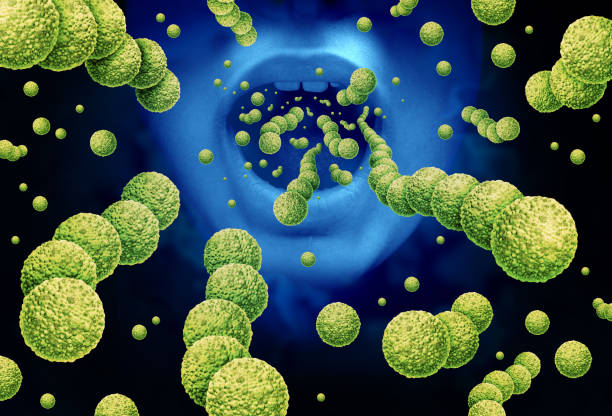
In the quiet town of Ibadan, a routine surgery turned into a nightmare that nearly cost a 43-year-old woman her life, all because of a microscopic invader known as a “flesh-eating bacteria.”
The term sounds like something out of a horror movie. Still, necrotizing fasciitis, the medical name for the infection caused by these bacteria, is terrifyingly real and increasingly common in Nigeria and around the world.
What Are Flesh-Eating Bacteria?
Flesh-eating bacteria are a group of microbes that can rapidly destroy skin, fat, and muscle tissue. The most common culprits include Streptococcus pyogenes, Vibrio vulnificus, and Clostridium perfringens. These infections can occur when bacteria enter the body through cuts, burns, or surgical wounds, and they can turn deadly within hours.
According to the Centers for Disease Control and Prevention (CDC), about 700–1,200 cases of necrotizing fasciitis are reported in the U.S. each year. In Nigeria, where underreporting is common, health experts believe the numbers are much higher.
A Race Against Time: The Story of Funke Adeyemi
Funke Adeyemi, a mother of three, went into the hospital for a minor abdominal procedure. Within 48 hours, she was fighting for her life.
“It started with a sharp pain around the incision site. Then my skin turned black. I couldn’t move. I was burning with fever,” she recalls.
Doctors diagnosed her with necrotizing fasciitis, and she was rushed into emergency surgery to remove the infected tissue. She spent three weeks in intensive care and months in rehabilitation.
“I lost 60% of the skin on my stomach. I had to relearn how to walk,” she says. “I didn’t know a simple infection could almost kill me.”
Early symptoms such as redness, swelling, and severe pain are often mistaken for less serious infections. But within hours, the condition can escalate to fever, shock, organ failure, and even death
Real Cases, Real Tragedies
In 2022, a 12-year-old boy in Rivers State developed a necrotizing infection after a minor leg injury. He lost both legs to amputation.
A 65-year-old man in Abuja died within 24 hours of being admitted to a hospital for what was initially thought to be a skin rash.
In Kano, a diabetic woman lost her arm after an infection from a small cut spiraled out of control.
These tragic outcomes highlight the urgency of early diagnosis and treatment.
Who Is at Risk?
While anyone can contract the infection, those with weakened immune systems, including diabetics, cancer patients, and individuals with chronic illnesses, are at higher risk.
Other risk factors include:
- Open wounds exposed to contaminated water
- Recent surgery or injection
- Use of non-sterile medical equipment
Prevention and Awareness: The First Line of Defense
The good news? Most cases can be prevented with proper hygiene and wound care.
Health experts advise
- Clean and cover all wounds, especially in tropical climates where bacteria thrive.
- Avoid swimming in brackish or polluted water if you have open cuts.
- Seek medical attention immediately if you experience severe pain, swelling, or skin changes after an injury.
Hope amid Horror
Despite the grim nature of the infection, many survivors, like Funke, are now advocates for awareness.
“I want people to know that this can happen to anyone. Don’t ignore a wound. Don’t wait for the pain to get worse,” she says.
Hospitals across Nigeria are now training staff to recognize early signs of necrotizing fasciitis and to act swiftly with surgical debridement and aggressive antibiotic therapy.
Flesh-eating bacteria may not make headlines every day, but they pose a real and growing threat to public health. As climate change and antibiotic resistance reshape the medical landscape, vigilance, education, and rapid response are more important than ever.
Because sometimes, the deadliest enemy isn’t something you can see, it’s something you can’t.
Do you have a story or experience with necrotizing fasciitis? Please share it with us. Together, we can raise awareness and save lives.