



The Gut-Brain Connection: How Your Microbiome Affects Mental Health
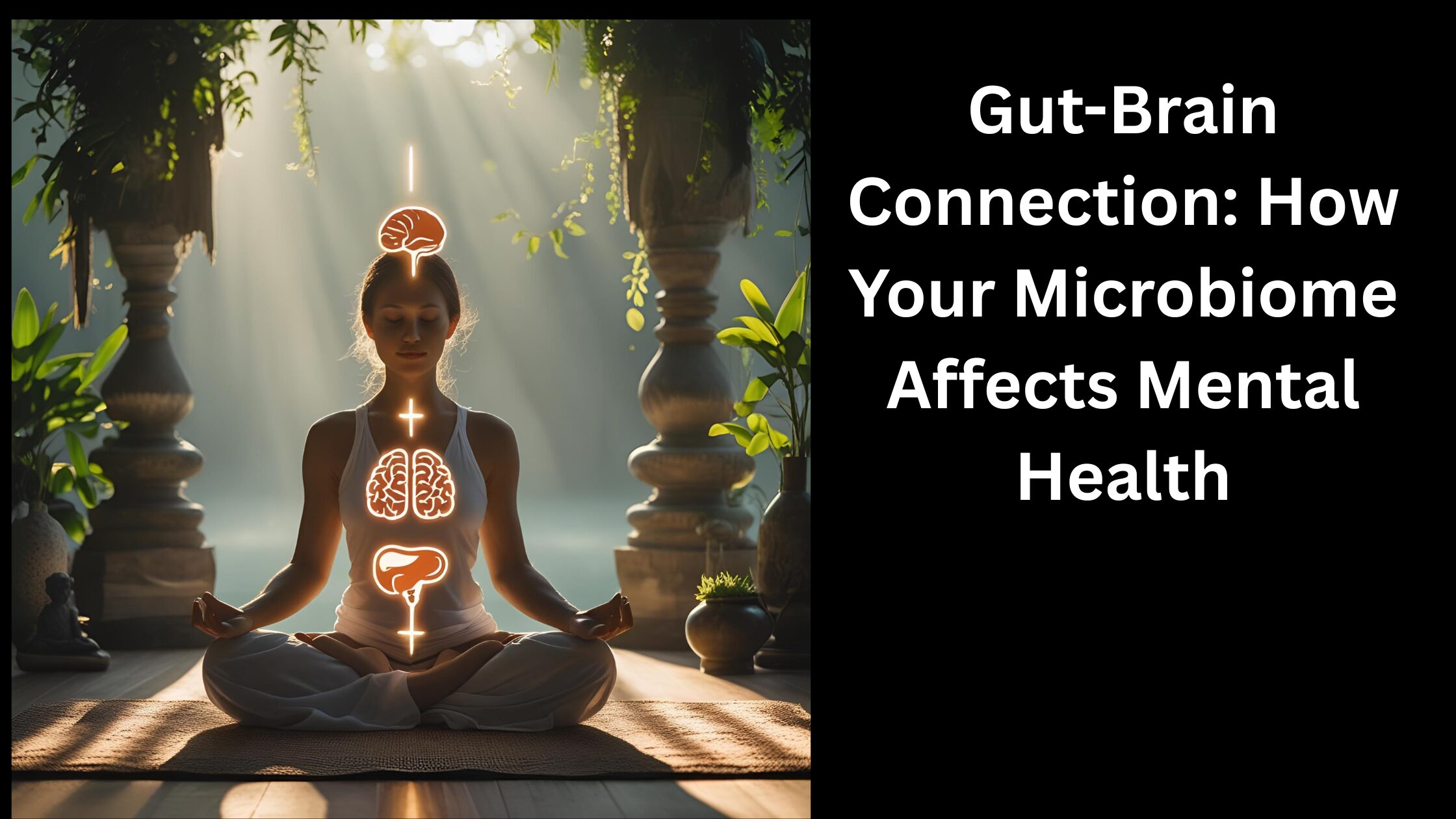
In recent years, science has uncovered a fascinating and powerful link between your gut and your brain, a connection so strong that it’s reshaping how we understand mental health. Welcome to the world of the gut-brain axis, where trillions of tiny microbes in your digestive system may be influencing your mood, anxiety, and even your risk for depression.
This blog post delves into the impact of your gut microbiome on mental health, examining the science behind the gut-brain connection, the role of gut bacteria, and practical steps you can take to support both your gut and your mind.
What Is the Gut-Brain Axis?
The gut-brain axis (GBA) is a complex, two-way communication network linking your gastrointestinal tract and your central nervous system. This connection involves nerves, hormones, immune signals, and most importantly, your gut microbiota.
Your gut microbiome refers to the trillions of bacteria, viruses, fungi, and other microorganisms that live in your intestines. These tiny organisms aren’t just passive residents; they actively produce neurotransmitters, regulate inflammation, and communicate with your brain via the vagus nerve and other pathways.
Research shows that an imbalance in your gut microbiome, known as dysbiosis, may contribute to mental health disorders like anxiety, depression, and even neurodegenerative conditions such as Alzheimer’s disease.
The Science Behind the Gut-Brain Connection
1. Neurotransmitter Production
Did you know that up to 90% of your body’s serotonin, the “feel-good” neurotransmitter, is produced in the gut? Certain beneficial bacteria, such as Lactobacillus and Bifidobacterium, help synthesize serotonin, dopamine, and GABA, all of which play key roles in regulating mood and stress.
2. The Vagus Nerve: A Direct Line to the Brain
The vagus nerve is the primary communication highway between your gut and brain. Signals from gut microbes travel up this nerve, influencing brain regions involved in emotion, memory, and decision-making. Studies show that stimulating the vagus nerve can improve symptoms of depression.
3. Inflammation and Immune Response
An unhealthy gut can trigger chronic low-grade inflammation, which has been linked to depression and anxiety. Harmful bacteria can damage the gut lining (a condition known as leaky gut), allowing toxins into the bloodstream and activating the immune system, a process that may negatively impact brain function.
4. Short-Chain Fatty Acids (SCFAs)
Beneficial gut bacteria ferment dietary fiber to produce short-chain fatty acids (SCFAs) like butyrate, propionate, and acetate. These compounds help maintain the blood-brain barrier, reduce inflammation, and support brain health.
What the Research Says
Numerous studies highlight the gut-brain connection:
- A 2019 study published in Nature Microbiology found that people with depression had lower levels of Faecalibacterium and Coprococcus, two types of anti-inflammatory gut bacteria.
- Clinical trials show that probiotics (especially multi-strain formulations) can reduce symptoms of anxiety and depression.
- Fecal microbiota transplants (FMT) from healthy donors to individuals with mood disorders have shown promising results in animal studies and early human trials.
While more research is needed, the evidence is clear: your gut health plays a crucial role in your mental well-being.
Signs Your Gut May Be Affecting Your Mental Health
You might not realize it, but your gut could be sending signals about your mental state. Watch for these signs:
- Frequent bloating, gas, or digestive issues
- Mood swings, anxiety, or persistent low mood
- Brain fog or difficulty concentrating
- Food cravings (especially sugar and processed carbs)
- Trouble sleeping
If you’re experiencing both digestive and mental health symptoms, your gut microbiome may be out of balance.
How to Improve Your Gut Health for Better Mental Health
The good news? You can support your gut-brain axis with simple lifestyle changes. Here’s how:
1. Eat a Diverse, Fiber-Rich Diet
Feed your good bacteria with prebiotic foods like:
- Garlic, onions, and leeks
- Bananas, apples, asparagus
- Whole grains, oats, and legumes
A diverse diet leads to a diverse microbiome, a key marker of gut health.
2. Include Probiotic-Rich Foods
- Yogurt (with live cultures)
- Kefir
- Sauerkraut
- Kimchi
- Miso and tempeh
3. Consider a High-Quality Probiotic Supplement
Look for supplements with strains like Lactobacillus rhamnosus, Bifidobacterium longum, and Lactobacillus helveticus, which have shown benefits for anxiety and depression in clinical studies.
4. Reduce Sugar and Processed Foods
Sugar feeds harmful bacteria and yeast, promoting dysbiosis. Cutting back on processed foods helps restore microbial balance.
5. Manage Stress
Chronic stress disrupts the gut microbiome and weakens the gut lining. Practice stress-reducing techniques like:
- Meditation and mindfulness
- Deep breathing
- Yoga or tai chi
- Regular physical activity
6. Get Enough Sleep
Poor sleep alters gut bacteria composition. Aim for 7–9 hours of quality sleep per night to support both gut and brain health.
7. Stay Hydrated and Exercise Regularly
Drinking plenty of water and engaging in moderate exercise (like walking or cycling) can enhance microbial diversity and improve gut motility.
The Future of Mental Health: Gut-Targeted Therapies
Scientists are now exploring psychobiotics, probiotics specifically designed to improve mental health. As our understanding of the microbiome grows, we may see microbiome-based treatments become a standard part of mental health care, complementing traditional therapies like medication and counseling.
The gut-brain connection is no longer just a theory; it’s a well-supported scientific reality. By nurturing your gut microbiome, you’re not just improving digestion; you’re investing in your mental resilience, emotional balance, and long-term brain health.
Start small: add more fiber, eat fermented foods, manage stress, and prioritize sleep. Over time, these habits can lead to profound changes, not just in your gut, but in how you feel every day.