



Overview of Solar Energy Installation And Sales
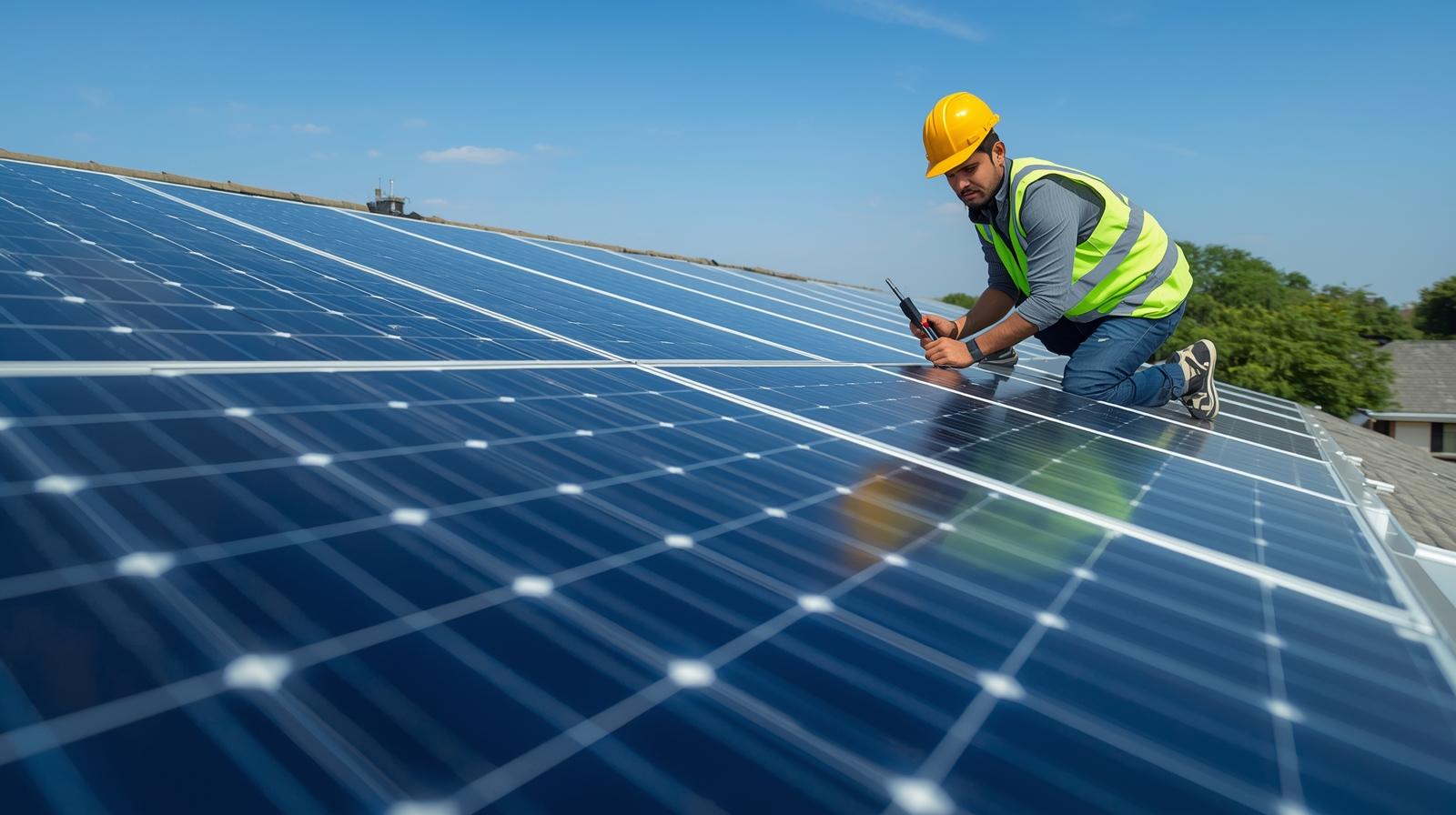
The global energy landscape is undergoing a seismic shift, and at the forefront of this revolution is solar photovoltaic (PV) technology. Once considered a niche alternative, solar energy has become a mainstream power source driven by plummeting costs, technological advancements, and urgent climate goals. This article explores the factual realities of the solar industry, from market economics to installation mechanics, presented in a comprehensive narrative format.
Market Growth and Economic Viability
The economics of solar energy have changed dramatically over the last decade, making it one of the most competitive energy sources globally. According to the International Renewable Energy Agency (IRENA), the cost of electricity from utility-scale solar PV fell by 82% between 2010 and 2019.
In many regions, building new solar capacity is now cheaper than operating existing coal plants. By the end of 2023, global renewable power capacity exceeded 4,400 gigawatts, with solar PV accounting for nearly 75% of all renewable capacity additions that year, according to the International Energy Agency.
Global investment in solar energy surpassed $380 billion in 2023, outpacing investment in oil production for the first time. For residential users, the average payback period for a solar system ranges from six to ten years, depending on local electricity rates and sunlight exposure. Given that panels last twenty-five to thirty years, this offers fifteen to twenty years of nearly free electricity after the break-even point.
The Technology: What Gets Installed?
Understanding the hardware is crucial for both sales professionals and consumers. A standard grid-tied solar system consists of three main components working in harmony. Solar panels, also known as modules, form the foundation of the system.
Most commercial monocrystalline panels operate at 19% to 22% efficiency, meaning they convert roughly one-fifth of the sunlight hitting them into usable electricity. Panels degrade over time at a rate of approximately 0.5% per year for high-quality units.
After twenty-five years, a panel is typically still producing at 80% to 87% of its original capacity. A standard residential panel measures roughly 1.7 meters by 1 meter and weighs about 18 to 20 kilograms.
Inverters serve as the critical bridge between solar generation and usable power. Solar panels produce direct current (DC), but homes and grids use alternating current (AC), and inverters handle this conversion. String inverters connect multiple panels in a series and are cost-effective, though if one panel is shaded, the whole string’s output drops.
Microinverters attach to each panel, optimizing performance per panel. They cost 15% to 20% more than string inverters but offer better monitoring and shade mitigation. Battery storage represents the third pillar of modern solar systems. Lithium-ion batteries, particularly LiFePO4 chemistry, are the current standard.
A typical home battery stores 13.5 kilowatt-hours of energy, enough to power essential loads such as lights, refrigerators, and Wi-Fi for twelve to twenty-four hours, depending on usage. Battery adoption is growing rapidly, with the global energy storage market projected to grow 30% annually through 2030.
The Installation Process: Facts and Timelines
The journey from signing a sales contract to flipping the switch is regulated and technical. Before installation begins, a structural engineer or certified installer must verify the roof’s load-bearing capacity. A standard solar array adds 12 to 15 kilograms per square meter to the roof load, making structural integrity a non-negotiable consideration.
Permitting represents another critical phase. In most jurisdictions, installations require electrical and building permits. This administrative phase can take two to eight weeks, often longer than the physical installation itself.
The physical mounting of hardware is remarkably efficient. A standard 6kW residential system can be installed by a crew of three to four professionals in one to three days. However, the process does not end there.
After installation, the system must pass inspection and receive permission to operate from the utility company. This final commissioning step can take an additional two to six weeks, depending on local utility workflows and inspection backlogs.
Sales Models and Financing Options
The solar industry has innovated various sales models to overcome high upfront costs and make adoption accessible. A cash purchase allows the homeowner to buy the system outright. This approach yields the highest long-term savings and qualifies for tax incentives where available.
Solar loans function similarly to home improvement loans. The homeowner owns the system and claims incentives but makes monthly loan payments, with interest rates typically ranging from 4% to 8%.
Power Purchase Agreements represent a third-party ownership model. In this arrangement, a developer owns the system on the homeowner’s roof, and the homeowner buys the electricity generated at a fixed rate, often lower than the utility rate.
This model requires no upfront cost but provides no ownership equity. Leasing operates similarly, with the homeowner paying a fixed monthly fee to rent the system. While accessible, savings under leasing arrangements are generally lower than those of ownership models.
Environmental Impact Facts
Solar energy serves as a critical tool in global decarbonization efforts. A typical 6kW residential solar system offsets approximately four to five metric tons of carbon dioxide annually. Over its twenty-five-year lifespan, this equals planting over three thousand trees or taking two cars off the road permanently.
Unlike thermal power plants such as coal, nuclear, or gas facilities, solar PV requires no water to generate electricity, preserving vital freshwater resources in water-stressed regions.
The concept of Energy Payback Time measures how long it takes for a panel to generate the amount of energy used to manufacture it. For modern silicon panels, the Energy Payback Time is one to two years. Since panels last twenty-five years or more, they produce net positive energy for ninety percent of their lifecycle, making them a profoundly sustainable investment.
Challenges and Considerations
Despite impressive growth, factual barriers remain. Intermittency represents the most fundamental challenge. Solar only generates power when the sun shines. Capacity factors for solar typically range from 15% to 25%, compared to 50% to 90% for nuclear or fossil fuel plants.
This variability necessitates battery storage or continued grid reliance to ensure reliability. Grid integration presents another technical hurdle. High penetration of solar can cause voltage fluctuations on the electrical grid. Utilities are investing in smart inverters and grid modernization to manage two-way power flow effectively.
Recycling infrastructure remains underdeveloped. As first-generation panels reach end-of-life, responsible disposal becomes critical. Currently, less than 10% of solar panels are recycled globally. However, new regulations in the European Union and emerging programs in the United States aim to recover ninety percent of materials, including glass, silver, and copper, by 2030.
The Future Outlook
Emerging technologies promise to further transform the solar landscape. Perovskite solar cells represent next-generation technology that could push efficiencies beyond 30% at a lower manufacturing cost than traditional silicon.
Bifacial panels capture sunlight from both sides of the module, increasing energy yield by 10% to 20% without requiring additional roof space. Virtual power plants leverage software to aggregate thousands of home solar batteries, enabling them to act as a single power plant that sells energy back to the grid during peak demand periods.
Conclusion
Solar energy installation and sales represent more than just a retail transaction; they constitute an investment in infrastructure, economics, and environmental stability. With costs down 89% since 2010 and efficiency rising steadily, the facts indicate that solar is no longer just an alternative—it is becoming the baseline for modern energy consumption.
For consumers, the key lies in understanding the specific metrics of their location, roof orientation, and financial goals to maximize the tangible benefits of this transformative technology. As the industry matures, continued innovation in storage, materials science, and grid integration will only strengthen solar’s position as a cornerstone of the global energy transition.