



Natural Remedies for Hot Flashes and Night Sweats
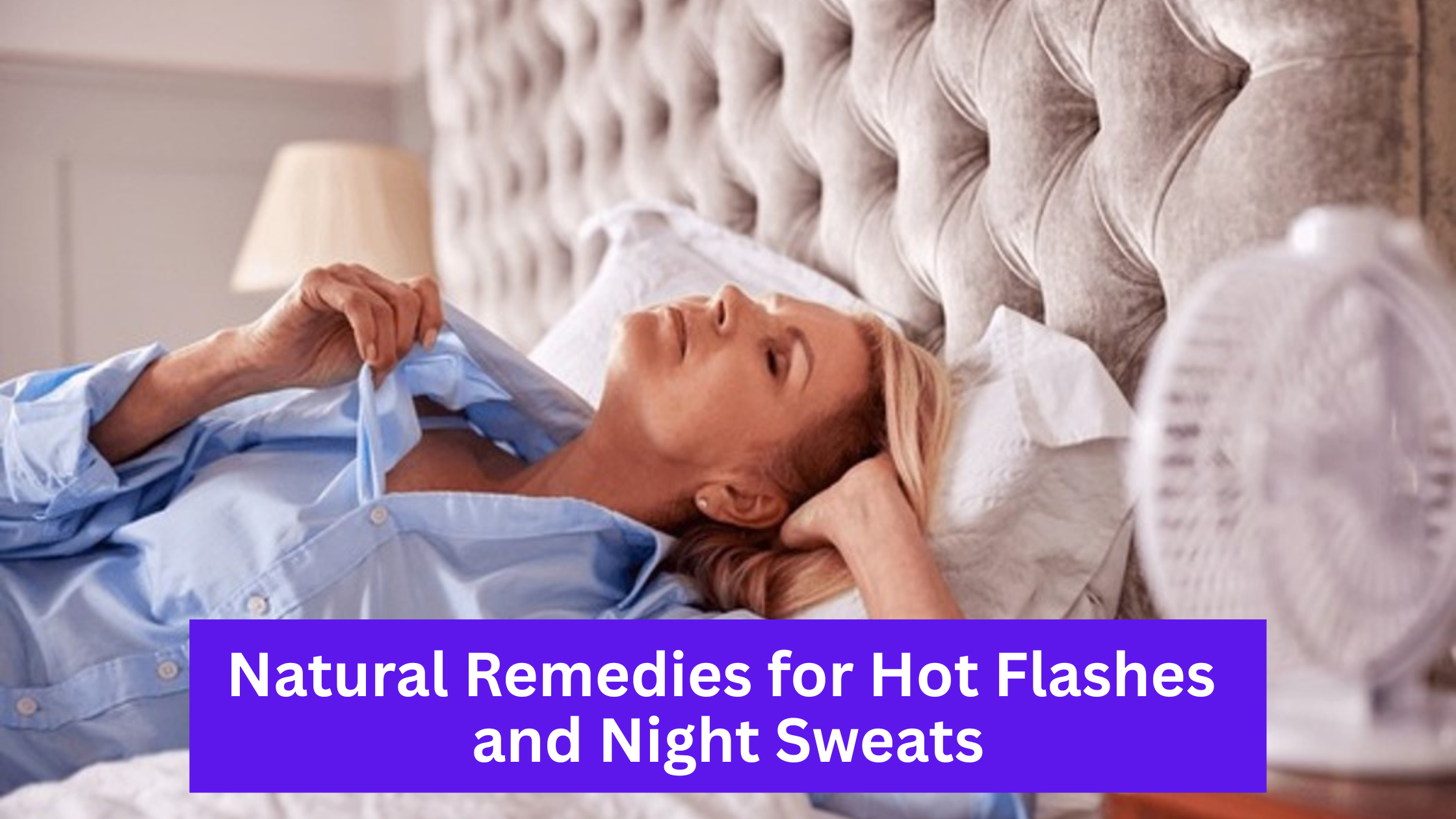
If you’re navigating menopause, chances are you’ve experienced the sudden wave of heat known as a hot flash, or woken up drenched in sweat in the middle of the night, a night sweat.
These symptoms are among the most common and uncomfortable signs of hormonal changes during menopause. While they’re not dangerous, they can disrupt your sleep, mood, and overall quality of life.
The good news is that you don’t have to rely solely on medication to find relief. There are natural, science-backed remedies that can help reduce the frequency and intensity of hot flashes and night sweats, without side effects.
In this article, we’ll explore effective herbal, dietary, lifestyle, and holistic strategies to manage these symptoms and help you feel more like yourself again.
What Causes Hot Flashes and Night Sweats?
Hot flashes and night sweats occur when estrogen levels drop, affecting the part of the brain that regulates body temperature — the hypothalamus.
When estrogen declines, even a slight increase in body temperature can trigger the body’s cooling mechanisms — dilation of blood vessels and sweating — leading to sudden feelings of intense heat, Reddening of the skin (flushing), Rapid heartbeat, Profuse sweating, and Chills afterward
While these symptoms are most commonly linked to menopause, they can also be caused by stress and anxiety, thyroid issues, certain medications, and cancer treatments
10 Natural Remedies for Hot Flashes and Night Sweats
1. Phytoestrogens – Nature’s Estrogen Boosters
Phytoestrogens are plant compounds that mimic the effects of estrogen in the body. They may help ease symptoms by binding to estrogen receptors.
Foods rich in phytoestrogens, soybeans and soy products (tofu, tempeh, edamame), flaxseeds (ground for better absorption), chickpeas and lentils, Sesame seeds and Hummus. Tip: Try adding a tablespoon of ground flaxseed to your morning smoothie or oatmeal.
2. Herbal Supplements That Work
Several herbs have shown promise in reducing hot flashes and night sweats. The includes:
- Black cohosh: One of the most studied herbs for menopausal symptoms.
- Red clover: It contains isoflavones that support hormone balance.
- Evening primrose oil: May help with breast pain and mild hot flashes.
- Dong quai: A traditional Chinese herb used for hormonal regulation.
Caution: Always consult with a healthcare provider before starting any herbal supplement, especially if you’re on medication or have a history of hormone-sensitive conditions.
3. Stay Cool with Lifestyle Adjustments
Simple environmental and behavioral changes can make a big difference
- Wear breathable clothing made from cotton or moisture-wicking fabrics
- Keep a handheld fan or cooling towel nearby
- Use chill pillows or cooling mattress pads at night
- Sleep in a cool, well-ventilated room
Quick hack: Freeze a washcloth and place it on your neck or wrists when a hot flash hits.
4. Mindfulness and Relaxation Techniques
Stress and anxiety can trigger or worsen hot flashes. Practicing relaxation techniques helps calm the nervous system and reduce the severity of symptoms. Try
- Deep breathing exercises (inhale for 4 counts, hold for 4, exhale for 6)
- Meditation apps like Headspace or Calm
- Guided imagery or visualization
- Yoga or tai chi sessions tailored for menopause
Note that these practices also improve sleep and emotional well-being
5. Eat Smart – Avoid Triggers
What you eat (and drink) can either soothe or fuel your symptoms. Avoid spicy foods, caffeine, alcohol, sugary snacks, and processed foods.
Embrace: Leafy greens (rich in magnesium and calcium), Whole grains (for steady energy and mood), Omega-3-rich foods (salmon, walnuts, chia seeds), Herbal teas (peppermint, chamomile, sage), and stay hydrated! Dehydration can mimic or intensify hot flashes
6. Get Moving – But Keep It Gentle
Regular physical activity helps regulate hormones, improve sleep, and reduce stress, all of which can help alleviate hot flashes. Best options are;
- Walking – Aim for 30 minutes daily
- Water aerobics – Eases joint discomfort
- Restorative yoga – Promotes deep relaxation
- Stretching or Pilates – Improves flexibility and circulation
Remember that even short bursts of movement throughout the day count!
7. Use Essential Oils for Instant Relief
Certain essential oils have calming properties that can help manage symptoms. Popular choices include;
- Lavender oil – Known for its relaxing effects
- Clary sage oil – Shown to reduce cortisol and balance hormones
- Peppermint oil – Cooling and refreshing
How to use: Apply diluted oils to wrists or temples, or diffuse in your bedroom at night.
8. Sleep Hygiene Matters
Since night sweats often disrupt sleep, improving your sleep hygiene can reduce their impact. Some tips to improve your sleep are;
- Go to bed and wake up at the same time every day
- Avoid screens an hour before bed
- Keep your room cool and dark
- Wear loose, breathable pajamas.
- Consider using moisture-wicking bedding or a cooling pad for extra comfort.
9. Practice Acupuncture or Acupressure
Acupuncture has been shown in studies to reduce the frequency and severity of hot flashes by stimulating nerve pathways that regulate body temperature.
Many women report improved sleep and reduced anxiety after regular sessions.
Note: Look for a licensed acupuncturist with experience in treating menopausal symptoms.
10. Talk to Your Doctor About Hormone Support
If natural methods aren’t enough, Hormone Replacement Therapy (HRT) might be an option. It’s important to weigh the benefits and risks with your doctor.
Also consider Bioidentical hormones, Low-dose antidepressants (in some cases). Remember, every woman’s journey is different; what works for one may not work for another.
In conclusion, managing hot flashes and night sweats doesn’t have to mean suffering in silence. With a few thoughtful changes to your diet, lifestyle, and mindset, you can significantly reduce or even eliminate these disruptive symptoms.
Menopause is a natural phase of life, not a disease. And while it comes with its challenges, it can also be a time of empowerment, self-care, and renewal.
DISCLAIMER: As an Amazon Associate, I may earn a small commission from qualifying purchases at no additional cost if you click on an affiliate link and make a purchase. These commissions help support the maintenance and growth of this website, allowing me to continue providing valuable content to my readers.
Please note that I only recommend products or services that I believe are helpful, relevant, and of value to my audience. My opinions are genuine, and all product recommendations are based on my research or personal experience. Thank you for being so supportive! Your trust means everything to me, and I truly appreciate your visits and purchases through these affiliate links.
Related Articles You Might Like
How to reduce stress among women at menopause
Ultimate guide to hormonal balance symptoms, causes, and solutions