



Naira Strengthens to ₦1,400/$ at Official Market
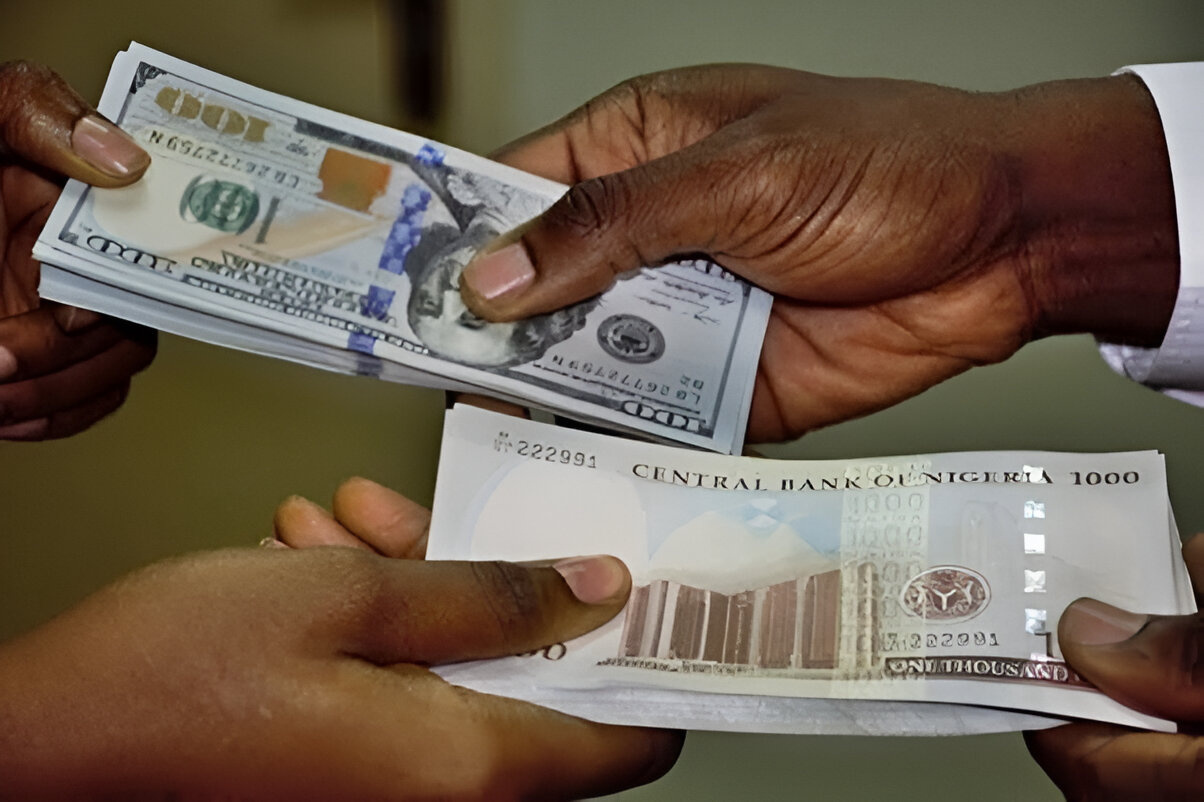
The Nigerian naira appreciated to approximately ₦1,400 per US dollar at the official Nigerian Foreign Exchange Market (NFEM) on Tuesday, marking its strongest performance since the Central Bank’s forex unification policy reshaped the currency landscape in 2023.
The appreciation represents a notable shift from the ₦1,435.75 closing rate recorded on December 31, 2025, and reflects a sustained strengthening trend through January’s trading sessions.
On Monday, January 27, the naira opened at ₦1,413.12 before settling around ₦1,412.00; by Tuesday morning, it had advanced further to ₦1,400.66 at the official window.
Analysts attribute the naira’s recent gains to multiple converging factors:
- Weakening global dollar: The US Dollar Index declined in January 2026, easing pressure on emerging market currencies globally.
- Improved forex inflows: Despite a 20.67% weekly drop in NFEM inflows to $593.7 million in early January, cumulative inflows have supported liquidity.
- Oil revenue uptick: Nigeria’s crude exports benefited from Bonny Light trading above budget benchmarks, bolstering dollar supply to the CBN.
- Monetary discipline: The CBN’s sustained sale of dollars to authorized dealers has helped stabilize the official window, even as parallel market rates remain weaker at approximately ₦1,485/$.
Economists urge cautious optimism. “Appreciation to ₦1,400 is welcome relief for import-dependent businesses and inflation-weary households,” says Dr. Yemi Akinbamijo, monetary policy analyst.
“But structural vulnerabilities, oil dependency, fiscal deficits, and external debt pressures remain unresolved. Sustained strength requires more than forex mechanics.”
For ordinary Nigerians, the stronger naira offers modest hope amid persistent cost-of-living pressures. Imported goods may see marginal price corrections if marketers pass on forex savings. Yet with inflation still elevated and wage growth stagnant, currency appreciation alone won’t reverse years of purchasing power erosion.
As Nigeria navigates its third year under a fully deregulated forex regime, January’s rally provides breathing room, but whether this marks a turning point or reprieve hinges on deeper economic reforms beyond exchange rate management.