




Is Ozempic Really Safe for Weight Loss? What Doctors Aren’t Telling You (2025 Update)
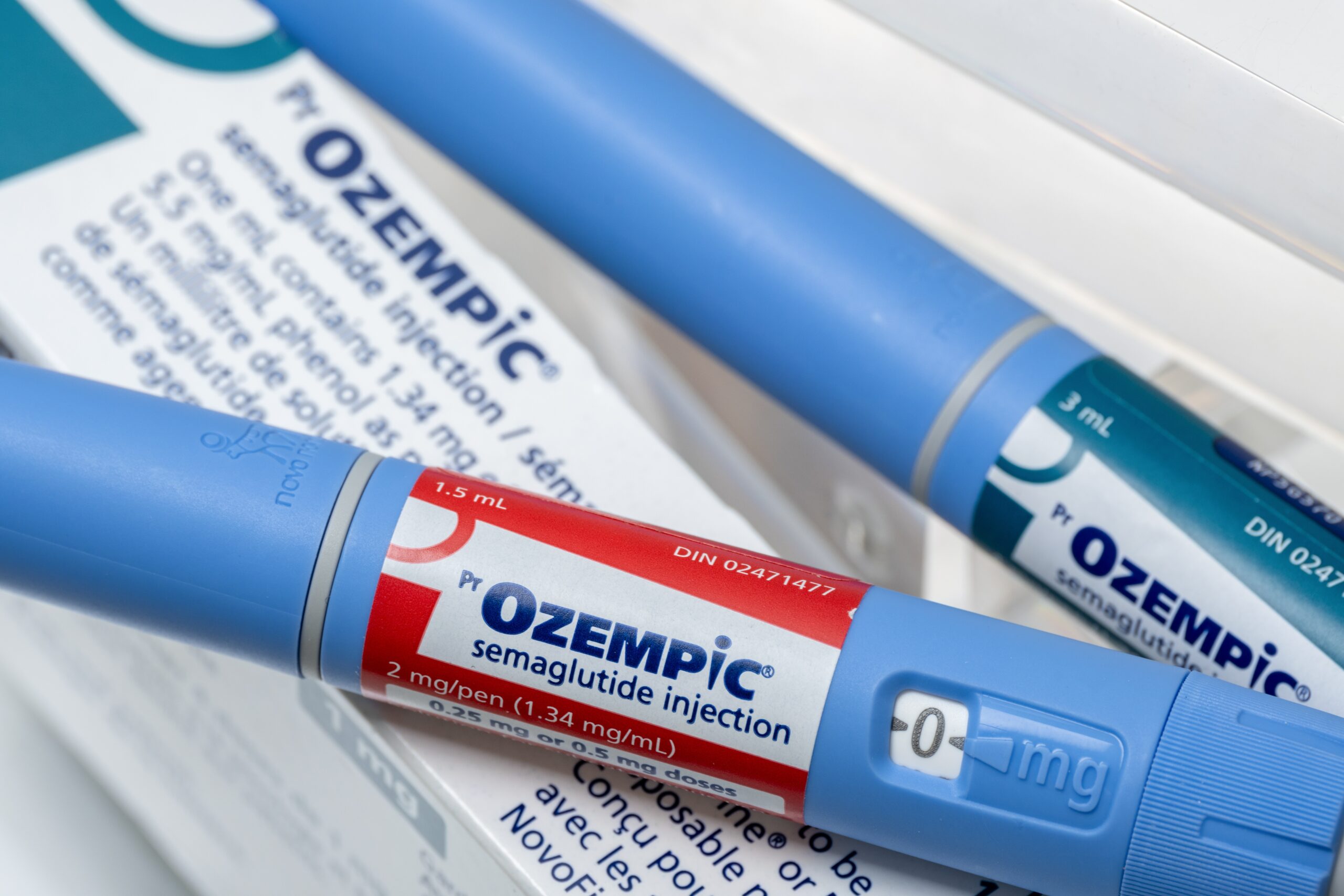
You’ve probably seen the headlines. Celebrities are “Ozempic thin.” Friends are losing 30, 40, even 50 pounds “without changing much.” And your social feed is flooded with before-and-after photos.
But behind the buzz, a growing number of doctors are sounding the alarm: Ozempic was never meant for weight loss — and using it that way comes with serious risks.
So what’s really going on? Let’s cut through the hype with facts, not fear.
What Is Ozempic — Really?
Ozempic (generic name: semaglutide) is a prescription medication approved by the U.S. FDA in 2017, but only for adults with type 2 diabetes. It helps control blood sugar by mimicking a hormone called GLP-1, which slows digestion and reduces appetite.
The weight loss? That was a side effect, not the main goal.
Later, a higher-dose version called Wegovy (also semaglutide) was approved specifically for obesity in 2021 due to massive demand, shortages hit, and many doctors started prescribing Ozempic off-label for weight loss instead.
That’s where things got complicated.
The Hidden Risks No One Talks About
While Ozempic can lead to dramatic weight loss, it’s not without dangers, especially when used long-term by people who don’t have diabetes.
Here’s what recent studies and real-world reports show (as of 2025):
- “Ozempic Face” – Rapid fat loss can cause facial volume loss, leading to sagging skin, hollow cheeks, and premature aging. Plastic surgeons report a surge in requests for dermal fillers from users of Ozempic.
- Gallbladder problems – The FDA has issued warnings about the increased risk of gallstones and pancreatitis.
- Muscle loss – Without enough protein and strength training, Ozempic can cause your body to burn muscle, not just fat. That slows metabolism long-term.
- Rebound weight gain – Stop the drug? According to NIH data, the vast majority of people who lose weight, particularly those with obesity, regain most of it within a year or two. Studies show that many people in the National Weight Control Registry failed to maintain weight loss after one year, with some data indicating that over half of the lost weight is regained within two years and over 80% within five years. Some gain back more.
- Mental health effects – Some users report increased anxiety, depression, or suicidal thoughts. While rare, the European Medicines Agency (EMA) investigated potential links between GLP-1 receptor agonists and suicidal thoughts in 2023 and 2024, but final analysis in April 2024 found no evidence of a causal association.
And perhaps most concerning: Ozempic is still in short supply, meaning people with life-threatening diabetes are struggling to get their medication because of cosmetic demand.
The American Medical Association (AMA) now recommends lifestyle changes first: diet, movement, sleep, and stress management before considering GLP-1 drugs.
And the World Health Organization (WHO) warns that global overuse could lead to long-term public health consequences we have yet to understand.
So… Is There a Safer Path?
If you’re struggling with weight, you’re not alone, and you deserve support. But sustainable change rarely comes from a single injection.
Many people are now turning to evidence-backed, lower-risk strategies that work with their body, not against it:
- Balanced blood sugar support (with fiber, protein, and key nutrients like magnesium and chromium)
- Strength training to preserve muscle while losing fat
- Sleep and stress management (cortisol drives belly fat)
- Working with a registered dietitian or obesity specialist
And yes, for some, GLP-1 drugs are the right tool. They’re most effective when used as part of a comprehensive plan, not as a standalone solution.
Ozempic isn’t “bad.” But it’s not a shortcut, either.
Real health isn’t about looking like a filtered photo. It’s about feeling strong, energized, and in control without risking your long-term well-being.
Ozempic and Wegovy can be powerful tools, but they’re best guided by a weight-management doctor, not a one-click telehealth script.