




How to Reduce Stress Among Women at Menopause
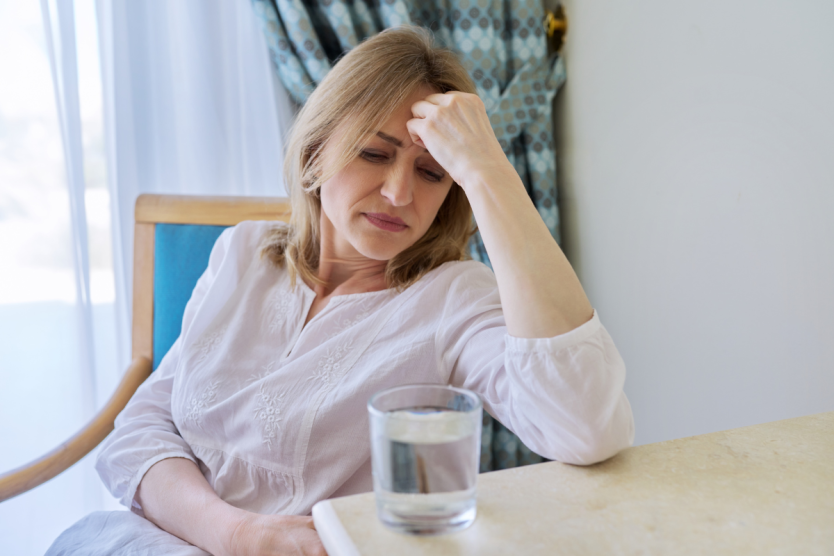
Menopause is a natural biological transition marking the end of a woman’s reproductive years, but it can also bring a wave of emotional and physical changes. From hot flashes and sleep disturbances to mood swings and anxiety, stress often becomes a constant companion during this phase.
The good news is that with the right strategies, women can significantly reduce stress during menopause and enjoy a smoother, more balanced journey through this life stage.
In this article, we explore practical, science-backed methods to manage stress during menopause, enhance emotional well-being, and promote long-term health.
Understanding Stress During Menopause
Stress during menopause is not just psychological; it’s deeply tied to hormonal shifts, especially the decline in estrogen, which plays a role in regulating mood and brain function.
Common causes of stress during menopause include:
- Common causes of stress during menopause include:
- Hormonal fluctuations
- Physical symptoms (hot flashes, night sweats)
- Sleep disruption
- Life transitions (empty nest, aging parents, career changes)
- Anxiety about aging or health
Left unmanaged, chronic stress can worsen menopausal symptoms and increase the risk of conditions like heart disease, osteoporosis, and depression.
10 Effective Ways to Reduce Stress During Menopause
1. Practice Mindfulness and Meditation
Mindfulness-based practices such as meditation, deep breathing, and guided visualization have been shown to lower cortisol levels (the stress hormone) and improve emotional resilience.
Try:
- 10 minutes of deep breathing daily
- Apps like Headspace, Calm, or Insight Timer
- Mindful walking or mindful eating
Tip: Incorporate mindfulness into everyday routines, like focusing fully on your breath while brushing your teeth or savoring each bite of food.
2. Stay Active with Gentle Exercise
Regular physical activity boosts endorphins (natural mood lifters), improves sleep, and reduces anxiety.
Recommended activities:
- Walking – 30 minutes a day
- Yoga – Especially restorative or gentle yoga
- Swimming or water aerobics
- Tai Chi – Combines movement with meditation
Bonus: Exercise also helps manage weight gain and supports bone health — two common concerns during menopause.
3. Adopt a Hormone-Friendly Diet
Nutrition plays a key role in managing both physical and emotional symptoms of menopause.
Include:
Phytoestrogen-rich foods: Flaxseeds, soybeans, lentils
Omega-3s: Salmon, walnuts, chia seeds
Magnesium-rich foods: Leafy greens, bananas, almonds
Complex carbs: Brown rice, quinoa, oats
Avoid:
Excess caffeine and alcohol
Refined sugars
Highly processed foods
Pro Tip: Stay hydrated! Dehydration can mimic or exacerbate symptoms such as fatigue and headaches.
4. Get Quality Sleep
Poor sleep due to night sweats or anxiety can fuel stress and irritability.
Tips for better sleep:
- Keep a consistent bedtime routine
- Avoid screens an hour before bed
- Try cooling bedding for hot flashes
- Limit fluid intake before bedtime to avoid waking up to urinate
Consider:
Herbal teas (chamomile, valerian root)
Melatonin supplements (consult a doctor)
5. Build a Support Network
Talking about what you’re going through can be incredibly therapeutic. Whether it’s with friends, family, or a support group, connection helps combat isolation and normalize the experience.
Join:
Local or online menopause support groups
Therapy or counseling sessions
Book clubs or community events
Remember: You’re not alone — millions of women are navigating the same path.
6. Explore Holistic Therapies
Some women find relief through complementary therapies that address both body and mind.
Options include:
Acupuncture – May reduce hot flashes and improve sleep
Massage therapy – Reduces muscle tension and promotes relaxation
Aromatherapy – Lavender and clary sage oils may ease anxiety
Always consult a licensed practitioner if trying new treatments.
7. Use Adaptogens for Natural Hormone Balance
Adaptogenic herbs help the body adapt to stress and restore balance.
Popular options:
Ashwagandha – Reduces anxiety and supports energy
Rhodiola Rosea – Helps with fatigue and mental clarity
Maca Root – Balances hormones and boosts libido
Note: Always check with your healthcare provider before starting any supplement, especially if you have existing health conditions or are on medication.
8. Set Boundaries and Prioritize Self-Care
Learning to say “no” and carving out time for yourself is essential during this transitional period.
Ideas:
Schedule weekly “me-time”
Set realistic expectations at work and home
Practice gratitude journaling
Self-care isn’t selfish — it’s necessary for maintaining your emotional and physical health.
9. Seek Professional Help When Needed
If stress feels overwhelming or persistent, seeking professional help is a sign of strength, not weakness.
Therapy options:
Cognitive Behavioral Therapy (CBT)
Hormone Replacement Therapy (HRT) – For severe symptoms (with medical supervision)
Talk to your doctor if you experience:
- Persistent sadness or hopelessness
- Difficulty concentrating
- Severe mood swings
10. Stay Informed and Empowered
Knowledge is power. Understanding what’s happening in your body can reduce fear and uncertainty.
Resources:
Books like “The Wisdom of Menopause” by Christiane Northrup
Trusted websites (Mayo Clinic, WebMD, ACOG)
Workshops or seminars on menopause and wellness
Menopause doesn’t have to be a stressful ordeal. By embracing lifestyle changes, building strong support systems, and prioritizing self-care, women can navigate this transition with grace and confidence.
Share Your Experience: Have you found effective ways to manage stress during menopause? We’d love to hear from you! Share your tips in the comments below or join the conversation using #MenopauseJourney.
ALSO READ: Ultimate Guide to Hormonal Balance, symptoms, causes, and solutions
DISCLAIMER: As an Amazon Associate, I may earn a small commission from qualifying purchases at no additional cost if you click on an affiliate link and make a purchase. These commissions help support the maintenance and growth of this website, allowing me to continue providing valuable content to my readers. Please note that I only recommend products or services that I believe are helpful, relevant, and of value to my audience. My opinions are genuine, and all product recommendations are based on my research or personal experience. Thank you for being so supportive! Your trust means everything to me, and I truly appreciate your visits and purchases through these affiliate links.