




GMOs: What They Are, Common GMO Foods, and Health Implications
What Are GMOs? A Clear Definition
GMO stands for Genetically Modified Organism. These are living organisms, most commonly plants, animals, or microorganisms whose genetic material (DNA) has been altered using genetic engineering techniques.
Unlike traditional breeding methods, which rely on natural processes such as cross-pollination, genetic modification enables scientists to insert specific genes from one organism into another, even across unrelated species.
For example, a gene from a bacterium that produces a natural pesticide can be inserted into a corn plant, making the corn resistant to certain pests. This process is known as recombinant DNA technology and is the foundation of modern GMO development.
The primary goals of creating GMOs include:
- Increasing crop yields
- Enhancing resistance to pests and diseases
- Improving tolerance to herbicides
- Boosting nutritional content
- Extending shelf life
Common Types of Genetically Modified Foods
While GMOs exist in various forms, the vast majority of commercial GMOs are crops used in agriculture and food production. Here are the most common genetically modified foods you may encounter:
1. Soybeans
Over 90% of soybeans grown in the U.S. are genetically modified. Used in soy oil, soy protein, tofu, and many processed foods.
2. Corn (Maize)
Most U.S. corn is GMO, engineered for herbicide tolerance or insect resistance. Found in corn syrup, cornstarch, cereals, and animal feed.
3. Canola
Modified for herbicide resistance. Canola oil is widely used in cooking and processed foods.
4. Cotton
Cottonseed oil comes from GMO cotton plants. Often found in packaged snacks and fried foods.
5. Sugar Beets
Over 95% of sugar beets in the U.S. are genetically modified. Used to produce granulated sugar and syrups.
6. Papaya
The Rainbow papaya, grown mainly in Hawaii, was genetically modified to resist the papaya ringspot virus.
7. Alfalfa
Modified for herbicide tolerance. Used primarily as animal feed.
8. Potatoes (Certain Varieties)
Some GMO potatoes are engineered to resist bruising and reduce acrylamide (a potential carcinogen) when fried.
9. Apples (Arctic Apples)
Genetically modified to resist browning when sliced.
10. Salmon (AquAdvantage Salmon)
The first genetically modified animal approved for human consumption. Engineered to grow faster than non-GMO salmon.
Note: In the U.S., the National Bioengineered Food Disclosure Standard (enacted in 2016) requires food manufacturers to label products containing GMOs. Look for the “Bioengineered” label or QR code on packaging.
Health Effects of Consuming GMO Foods: What Does the Science Say?
One of the most debated aspects of GMOs is their impact on human health. Let’s explore what major health and scientific organizations have concluded.
1. Safety Consensus Among Major Organizations
Numerous reputable scientific and health organizations have reviewed the evidence and concluded that GMO foods currently on the market are safe to eat. These include:
- World Health Organization (WHO)
- U.S. Food and Drug Administration (FDA)
- American Medical Association (AMA)
- National Academy of Sciences (NAS)
- European Food Safety Authority (EFSA)
These organizations state that GMOs are no more risky than their non-GMO counterparts, based on over 20 years of research and consumption.
2. Allergenicity and Toxins
One concern is whether GMOs introduce new allergens or toxins. However, rigorous testing is required before any GMO is approved. Scientists analyze the inserted protein for allergenic potential and conduct animal feeding studies.
To date, no confirmed cases of allergic reactions have been linked to approved GMO foods.
3. Nutritional Content
Most GMO crops are nutritionally similar to their non-GMO versions. However, some are engineered to improve nutrition:
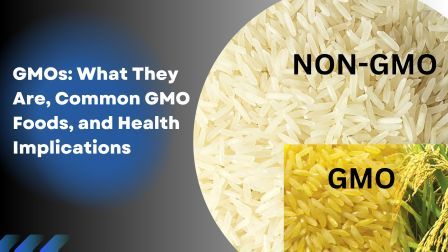
Golden Rice: Genetically modified to produce beta-carotene (a precursor to vitamin A), aiming to combat vitamin A deficiency in developing countries.
4. Antibiotic Resistance and Gene Transfer
Early GMOs utilized antibiotic resistance genes as markers, raising concerns about the potential transfer of these genes to gut bacteria. However, modern techniques have phased out this practice, and the risk is considered extremely low.
5. Long-Term Studies
While long-term human studies are limited, animal studies spanning multiple generations have shown no adverse health effects from consuming approved GMOs. Ongoing monitoring continues as part of global food safety protocols.
Debunking Common GMO Myths
| Myth | Fact |
| GMOs cause cancer | No credible evidence links GMO consumption to cancer. The American Cancer Society confirms GMO foods are safe. |
| GMOs are unnatural | While genetic engineering is a modern technique, humans have been modifying crops for thousands of years through selective breeding. |
| All GMOs contain animal genes | Most GMOs involve plant or bacterial genes. The “fish tomato” (a never-commercialized experiment) is a commonly cited but outdated example. |
| GMOs increase pesticide use | Some GMOs reduce pesticide use (e.g., Bt crops), while herbicide-tolerant crops may increase herbicide use. The impact varies by crop and region. |
Are GMOs Labeled? Know Your Rights
In the U.S., the Bioengineered (BE) Food Disclosure Law requires clear labeling of GMO-containing foods. Look for:
- The “Bioengineered” symbol
- Text stating “Contains a bioengineered food ingredient”
- A QR code linking to more information
In the European Union, GMO labeling is mandatory and strictly enforced. Many countries, including Australia and Japan, also require labeling.
The Environmental and Economic Impact of GMOs
While this article focuses on health, it’s worth noting that GMOs also impact:
Farmers: Reduced crop loss, lower pesticide costs
Environment: Mixed effects, some genetically modified organisms reduce chemical use, while others contribute to herbicide-resistant weeds
Global Food Security: GMOs help increase food production in drought-prone or pest-heavy regions
Are GMO Foods Safe?
Based on current scientific consensus, yes, GMO foods approved for consumption are safe. They undergo rigorous testing and regulation. While ongoing research is essential, decades of data support their safety for human health.
Consumers who prefer to avoid GMOs can choose organic or Non-GMO Project Verified products. However, for most people, GMO foods are a safe, affordable, and increasingly common part of the modern diet.
READ ALSO: 9 BENEFITS OF WATERMELON SEEDS WILL SURPRISE YOU
Frequently Asked Questions (FAQs)
GMO stands for Genetically Modified Organism.
Not all, but many contain GMO ingredients like corn syrup or soy lecithin.
No. Eating GMO food does not alter your DNA. Digestion breaks down DNA from all foods.
Yes. Certified organic products cannot contain GMOs in the U.S. and EU.
Choose organic, look for Non-GMO Project labels, or buy whole, unprocessed foods.
References
- World Health Organization – https://www.who.int
- U.S. FDA – https://www.fda.gov
- National Academies of Sciences, Engineering, and Medicine – 2016 Report on GMOs
- Non-GMO Project – https://www.nongmoproject.org
- USDA Bioengineered Food Disclosure Standard – https://www.ams.usda.gov