




Food as Medicine: Doctors Recommend for Blood Pressure, Diabetes & Immunity
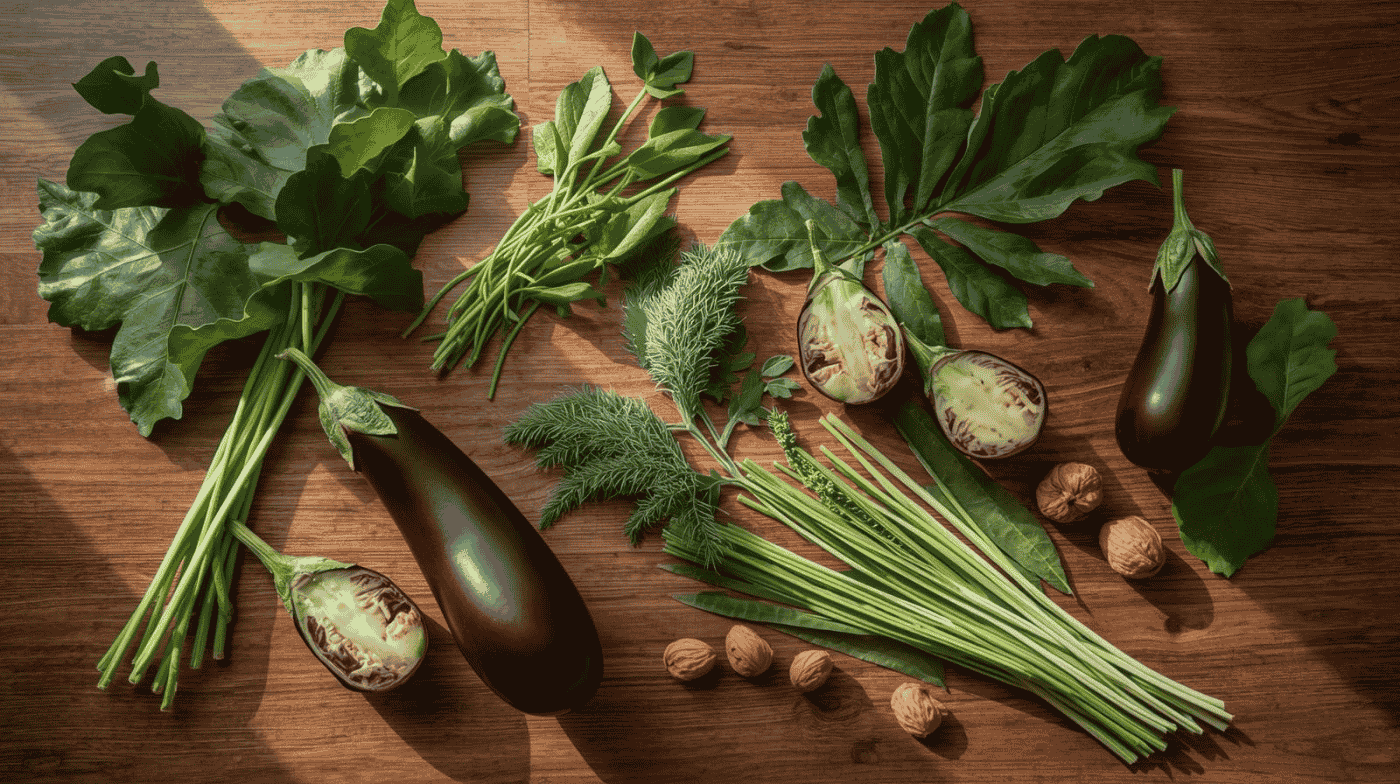
In clinics across Nigeria, a quiet revolution is unfolding. Beyond prescriptions and lab tests, physicians are increasingly writing a different kind of order: “Eat more of this.” As chronic diseases strain our healthcare system, Nigerian doctors are turning to Africa’s culinary heritage, not as folklore, but as evidence-based nutritional therapy.
The Science Behind the Pot
A doctor from Lagos State University Teaching Hospital explains the shift: “We’re not abandoning pharmaceuticals. But when a patient diagnosed with hypertension eats processed foods daily while ignoring our nutrient-rich, natural foods, we’re fighting with one hand tied. Food isn’t a replacement for medicine—it’s foundational medicine.”
Here’s what Nigerian physicians are actually recommending and why the science backs them up.
For Blood Pressure: Potassium Powerhouses
Hypertension affects nearly 30% of Nigerian adults. Doctors now emphasize potassium-rich indigenous foods to counter sodium’s effects.
- Ugwu (Fluted Pumpkin): One cup provides 290 mg potassium plus magnesium—both critical for vascular relaxation.
- Garden Eggs (African Eggplant): Rich in nasunin (an anthocyanin antioxidant) and fiber.
- Moringa Leaves: Contains quercetin and chlorogenic acid, compounds shown in clinical trials to support endothelial function.
For Diabetes Management: Low Glycemic Warriors
With diabetes prevalence rising to 6.5% nationally, endocrinologists focus on foods that stabilize blood glucose:
- Bitter Leaf (Vernonia amygdalina): Its sesquiterpene lactones may improve insulin sensitivity. Scientific evidence showed type 2 diabetic patients who consumed bitter leaf soup three times weekly had significantly better postprandial glucose control when paired with medication adherence.
- Tiger Nuts (Ofio): Despite the name, these tubers are rich in resistant starch and arginine. They trigger minimal glucose spikes while promoting satiety. Nutritionists recommend homemade tiger nut milk (unsweetened) as a breakfast alternative to sugary cereals.
- African Walnut (Asala): High in monounsaturated fats and magnesium—nutrients linked to improved insulin response. Two to three nuts daily provide metabolic benefits without caloric excess.”
For Immunity: The Antioxidant Arsenal
Post-pandemic, immune resilience remains a priority. Immunologists highlight:
- Scent Leaf (Nchanwu): Contains eugenol and rosmarinic acid with documented antimicrobial properties. Used fresh in soups or as tea, it’s become a staple recommendation during flu season.
- Pumpkin Seeds (Igbo Egusi): Zinc powerhouses—critical for T-cell function. Just 30g daily meets 20% of adult zinc requirements. Roast lightly without salt for maximum benefit.
- Hibiscus (Zobo): Anthocyanins in dried hibiscus support immune cell activity. But caution: consume unsweetened. Sugar negates zobo’s benefits.
Conclusion
Doctors stress these foods work within a holistic approach: medication adherence, portion control, physical activity, and stress management. No single food “cures” chronic disease, but consistent dietary patterns shift outcomes.
Your grandmother’s soup pot held wisdom. Now science explains why. But wisdom without action changes nothing. Eat the ugwu. Skip the extra salt. Walk after meals. That’s where healing begins.”
Disclaimer: Consult your physician before making dietary changes, especially if managing chronic conditions or taking medications.